


How to Live, Work, and Explore Puerto Rico in 2026
I’ve spent years turning great ideas into thriving businesses. Now I’m applying that precision to one of the Caribbean’s best-kept secrets: Puerto Rico. Whether you crave a vibrant lifestyle, a low‑tax business climate, or a growing film hub, this guide offers practical steps and real insights ready for action.
1. Choosing Your Puerto Rico Base – Lifestyle Meets Opportunity
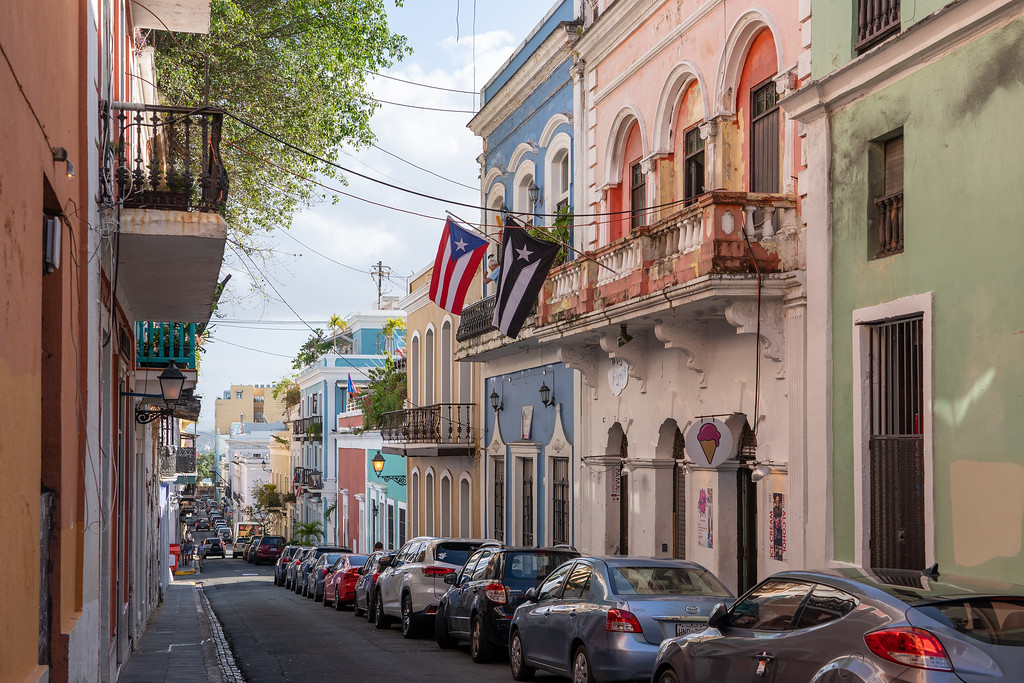
The island presents distinct living options: the energetic streets of San Juan, serene mountain towns like Cayey, and laid‑back beach communities on the east coast. When deciding where to settle, balance lifestyle preferences with business potential.
Key Factors to Consider:
- Urban vs. Rural: San Juan offers nightlife, tech hubs, and international schools; Cayey provides cooler weather, lower living costs, and a tight‑knit creative community.
- Market Proximity: For e‑commerce or logistics, closeness to the Port of San Juan is advantageous. Puerto Rico’s position between the U.S. East Coast and Latin America gives it strategic trade benefits.
- Community & Culture: Look for towns with active galleries, community centers, or weekly street markets showcasing local artists.
- Safety & Infrastructure: Verify crime data and internet reliability; plan generators for rural areas during hurricane season.
- Cost of Living: Rent in San Juan can be 30–40% higher than in Cayey or Ponce. Local markets often offer fresher produce at lower prices.
Once you’ve narrowed options, visit each place to experience the vibe firsthand—walking down a street lined with local artisans tells more than any brochure.
2. Travel Essentials – Flights, Lodging, and Getting Around
Getting to Puerto Rico is straightforward: major U.S. cities fly directly into Luis Muñoz Marín International Airport (SJU). From there, reliable ground transport is essential for daily life.
Travel Checklist:
- Flights: Book early and consider midweek departures; JetBlue and American offer frequent nonstop routes from New York, Miami, and Atlanta.
- Airport Transfer: Use rideshare or pre‑arranged shuttles; negotiate flat rates to avoid taxi surcharges. Some hotels provide complimentary pickups if booked in advance.
- Lodging: For short stays, Airbnb offers local neighborhoods; for long term, negotiate lease terms directly with landlords to skip broker fees. Many offer “move‑in” discounts during the off‑season (April–June).
- Local Transport: Public bus system (Metro) is affordable but limited outside San Juan. Renting a car provides flexibility—especially for inland towns like Cayey. Verify insurance coverage for Puerto Rico.
- Mobile Connectivity: Local SIMs are inexpensive; choose nationwide plans from Claro, AT&T, or Movistar with 5G support where available.
- Insurance: Confirm U.S. health plans cover Puerto Rico; local insurers offer competitive comprehensive packages when bundling medical and travel protection.
- Currency & Payments: The U.S. dollar is official, so no exchange hassles. Keep a small amount of coins for markets or taxis.
- Customs Rules: Puerto Rico follows U.S. customs; bring up to $800 duty‑free per person and respect alcohol/tobacco limits.
- Packing Tips: Lightweight fabrics, reef sandals, a wide‑brim hat, sunscreen, and mosquito repellent are essential. Pack layers for cooler mountain evenings.
Building relationships with local vendors—like the grocery shop in Cayey’s plaza—can save time and money compared to chain stores.
3. Business Landscape – Sectors & Incentives That Matter
Puerto Rico hosts a growing ecosystem for tech, renewable energy, tourism, and film production. Its U.S. territory status offers unique tax advantages that lower operating costs.
Top Sectors to Explore:
- Technology & SaaS: Remote work hubs are expanding; the government funds coworking spaces and grants for incubators. The “Puerto Rico Innovation Fund” provides seed capital for tech ventures that create local jobs.
- Renewable Energy: Solar and wind projects receive grants; local utilities offer favorable feed‑in tariffs, especially in the western region.
- Tourism & Hospitality: Boutique hotels, eco‑lodges, and experiential tours are in high demand. The “Eco‑Tourism Act” encourages sustainable development with tax credits for green certifications.
- Film & Media Production: Diverse landscapes attract international shoots. Production companies can apply for the 30% tax credit under Act 60, covering qualified labor, equipment rental, and location fees.
- E‑commerce Fulfilment: Puerto Rico’s strategic location enables fast shipping between the U.S. east coast and Latin America; logistics hubs are expanding with modern warehousing.
In my experience, successful startups pair local talent with international investors, leveraging tax incentives while maintaining a global outlook. A San Juan‑based SaaS company reduced its tax burden by 25% through Act 60 and attracted Silicon Valley venture capital.
4. Cayey – The Hidden Gem for Lifestyle and Business
Cayey sits at 1,500 feet above sea level, offering cooler temperatures and lush coffee plantations. It’s an emerging hub for entrepreneurs who prefer a quieter setting without sacrificing connectivity.
Why Cayey Works:
- Low Cost of Living: Rent is roughly 20% cheaper than in San Juan; utilities benefit from proximity to hydroelectric plants.
- Tax Credits: Residents qualify for Act 60, reducing income taxes on qualifying earnings. Small businesses can apply for the “Small Business Tax Credit” when creating at least five local jobs.
- Community Support: Local chambers host networking events and resources, including a monthly “Entrepreneur’s Corner” where startups present to mentors.
- Proximity to San Juan: A two‑hour drive provides easy access to major markets and the airport. The highway offers scenic stops such as the Los Corales waterfall.
- Natural Attractions: Hiking trails, waterfalls, and coffee farms enhance quality of life. The “Cayey Coffee & Tech” meetup blends business discussions with tours of local roasteries.
- Education: Community colleges offer courses in business, tech, and hospitality, feeding a skilled workforce.
- Coworking Spaces: “La Hacienda” and “Cayey Hub” provide high‑speed internet and meeting rooms; they host hackathons and design sprints that attract regional talent.
The sense of community is palpable. Residents often collaborate on local projects—like the annual “Cayey Coffee & Tech” meetup—that blend commerce with culture, preserving natural beauty while nurturing new businesses.
5. Puerto Rico Film Industry – From Tax Credits to Festivals
Puerto Rico’s film industry has grown rapidly, drawing productions from Hollywood to indie filmmakers. The island offers competitive tax credits and diverse shooting locations.
Film‑Friendly Highlights:
- Tax Credit Program (Act 60): Productions receive up to 30% in refundable credits on qualified expenses such as crew salaries, equipment rental, and location fees.
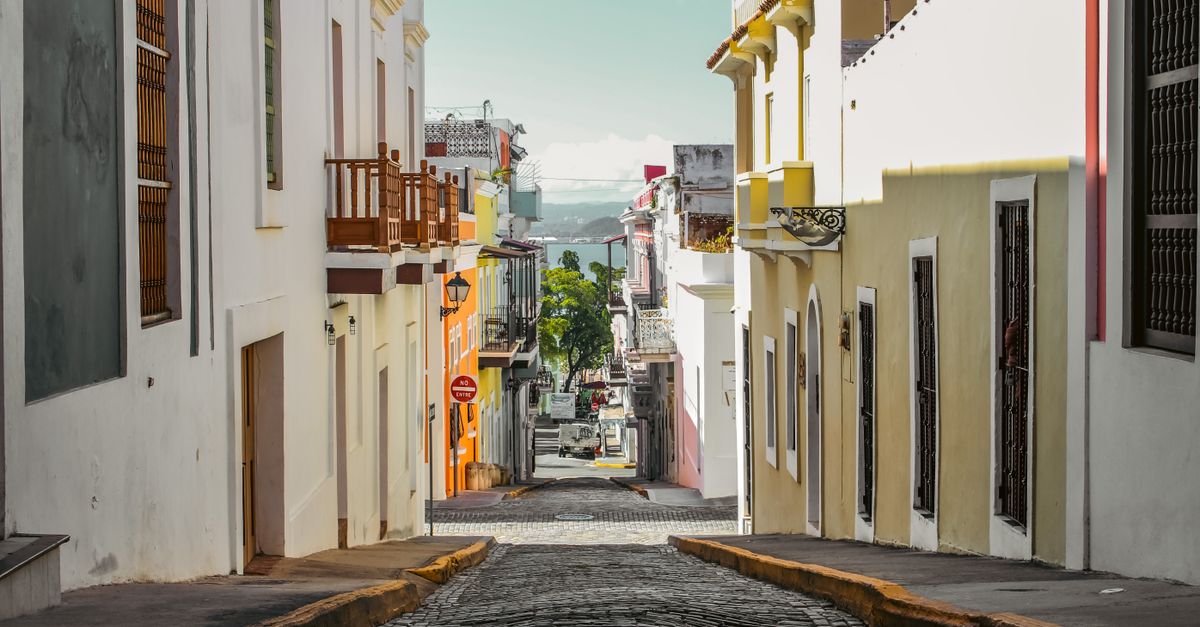
- Location Diversity: Beaches, urban streets, and lush forests provide backdrops that can double for many global settings—think “The Lost City” filming in San Juan’s colonial district.
- Local Talent Pool: Skilled crew members, actors, and post‑production studios are readily available. Film schools produce talent in cinematography, sound design, and editing.
- Infrastructure: State‑of‑the‑art sound stages and editing suites in San Juan support high‑end production; the “Luis Muñoz Marín Studios” have hosted major projects like the recent “Island Adventures” series.
- Festivals & Networks: The Puerto Rico Film Festival (PRFF) showcases local work and connects creators with distributors. PRFF’s “New Voices” program offers workshops on funding, script development, and distribution strategies.
- Government Support: The Governor’s International Development Office facilitates permits and logistics through a one‑stop application portal, coordinating approvals across municipalities.
- Community Engagement: Filming crews partner with local schools for educational outreach, giving students hands‑on experience and strengthening the island’s creative pipeline.
The blend of tax incentives, natural beauty, and community support makes Puerto Rico attractive to filmmakers seeking cost reduction while gaining creative freedom. A recent documentary filmed entirely on the island over eight weeks benefited from a 28% tax credit.
Puerto Rico offers a balanced mix of lifestyle, business incentives, and creative opportunities for entrepreneurs who know where to focus.What’s the biggest challenge you’ve encountered when relocating or starting a business in a new region?