

How to Navigate Puerto Rico Destinations as an Expat, Including Mosquito Bay Vieques
Moving to Puerto Rico is a decision that blends opportunity with practical challenges. As someone who has built systems from the ground up and spent time living abroad, I’ve walked through the exact steps an expat must take—from visa paperwork to finding a neighborhood that feels like home. This guide focuses on key destinations: Mosquito Bay in Vieques, the cultural hub of Santurce, and the vibrant street food scene that defines Puerto Rico’s culinary identity.
Why Puerto Rico Appeals to Expats
Puerto Rico offers a mix of U.S. citizenship benefits and tropical living that is hard to find elsewhere. For expats, the island presents:
Top Reasons for Expats Choosing Puerto Rico
- U.S. visa flexibility—no need for separate work visas.
- Tax incentives under Act 60 (formerly Acts 20 & 22).
- English and Spanish bilingual environment.
- Stable infrastructure with high‑speed internet.
- Proximity to mainland U.S. markets.
- Rich cultural heritage and outdoor lifestyle.
- Established expat communities providing support networks.
- A growing tech and creative industry attracting remote workers.
These advantages translate into lower relocation friction compared to other Latin American destinations, allowing newcomers to settle faster and focus on building their new life.
Step‑by‑Step Relocation Checklist for Expats
Before packing, you need a clear roadmap. The following steps will keep the move organized:
Essential Pre‑Move Tasks
- Verify U.S. passport and ensure it’s valid for at least six months.
- Apply for an Individual Taxpayer Identification Number (ITIN) if you don’t have a Social Security number.
- Research Act 60 benefits; consult a tax professional familiar with Puerto Rico.
- Secure temporary housing—a short‑term lease or Airbnb gives flexibility while you search for permanent options.
- Create a budget that includes utilities, internet, and local transportation.
- Arrange pet relocation if you’re bringing dogs—check import regulations and vaccination records.
- Schedule a health check for all family members; obtain medical records in PDF form to streamline future visits to local clinics.
- Set up an emergency fund covering at least 3–6 months of living expenses.
Each item is designed to reduce surprises once you arrive. In my experience, the ITIN application took longer than anticipated because I didn’t submit the required supporting documents upfront.
On Arrival: Immediate Priorities
- Register with the local municipality for residency documentation.
- Open a Puerto Rico bank account—many banks offer free international wire transfers.
- Enroll children in public schools or explore private institutions with bilingual programs.
- Purchase a SIM card; local carriers provide robust coverage across most islands.
Exploring Mosquito Bay Vieques: A Night‑time Spectacle
Mosquito Bay is renowned for its bioluminescent glow. Planning a visit requires timing and respect for the ecosystem.
When to Go
- Mid‑April to mid‑October—peak bioluminescence period.
- Check moon phases; new moons offer darker waters, enhancing visibility.
- Avoid heavy rain days that can dilute the glow and reduce safety on water.
Transport is a key consideration: ferries from Fajardo run hourly, but private charters are available for groups. Once on Vieques, the best approach is to book a guided night tour that includes local conservation education.
Top 5 Activities in Mosquito Bay
- Night kayaking with a certified guide—allows you to paddle silently and experience the glow up close.
- Stand‑up paddleboarding—provides a stable platform for observing bioluminescent organisms from above.
- Eco‑tour explaining bioluminescent organisms—the tour typically lasts 90 minutes and covers scientific background.
- Photography workshops focused on low-light techniques—ideal for photographers wanting to capture the phenomenon.
- Guided night walks on the nearby beach to observe local wildlife such as crabs, starfish, and nocturnal insects.
Environmental Stewardship Tips
To preserve Mosquito Bay’s delicate ecosystem:
- Use biodegradable soap if you need to clean up after a kayak session.
- Avoid touching the water; bioluminescent organisms are fragile and can be harmed by direct contact.
- Keep noise levels low—loud music or shouting can disturb marine life.
Santurce, Puerto Rico: The Cultural and Culinary Hub
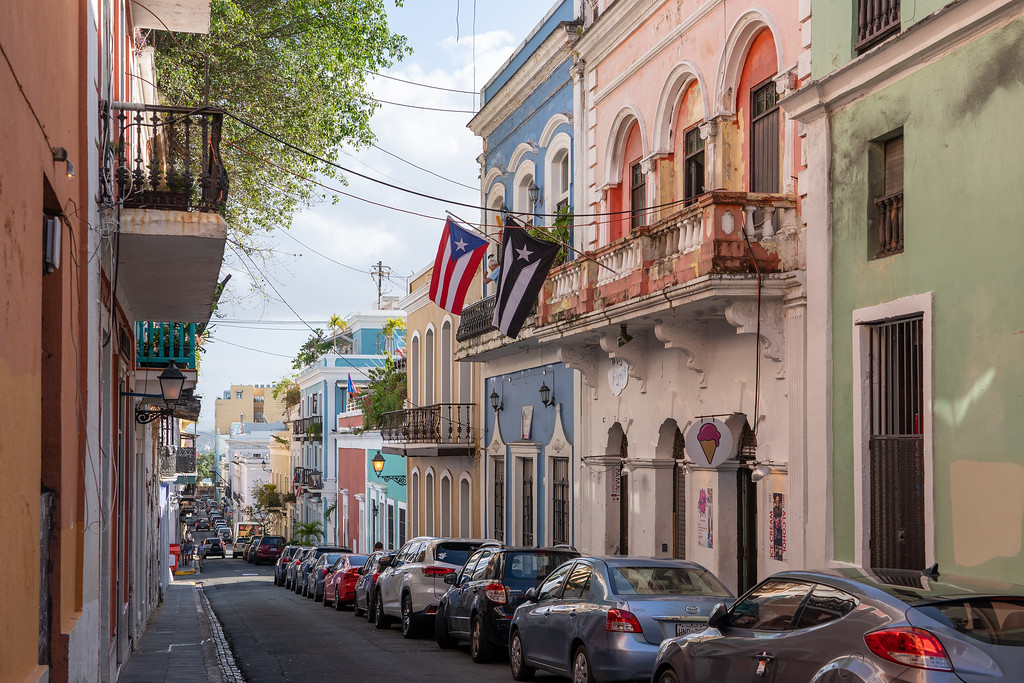
Santurce is more than a neighborhood—it’s the beating heart of San Juan. Its streets are lined with art galleries, indie shops, and food trucks that offer a taste of local life.
Neighborhood Highlights
- La Placita de Santurce: Night market with live music; vendors sell handmade jewelry, fresh fruits, and local spirits.
- Calle Loíza: Street art murals by famous Puerto Rican artists, vegan cafés, boutique stores, and a weekly farmers’ market.
- Museo de Arte de Puerto Rico: Contemporary works by local artists; free admission on the first Sunday of each month.
- El Yunque Trailheads (near Santurce): Easy access to rainforest hikes that offer waterfalls and diverse flora.
- Café del Mar: Sunset cocktails with ocean views—great spot for networking during business lunches.
- Bodega La Fábrica: Specialty craft beer shop offering tours of the brewing process.
- La Casa de la Pera: Historic home turned cultural center hosting workshops and community events.
The area’s walkability means you can reach most spots within a 15‑minute stroll, saving on transportation costs. In my experience, visiting Calle Loíza in the early evening revealed an unexpected street musician that became a local favorite for photos.
Nightlife and Safety
The nightlife is vibrant but can vary in safety depending on the time of night. Stick to well‑lit streets, stay within crowds, and use reputable ride‑share services after midnight if you’re unfamiliar with the area.
Puerto Rico Street Food: A Practical Guide
Street food is where Puerto Rican flavors come alive. Below are ten must‑try dishes and where to find them, ensuring you get authentic taste without the tourist trap.
Top 10 Street Foods and Their Locations
- Mofongo: Fried plantains mashed with garlic—found at La Mallorquina.
- Alcapurrias: Deep‑fried fritters of yuca or cassava—grab one from a food truck on Calle Loíza.
- Tostones con camarones: Twice‑fried plantains with shrimp—available at Bacalao Street Eats.
- Pupusas al Mojo de Cebolla: Corn tortillas stuffed with cheese and herbs—served in Santurce.
- Ceviche Fresco: Fresh fish marinated in lime—at El Secreto del Mar.
- Tostado con Queso: Fried corn tortilla topped with queso fresco—found near La Placita.
- Mojitos y Arepas: Cuban‑style rum drink paired with corn cakes—popular at Café Caribeño.
- Empanadas de Queso: Cheese turnovers—sold by vendors on Calle San Sebastián.
- Pionono: Sweet rolled pastry with coconut filling—available from street stalls in Old San Juan.
- Sancocho: Hearty broth of pork, plantains, and root vegetables—served at roadside stands during festivals.
These options keep costs low while offering a culinary tour across the island. In 2026, the price range for a complete meal from street vendors averages $8–$12 per person. To maximize value, try to sample a variety of dishes over a few days rather than ordering the same item repeatedly.
Vendor Etiquette
It’s customary to tip 10% if you receive good service or when buying from a stall with a small kitchen. Always ask for the portion size before ordering; some vendors serve generous portions that can fill two people.
Cost of Living: Expats vs. Local Wages
Understanding financial expectations is crucial. Here’s a quick snapshot:
Typical Monthly Expenses for an Expat Family (USD)
- Rent (3‑bedroom apartment): $1,800–$2,500.
- Utilities (electricity, water, internet): $200–$300.
- Groceries: $600–$900.
- Transportation: $150–$250 (includes ferry passes).
- Health insurance: $400–$800.
Local wages for similar roles average 30% lower, so expats often find the cost of living manageable with a modest adjustment in salary expectations. In my experience, the internet speed in Santurce was unexpectedly high—measuring at 120 Mbps during peak hours.
Tax Considerations
Act 60 provides significant tax credits for new residents; however, careful filing is essential. Many expats underestimate the complexity of reporting foreign income and must coordinate with a CPA who specializes in Puerto Rican tax law to avoid penalties.
Common Mistakes Expats Make in Puerto Rico
Avoiding pitfalls saves time and money:
Top 5 Errors to Avoid
- Underestimating tax obligations—Act 60 requires careful filing.
- Ignoring local utility regulations—many apartments have shared water systems, so check water bills before signing a lease.
- Choosing neighborhoods solely based on price—safety and access differ widely; consider proximity to hospitals and schools.
- Relying only on English speakers—Spanish proficiency opens more opportunities in both professional and social settings.
- Forgetting pet import rules—documentation must be submitted months ahead, including microchip registration and health certificates.
Practical Prevention Tips
- Create a checklist of documents required for each step and keep digital copies.
- Join online expat groups on Facebook or Reddit to gather real-time advice from locals.
- Schedule a local tour of potential neighborhoods with a resident guide before signing leases.
- Invest in a basic Spanish phrasebook; even simple greetings can build goodwill.
What specific challenges have you faced or anticipate facing while relocating to Puerto Rico?