
How to Plan a Complete Puerto Rico Vacation Including Mosquito Bay and El Yunque

I designed this family trip to Puerto Rico in 2026 with one goal: hit the must‑see natural wonders—Mosquito Bay on Vieques and El Yunque National Forest—while keeping logistics simple and costs reasonable. This guide turns that experience into clear steps for anyone planning a similar adventure.
1. Why Puerto Rico Islands Are Worth Visiting
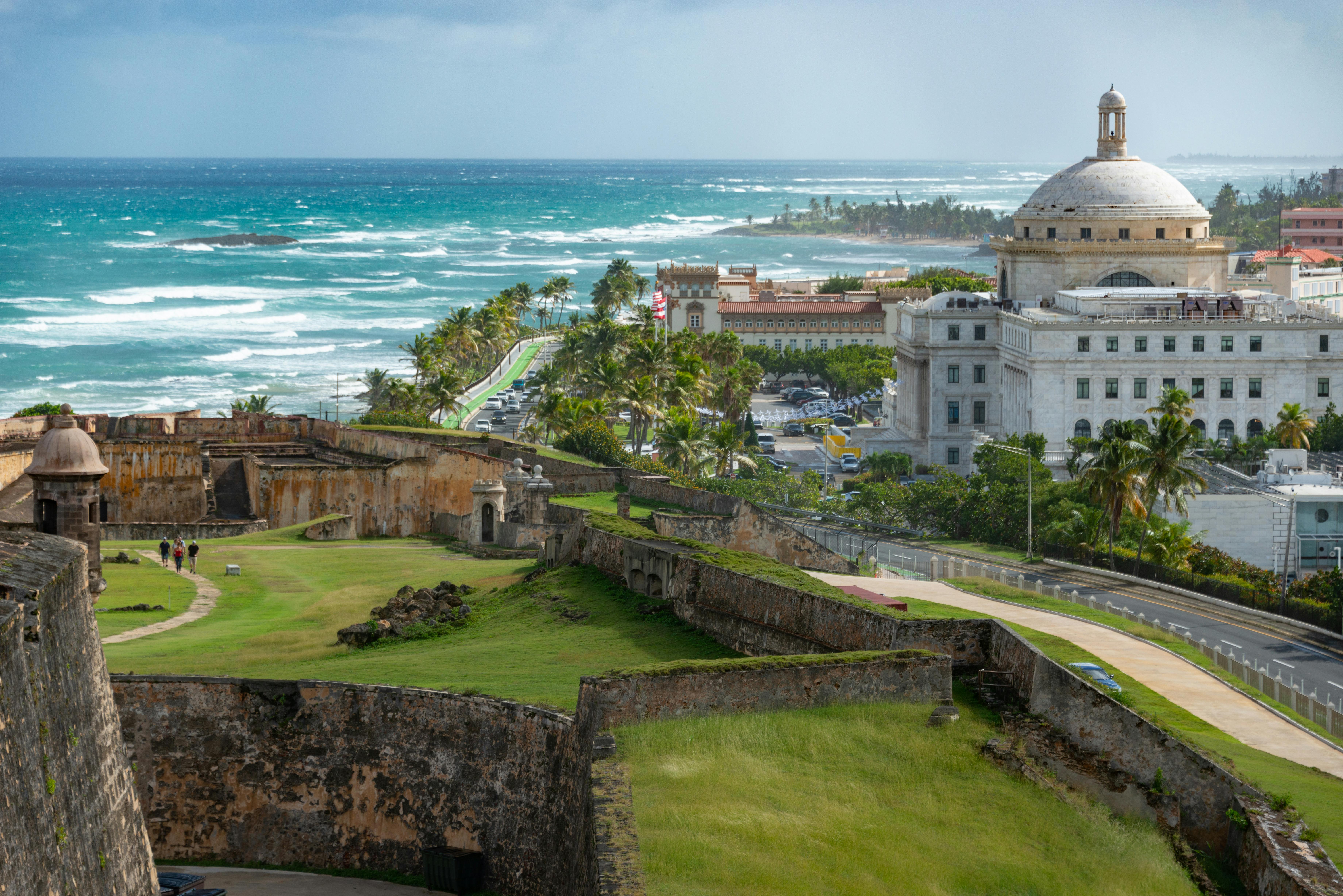
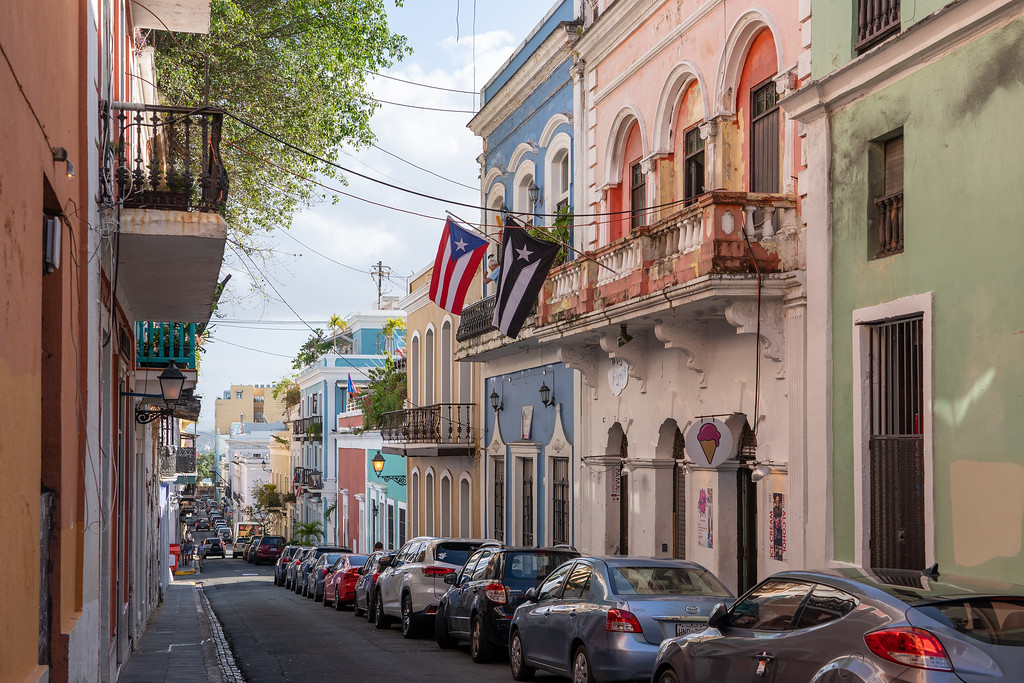
Púrpura offers more than beaches; it’s a blend of culture, history, and biodiversity across its islands—mainland Puerto Rico plus Vieques, Culebra, and Mona. Each island has a distinct vibe: San Juan’s colonial streets, Vieques’ bioluminescent bay, and Culebra’s untouched reefs.
Key Benefits of Visiting the Islands
- Diverse landscapes: rainforests, coral reefs, historic forts.
- Cultural richness: Afro‑Caribbean heritage in Vieques, salsa in San Juan.
- Family-friendly: activities for all ages from hiking to snorkeling.
- Sustainable tourism: many attractions offer guided tours that protect fragile ecosystems.
These benefits translate into tangible experiences: strolling Old San Juan, watching a sunset over Isla Verde, or exploring Vieques’ former military base turned wildlife reserve. The island’s eco‑tourism focus means many sites educate while preserving nature.
2. Selecting Your Base: San Juan vs. Vieques vs. Culebra
The choice of base depends on budget, travel style, and family preferences. San Juan has the most infrastructure—hotels, restaurants, and transportation links—but can feel crowded in peak season.
For quieter surroundings, Vieques or Culebra offer nature at the cost of limited lodging options.
Considerations for Each Base
- San Juan: 24‑hour city life; easy airport access; higher cost.
- Vieques: Remote island feel; bioluminescent bay; ferry or short flight from Ceiba.
- Culebra: Pristine beaches; small community; limited rental inventory.
In San Juan, Condado gives beach proximity and upscale dining, while Old San Juan offers historic charm. In Vieques, Isabel Segunda supplies basic amenities near the ferry terminal; in Culebra, the area around Flamenco Beach has cafés but fewer grocery options.
3. Timing Your Trip: Weather, Crowds, and Seasonality
Puerto Rico’s tropical climate stays warm year‑round, but rainfall and tourist density shift seasonally. The dry season (December–April) offers lower humidity and fewer mosquitoes—ideal for hiking El Yunque.
The wet season (May–November) brings lush landscapes but more showers; it also overlaps hurricane season, so monitor forecasts.
Optimal Travel Windows
- Low crowd period: Late November to mid‑December.
- Best hiking conditions: January–March.
- Family-friendly weather: Mid‑April to early June, before hurricane season peaks.
Local festivals also affect timing. The San Juan Carnaval in February draws crowds, while the Isla Verde Jazz Festival in March offers a relaxed cultural setting. For quieter days, visit popular sites on weekdays rather than weekends.
4. Mosquito Bay Vieques: Planning the Nighttime Experience
Mosquito Bay is one of the world’s brightest bioluminescent bays. A night tour typically includes a guided kayak or boat ride and a short walk along the shore.
Early evening after sunset yields maximum glow; check tide charts to avoid low tide restrictions.
What to Bring for Mosquito Bay
- Water‑proof phone case or bag.
- Lightweight flashlight with red filter.
- Comfortable walking shoes.
- Sun protection for the day before.
Stay on designated paths, avoid touching water to preserve microorganisms, and use reef‑safe sunscreen if you plan nearby reef exploration. A reputable tour company provides safety briefings and life jackets.
5. El Yunque National Forest: Hike, Photograph, Repeat
El Yunque is the only tropical rainforest in the U.S. National Forest System. Trails range from easy walks to strenuous climbs to waterfalls.
Dedicate at least one full day—arrive early to avoid crowds and allow a relaxed pace with kids or seniors.
Top Trails for Families
- Cerro Gordo Trail: 2‑mile loop, moderate elevation, great views.
- La Mina Falls Trail: Short (1.5 miles), scenic waterfall.
- Big Tree Trail: Easy walk through ancient oak groves.
- El Yunque Interpretive Center: Educational exhibits for all ages.
Bring a reusable water bottle, snacks, and light rain gear—especially in the afternoon when showers are common. For small children, consider the Big Tree Trail’s gentle path and the interpretive center’s interactive displays.
6. Puerto Rico Vacation Rentals: Types, Locations, and Booking Tips
Rentals range from beachfront villas to mountain cabins. When booking, consider proximity to attractions, parking availability, and amenities like Wi‑Fi or a kitchen.
Avoid last-minute bookings during peak season; reserve 3–6 months in advance for better rates.
Rental Categories
- Beachfront condos: Ideal for families wanting sun and surf.
- Mountain cabins: Quiet, close to El Yunque.
- Island villas (Vieques/Culebra): Private space but limited services.
- Urban apartments (San Juan): Access to nightlife and dining.
Look for a full kitchen, laundry facilities, and beach gear like chairs or umbrellas if staying near shore. Many hosts provide local guides or maps at check‑in, saving time exploring unfamiliar neighborhoods.
7. Sample 7‑Day Itinerary for Families
This itinerary balances adventure with downtime so everyone stays engaged without burnout.
Day‑by‑Day Breakdown
- Day 1: Arrive in San Juan; settle into rental; explore Old San Juan streets.
- Day 2: Flight or ferry to Vieques; afternoon beach time; sunset dinner.
- Day 3: Morning kayak tour of Mosquito Bay; evening wildlife walk.
- Day 4: Return to mainland; drive to El Yunque; hike La Mina Falls.
- Day 5: Free day—optional snorkeling in Condado or visit the Puerto Rico Museum of Art.
- Day 6: Day trip to Culebra: Flamenco Beach, snorkeling.
- Day 7: Final day shopping in San Juan; departure.
8. Transportation Logistics: Flights, Ferries, Cars, and Public Transit
Púrpura’s main airport (Luis Muñoz Marín) offers nonstop flights from major U.S. cities. For island access, use the ferry service from Ceiba to Vieques or Culebra, or short domestic flights from San Juan.
Renting a car is essential for mainland Puerto Rico; on the islands, bikes and taxis suffice.
Transport Checklist
- Flight confirmation & luggage allowance.
- Ferry tickets (advance purchase recommended).
- Car rental reservation with GPS.
- Local SIM card or roaming plan for data.
Public buses in San Juan run on a fixed schedule and cover most tourist spots; the A bus line stops near Old San Juan. On Vieques and Culebra, local taxis take you to popular beaches, but renting a bicycle is often cheaper and gives more flexibility.
9. Dining and Food Options: From Street Food to Fine Dining
Púrpura’s cuisine blends Spanish, African, and Taíno influences. For families, mix local favorites with kid‑friendly spots.
In San Juan, try mofongo or lechón; on Vieques, fresh seafood is abundant.
Must‑Try Dishes
- Mofongo: Mashed plantains with garlic and pork cracklings.
- Lechón Asado: Slow‑roasted whole pig.
- Picarones: Sweet doughnuts served with caramel.
- Tostones con Camarones: Fried plantain slices with shrimp.
A visit to La Placita de Santurce in the evenings offers a vibrant street‑food scene where families can sample empanadas, alcapurria, and fresh tropical juices. Many restaurants in Condado offer rooftop terraces with Atlantic views for a sit‑down experience.
10. Safety, Health, and Practical Tips for 2026 Travelers
The CDC recommends routine vaccinations (Hepatitis A/B, Typhoid) before traveling to Puerto Rico. Mosquito‑borne diseases are minimal but use repellent during hikes.
Keep hydrated; the tropical heat can be intense even in winter months.
Health & Safety Checklist
- Vaccination records and travel insurance.
- Pack insect repellent (DEET 30‑50%).
- Carry a reusable water bottle.
- Emergency contacts: local hospital, U.S. embassy.
Download the Puerto Rico Weather Forecast app before departure to stay updated on showers or storms. If traveling during hurricane season, monitor National Hurricane Center alerts and have an evacuation plan ready.
11. Common Mistakes to Avoid on Puerto Rico Trips
Over‑planning can rush days and miss experiences. Under‑booking accommodations in peak season raises costs or limits choices.
Failing to account for the island’s time zone differences (though it shares Eastern Time) can disrupt flight alignment.
Top 5 Pitfalls
- Not booking ferry seats early.
- Ignoring local holiday schedules.
- Underestimating travel time between islands.
- Overpacking unnecessary gear.
- Neglecting to bring a portable charger.
The biggest surprise for families is how quickly humidity drains energy. Packing light layers and scheduling outdoor activities in the early morning or late afternoon helps maintain enthusiasm throughout the trip.
What part of a Puerto Rico itinerary do you find most challenging to plan?