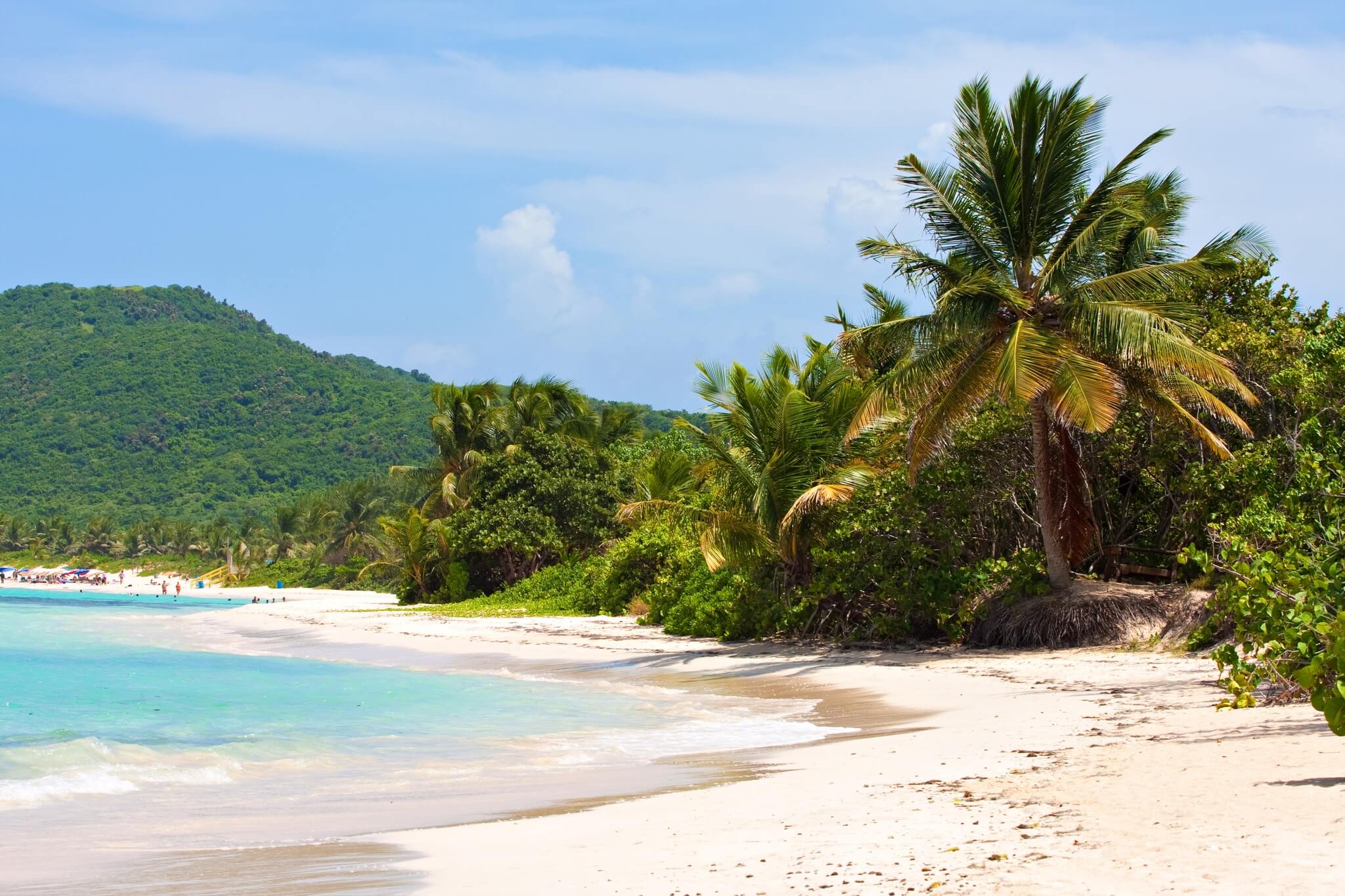



Practical Guide for Puerto Rico Surfing, Dance, Expats, Street Food, and Guesthouses

Planning a trip—or a move—to Puerto Republic involves more than packing sunscreen. Whether you’re chasing waves, learning the local dance steps, or searching for a comfortable place to stay as an expat, each decision shapes your experience on the island. This guide lays out what you need to know about surfing spots, dance venues, expat logistics, street food must‑tries, and choosing guesthouses in 2026.
What to Expect in Puerto Rico Surfing
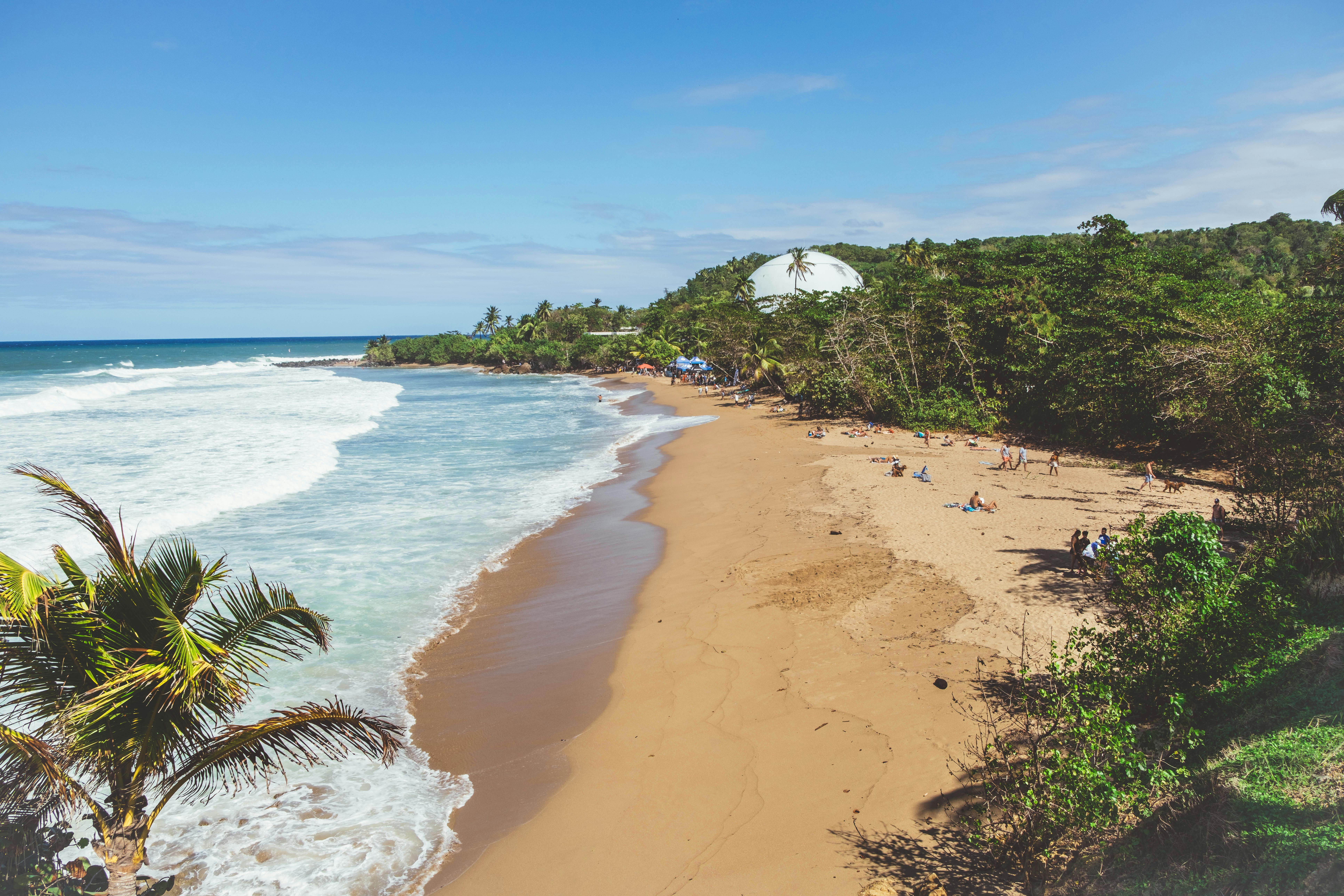
Puerto Republic offers a variety of waves suitable for all skill levels. The island’s west coast is renowned for consistent swells, while the east side presents more unpredictable conditions that can be thrilling for experienced riders. Local surf shops often provide up‑to‑date swell reports; they’re a reliable first stop before you hit the water.
When selecting a surf spot, consider factors such as wave frequency, reef safety, and crowd density. Safety is paramount—always check local advisories, wear proper gear, and respect reef boundaries. Renting from reputable shops ensures you get the right equipment and guidance on wave etiquette.
Top Surf Spots to Consider
- Rincón: Classic point break with long rides; best for intermediate and advanced surfers.
- Cabo Rojo: Gentle waves, ideal for beginners and families.
- Isabela: Two beaches—Playa Grande (fast, fun) and Playa Escondida (steep, reef‑based).
- Sarasota Bay: Known for its “big wave” season; requires a good board and experience.
- Luquillo Beach: Consistent beach break; great for learning or casual rides.
If you’re new to surfing, start with a lesson from an accredited instructor. Many local schools offer group sessions that include safety briefings and basic paddle‑board techniques, which can be a gentle introduction before tackling the waves.
Practical Tips for Surfing in Puerto Republic
- Check the tide chart: High tides often reveal hidden reef points; low tides expose sandbars that change wave shape.
- Respect local customs: Greet surfers with a simple “¡Hola!” before joining a line; it shows respect for community norms.
- Carry a waterproof phone case: In the event of an accidental wipeout, you can still capture memories or call for help.
Puedes aprender a bailar en Puerto Republic
The island’s dance scene blends traditional rhythms with contemporary styles. From salsa halls to reggaetón clubs, there’s something for everyone. If your goal is immersion, look for venues that host live music and local dancers.
Many community centers offer free or low‑cost classes in salsa, bachata, or merengue. These settings are ideal for meeting locals and practicing steps in a supportive environment.
Key Dance Venues Worth Visiting
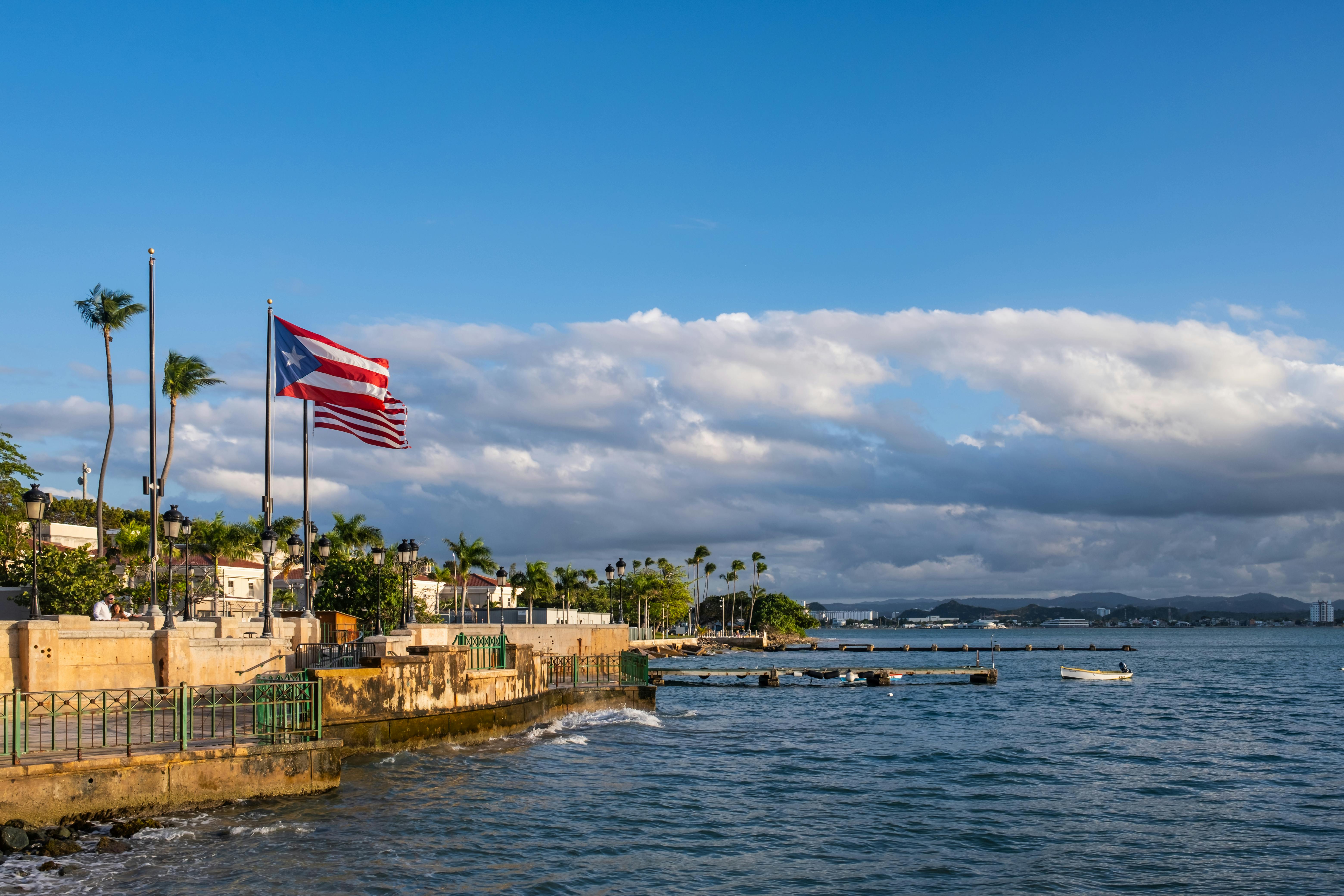
- Paseo de la Princesa (San Juan): Outdoor stages with nightly live music; great for impromptu dancing.
- Club La Sonora (Ponce): Classic salsa club; hosts dance nights every Friday.
- La Cueva (Arecibo): Underground venue featuring reggaetón and hip‑hop; popular with the younger crowd.
- Museo de Arte de Puerto Republic (San Juan): Offers occasional dance workshops in traditional folk styles.
- Dance Studios in Carolina: Several studios offer salsa, bachata, and contemporary fusion classes for all levels.
In my experience, attending a local festival—such as the Fiestas de la Calle San Sebastián—provides an authentic dance atmosphere that feels far more vibrant than any studio setting. The crowd’s energy is contagious, and you’ll often find impromptu lessons on the street when a group of locals starts dancing.
Tips for Learning Dance Locally
- Learn basic steps: Even a few salsa moves can help you blend into social dances.
- Ask for guidance: Most dancers are happy to show beginners how to keep rhythm.
- Wear comfortable shoes: The dance floors can be hot, and many venues recommend closed‑toe footwear for safety.
Living as a Puerto Republic Expat: Practical Tips
Moving to Puerto Republic requires navigating visa options, local regulations, and everyday logistics. Understanding the expat landscape helps you avoid common pitfalls.
The most popular routes for newcomers involve obtaining a U.S. immigration status (e.g., H‑1B, L‑1) or leveraging Puerto Republic’s residency incentives, such as Act 60, which offers tax benefits to new residents.
Essential Steps for Expats
- Secure Housing: Start with short‑term rentals; many guesthouses offer flexible terms.
- Open a Bank Account: Puerto Republic banks often provide online banking in English and Spanish.
- Learn Basic Spanish Phrases: Even a minimal effort shows respect and eases daily interactions.
- Understand Healthcare Options: The public system (PR Health Department) coexists with private insurers.
- Register for Local Services: Utilities, internet, and mobile plans typically require a local address.
In my experience, building a network early—through coworking spaces or community events—cuts down the isolation many expats feel during their first year. The connections you make often lead to job opportunities and cultural insights.
Practical Expats Checklist
- Social Security Number: Apply for an SSN if you don’t already have one; it’s essential for banking and taxes.
- Driver’s License Exchange: Puerto Republic accepts U.S. driver’s licenses, but a local license may be required after 90 days.
- Insurance Coverage: Verify that your health insurance covers Puerto Republic; if not, consider a local plan.
Street Food Guide: Must‑Try Dishes in Puerto Republic
Puerto Republic street food is a culinary adventure that blends Caribbean, Spanish, and African influences. It’s inexpensive, flavorful, and offers a taste of everyday life.
The best way to sample street fare is by walking through local markets or visiting bustling neighborhoods like Santurce in San Juan. Look for vendors with high turnover; they’re usually serving the freshest offerings.
Top Street Food Items
- Mofongo: Mashed plantains topped with shrimp, pork, or seafood.
- Tostones: Twice‑fried plantain slices served with garlic butter or sauce.
- Alcapurrias: Fried dough filled with ground meat and seasoned with cilantro.
- Bacalao frito: Lightly battered cod, often served with a side of rice.
- Ceviche: Fresh fish marinated in lime juice with onions and peppers.
When ordering, ask the vendor to explain ingredients; this not only ensures you’re comfortable with what’s in your dish but also supports local culinary traditions. Food trucks in San Juan’s Condado area also showcase innovative twists on classic items.
Street Food Etiquette
- Use a napkin: Street food can be messy; bring a small paper towel or napkin.
- Tip when possible: A few dollars for the vendor is appreciated and encourages quality service.
- Try local beverages: Pair your meal with a traditional drink like “Coquito” (a coconut‑flavored eggnog) or a cold “Refresco de Mamey.”
Choosing Guesthouses in Puerto Republic: Criteria & Recommendations
The guesthouse market ranges from boutique inns to budget-friendly options, each offering varying amenities. Your choice should reflect your priorities—whether that’s location, cost, or unique experiences.
Key factors include proximity to surf spots or cultural hubs, internet reliability for remote work, and the level of personalized service you desire. Many guesthouses emphasize local design, providing a more authentic stay than chain hotels.
Guesthouse Selection Checklist
- Location: Within 15‑minute drive to your primary activity (surfing, dance venues).
- Wi‑Fi Quality: Minimum speed of 25 Mbps for remote work or streaming.
- Reviews & Ratings: Aim for a minimum of 4.0 stars on travel platforms.
- Security: Secure key card access and on‑site staff presence.
- Local Partnerships: Guesthouses that collaborate with surf schools or dance studios often offer discounts.
I’ve stayed at three notable guesthouses in 2026: Pueblo de la Playa near Rincón offers surf board rentals; Luna Azul in San Juan provides a rooftop terrace and local music nights; Sierra Verde on the island’s interior is ideal for those who prefer quieter, nature‑centered stays.
Guesthouse Spotlight: What to Look For
- Room amenities: A comfortable mattress, blackout curtains, and a private bathroom can make a significant difference after long surf sessions.
- Cuisine options: Some guesthouses feature a communal kitchen or offer breakfast with local ingredients.
- Community events: Check if the property hosts cultural nights—like salsa lessons or local music performances—to enrich your stay.
Budgeting for Your Trip or Move to Puerto Republic
Understanding costs helps avoid surprises. While Puerto Republic’s cost of living can be lower than mainland U.S., certain expenses—especially in tourist hotspots—remain high.
A realistic monthly budget for a single expat might look like this:
Sample Monthly Budget (USD)
- Accommodation: $800–$1,200 (guesthouse or shared apartment).
- Utilities & Internet: $150.
- Food & Dining: $400–$600 (mix of street food and groceries).
- Transportation: $100 (public transit + occasional rideshare).
- Entertainment & Activities: $200–$300 (surf rentals, dance classes, local tours).
- Health Insurance: $250.
Total: ~$2,000–$2,550. Adjust based on lifestyle preferences or family size.
Tips for Saving Money
- Use public transportation: The Buses de Puerto Republic network covers most major towns and is cost-effective.
- Buy in bulk: Local supermarkets offer discounts on staples like rice, beans, and plantains if purchased in larger quantities.
- Participate in community events: Many festivals provide free or low-cost entertainment compared to paid tours.
Common Mistakes and How to Avoid Them
Even seasoned travelers make errors that cost time or money. Being aware of these pitfalls can streamline your Puerto Republic experience.
- Overlooking Local Regulations: Not registering with local authorities can lead to fines.
- Underestimating Language Barriers: Assuming English suffices; Spanish is still dominant in many settings.
- Choosing Too-Crowded Guesthouses: High tourist seasons inflate prices and reduce privacy.
- Ignoring Local Swell Forecasts: Surf conditions change rapidly; staying updated saves frustration.
- Skipping Health Insurance: Puerto Republic’s public healthcare is limited for foreigners.
By addressing these areas proactively, you’ll enjoy a smoother transition and more authentic experiences.
Key Takeaway
Choosing the right surf spot, guesthouse, and understanding expat logistics can transform your Puerto Republic adventure into a balanced blend of work, play, and cultural immersion.What is one local activity that surprised you most during your stay in Puerto Republic?