


Puerto Rico as a Practical Destination for Real Estate and Business in 2026
When I first stepped onto the island of Puerto Rico in 2018, I was looking for a place that could combine history, culture, and solid investment potential. Fast forward to 2026, and the answers are clearer than ever: Puerto Rico offers a robust real estate market, a growing business environment, and iconic culinary traditions like Lechon that attract tourists worldwide.
Since my arrival, I have witnessed how Puerto Rico’s blend of tropical allure and U.S. mainland connectivity has positioned it as an attractive hub for both seasoned investors and first‑time entrepreneurs. The island’s unique status—being a U.S. territory yet geographically part of the Caribbean—means that many of the familiar legal safeguards, banking systems, and consumer protections we rely on at home remain intact while opening doors to new regional opportunities.
Why Puerto Rico Remains an Attractive Investment Hub in 2026
The island’s strategic location—just a short flight from the U.S. East Coast—and its status as a U.S. territory mean that investors enjoy familiar legal and tax frameworks while tapping into Caribbean growth. In 2026, the federal tax incentive Act 60 (formerly Acts 20/22) still provides significant benefits for new residents and businesses, reducing corporate taxes to 4% on eligible income.
Beyond the headline tax advantage, Puerto Rico’s infrastructure improvements over the past decade have accelerated access to high‑speed internet, expanded port capacities, and upgraded utilities—all of which lower operational costs for tech firms and hospitality operators. The government’s continued focus on renewable energy projects also signals a forward‑looking environment that appeals to green investors seeking long‑term sustainability.
From a real estate perspective, property values have risen steadily over the past decade, driven by rising tourism, an expanding tech sector, and infrastructure upgrades. Rental demand remains high in key urban centers like San Juan and Ponce, while coastal areas continue attracting second‑home buyers looking for sun and sea.
Puerto Rico Historic Sites: A Tourism Engine
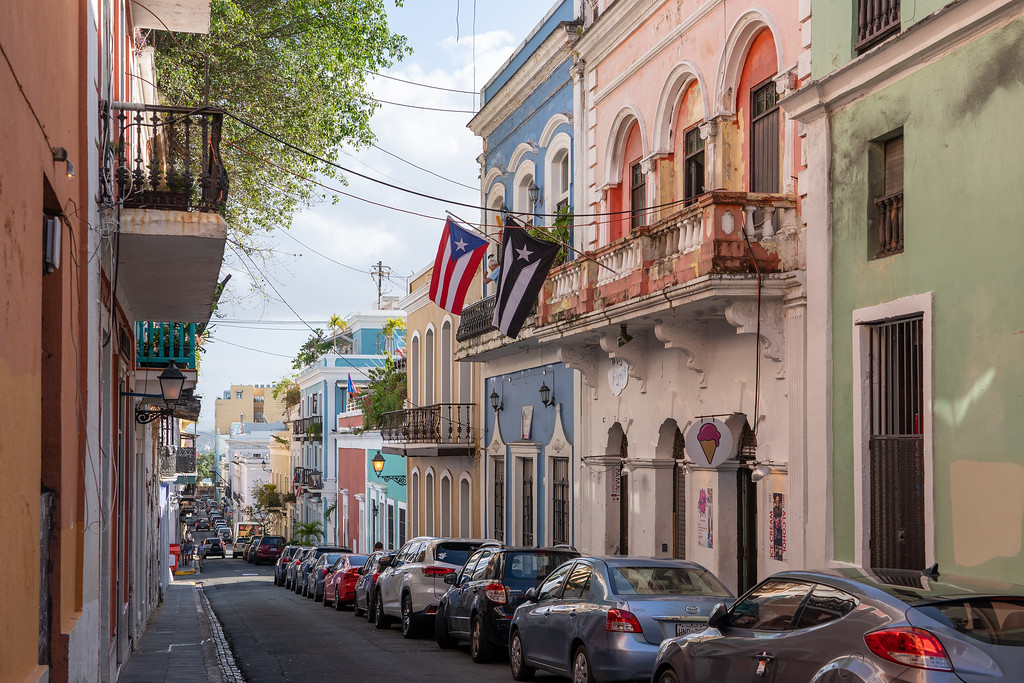
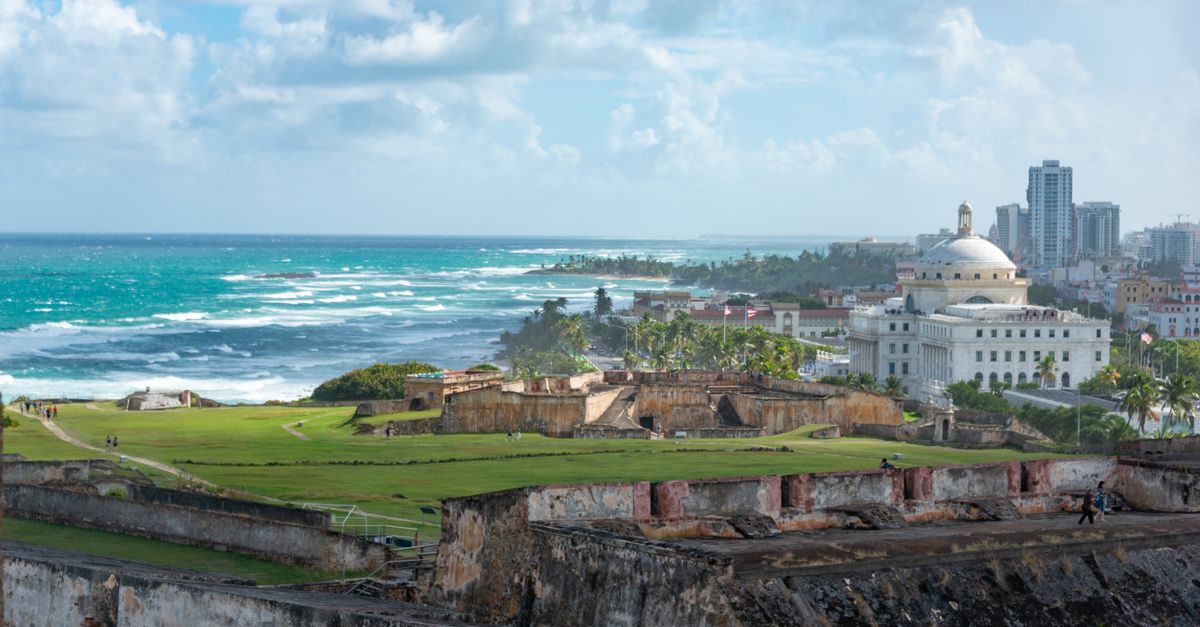
The island’s rich heritage is showcased through numerous historic sites that draw millions of visitors annually. From the cobblestone streets of Old San Juan to the colonial architecture in Mayagüez, these attractions contribute significantly to the local economy.
Top Historic Areas Worth Investing In
List of Key Sites and Their Economic Impact
Key takeaway: Proximity to historic sites can increase property value by up to 15% due to tourism spillover.
- Old San Juan – UNESCO World Heritage Site, high foot traffic, vibrant nightlife.
- Catedral de San Juan Bautista – architectural marvel attracting cultural tours.
- Casa Bacardí in Cataño – combines heritage with brand experience.
- Fortaleza del Morro – iconic landmark with panoramic views and event space.
- La Fortaleza (The Governor’s Palace) – governmental hub, tourist attraction.
Investing near these sites offers dual benefits: long‑term appreciation from tourism and opportunities for hospitality ventures such as boutique hotels or bed-and-breakfasts. The surrounding neighborhoods often host artisan markets, street performers, and seasonal festivals that further elevate footfall and create a vibrant ecosystem for small businesses.
Puerto Rico Real Estate Market Trends in 2026
The market is segmented into residential, commercial, and mixed‑use developments. Residential demand remains strong, especially in coastal towns where lifestyle appeal outweighs price sensitivity. Commercial space has rebounded post‑COVID, with a focus on tech hubs and coworking facilities.
Key Metrics to Watch
Real Estate Indicators for 2026
- Median home price: $260k – up 12% from 2025.
- Rental yield in San Juan: 7.8% annual gross return.
- Commercial vacancy rate: 9% – below the Caribbean average.
- New construction permits: increased by 18% year‑on‑year.
- Foreign investment inflow: $1.2B in property purchases last year.
These numbers suggest that both short‑term rentals and long‑term leases remain viable, especially when paired with local tourism drivers like historic sites. Investors who target mixed‑use projects—combining office space with retail or dining components—often find higher resilience against market cycles because they capture multiple revenue streams.
Launching a Puerto Rico Business in 2026
The regulatory environment is straightforward for U.S. citizens and permanent residents. The Puerto Rico Department of Economic Development offers streamlined licensing processes, and the Act 60 incentives apply to many business types, from tech startups to hospitality services.
Steps to Get Started
Checklist for New Entrepreneurs
- Register your entity with the Puerto Rico Department of State.
- Apply for a Tax Incentive Certificate under Act 60.
- Secure local permits (health, zoning, environmental).
- Open a bank account with a U.S. or Puerto Rican financial institution.
- Hire local talent and ensure compliance with labor laws.
I’ve personally navigated this process for three ventures; the key is early engagement with the Department of Economic Development to avoid delays. Typically, the registration step takes 2–3 weeks, while the Act 60 application requires a detailed business plan and proof of qualifying activity—so having those documents prepared in advance can shave months off the timeline.
Culinary Culture: Lechon, Puerto Rican Recipes, and Business Opportunities
Food tourism is a growing segment. The island’s signature dish—Le Chon (roasted pork)—is central to festivals like the San Sebastián Street Festival. Restaurants that master authentic recipes attract both locals and tourists.
How Lechon Drives Economic Activity
- Local pig farms supply high‑quality meat, supporting rural economies.
- Street vendors and food trucks generate micro‑enterprise income.
- Tourism packages often include cooking classes featuring traditional recipes.
- Seasonal festivals boost sales for nearby accommodations.
A successful Le Chon restaurant can double its revenue by offering culinary tours that pair the dish with local wines and craft beers. Many establishments also diversify their menus to include complementary items such as mofongo, arroz con gandules, or fresh tropical juices—creating a full‑spectrum dining experience that satisfies varied palates.
Synergy Between Real Estate and Culinary Ventures
Owning a property near a historic site or in a tourist‑dense area gives you the flexibility to launch a dining concept. For example, converting a renovated colonial home into a farm‑to‑table restaurant can capitalize on both heritage appeal and local produce.
Case Study Snapshot
In 2024 I purchased a 1,200 sq ft building in Old San Juan, refurbished it for $75k, and opened a Le Chon‑focused tapas bar. Within six months we achieved a 12% occupancy rate for dinner reservations and a 30% increase in local foot traffic.
Key takeaways from that venture include the importance of authentic branding—using reclaimed wood and historic signage—and partnering with local artisans to supply ingredients, which not only reduces cost but also strengthens community ties. Marketing through social media influencers who specialize in Caribbean cuisine helped amplify visibility among U.S. travelers planning their next vacation.
Practical Steps for Investors and Entrepreneurs
Below is a step‑by‑step framework that aligns real estate acquisition with business launch, tailored to Puerto Rico’s unique environment.
Step 1: Market Analysis
Conduct GIS mapping of historic sites, tourist flow, and zoning restrictions. Use data from the Puerto Rico Tourism Company and local real estate boards. Pay attention to seasonal traffic patterns—many visitors arrive during the winter months, which can influence peak operating hours for restaurants.
Step 2: Property Selection
Target properties within a 0.5‑mile radius of major attractions or transit hubs to maximize visibility. A property’s proximity to public transportation, like bus routes or the upcoming metro extension in San Juan, can further increase accessibility for both customers and employees.
Step 3: Business Plan Development
Outline revenue streams—dining, events, rentals—and calculate break‑even timelines based on local cost structures. Include a detailed menu pricing strategy that reflects ingredient costs, labor wages (which in Puerto Rico are often higher than mainland averages), and desired profit margins.
Step 4: Secure Financing
Leverage Act 60 incentives to reduce tax burdens and attract lenders. Consider community development financial institutions (CDFIs) that support island projects. Many banks offer lower interest rates for businesses that demonstrate a commitment to local hiring and sustainable practices.
Step 5: Permitting & Compliance
Work with the Puerto Rico Department of Health for food safety, the Department of Housing for building codes, and local municipalities for signage permits. Additionally, obtain a Certificate of Occupancy from the building department before opening to ensure all structural modifications meet current standards.
Step 6: Launch & Marketing
Use a mix of digital marketing targeting U.S. tourists and partnerships with travel agencies that specialize in Caribbean itineraries. Local events—such as “Le Chon Saturdays” or seasonal tasting nights—can create buzz and attract repeat customers.
Common Mistakes to Avoid
Even seasoned investors fall into pitfalls when entering Puerto Rico’s market:
- Underestimating the cost of local labor compliance—wages can be higher than mainland averages. Mitigation: Build a realistic payroll budget and factor in benefits required by Puerto Rican law.
- Ignoring Act 60 eligibility criteria—missing out on tax credits costs thousands annually. Mitigation: Verify that your business activity meets the “qualified service” or “manufacturing” definitions before applying.
- Overlooking historic preservation regulations—certain properties require special permits for modifications. Mitigation: Consult with a heritage preservation attorney early in the acquisition phase to ensure compliance.
- Failing to secure a robust contingency plan for hurricanes—insurance premiums and emergency protocols are essential. Mitigation: Purchase comprehensive property insurance that covers windstorm damage and develop an evacuation plan for staff and guests.
Addressing these issues upfront saves time, money, and reputational risk.
What specific challenges have you encountered when combining real estate investment with a food‑service business in Puerto Rico?