Puerto Rico Road Trip: Exploring Mosquito Bay, Coffee, and Spanish Colonial Architecture
The idea of a Puerto Rican road trip sounds idyllic—sun, sea, historic streets—but the reality is a mix of logistics, timing, and choosing the right experiences. I’ve driven every major highway on the island twice, mapped out coffee plantations in the mountains, and camped beside the bioluminescent glow of Mosquito Bay Vieques. The result? A practical roadmap that balances adventure with safety, especially during Puerto Rico hurricane season.
Below you’ll find a step‑by‑step itinerary, key dates to avoid storms, tips for navigating Spanish colonial architecture, and how to enjoy the island’s coffee culture without feeling rushed. This guide is written from my own road‑trip experience, so it skips fluff and focuses on what actually matters when planning your trip.
1. Timing Your Trip Around Puerto Rico Hurricane Season
Puerto Rico hurricane season runs from June 1 to November 30, with peak activity in August and September. While the island is resilient, storms can delay flights, close roads, or even shut down tourist sites. I recommend visiting between late March and May or early October to mid‑November for a balance of warm weather and lower storm risk.
When planning, keep these practical points in mind:
Checklist for Weather‑Smart Planning
- Check the NOAA forecast two weeks before departure. The National Oceanic & Atmospheric Administration provides detailed tropical outlooks that can help you avoid the worst of a potential storm.
- Book refundable accommodations. Hotels and vacation rentals often offer free cancellation up to 48 hours before check‑in, giving you flexibility if weather changes.
- Have a backup route if a coastal road is washed out. Many highways along the coast are prone to flooding; knowing an inland alternative can save days of frustration.
- Reserve indoor activities (museums, coffee tours) in case of rain. Puerto Rico’s cultural sites rarely close for weather, so you’ll still have something to do if clouds roll in.
2. Choosing Your Route: From San Juan to Vieques
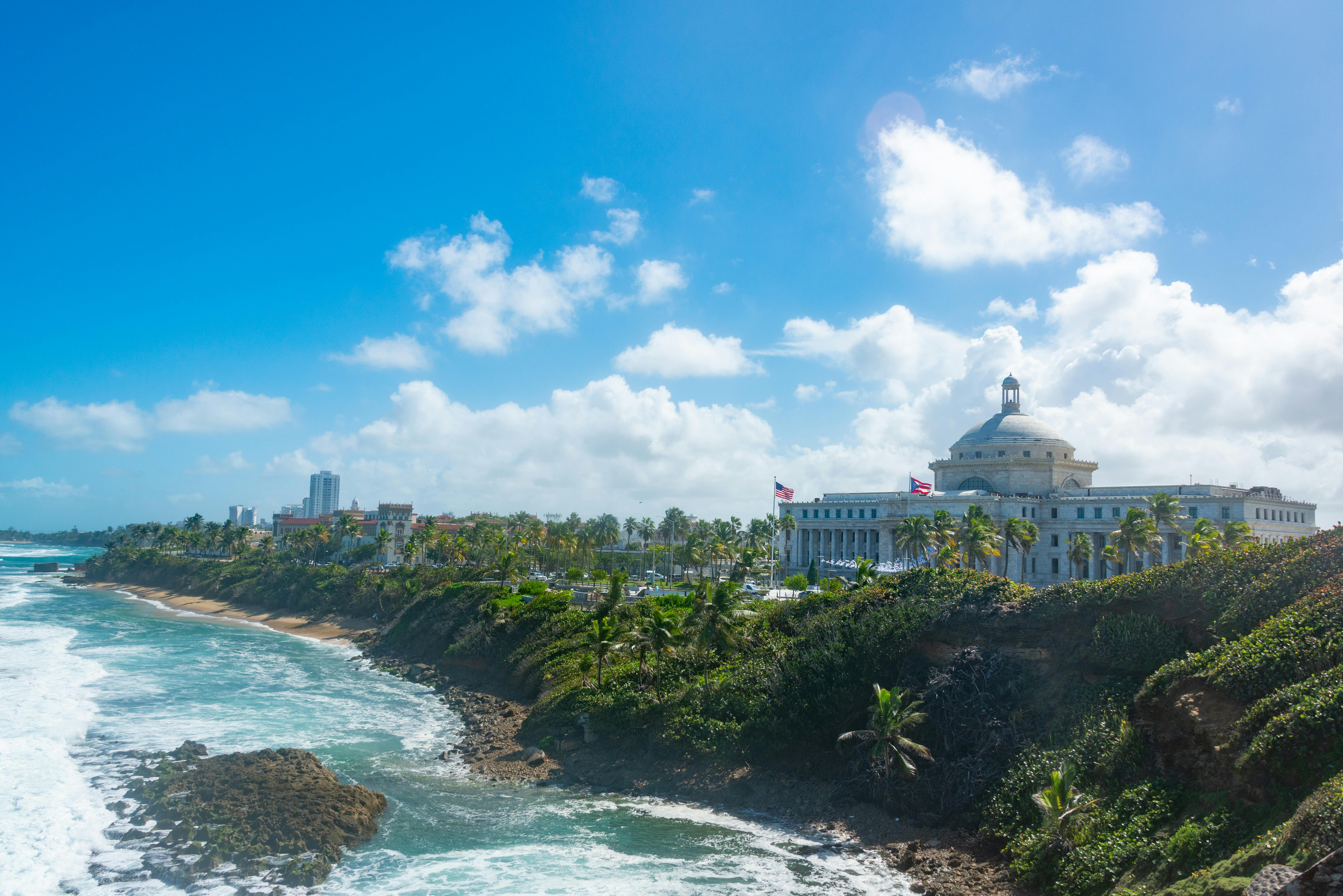
The island’s main highways—PR‑52, PR‑1, and PR‑10—connect the major cities. I usually start in San Juan because it offers a mix of modern amenities and Spanish colonial architecture before heading west toward the coast.
My recommended route:
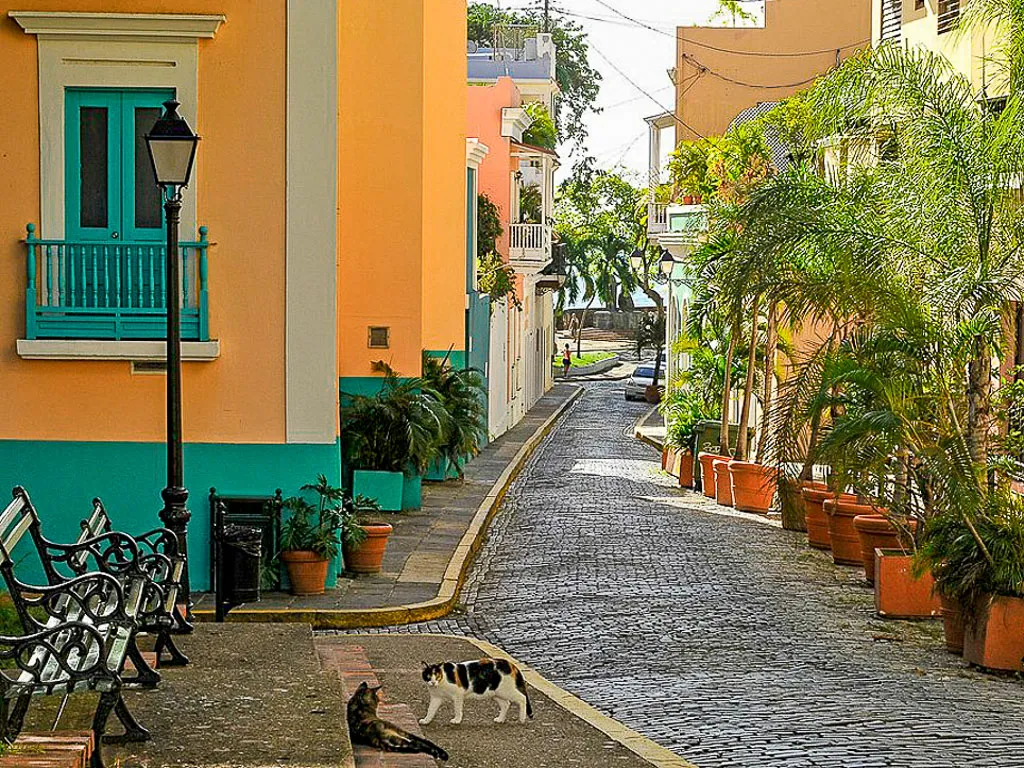
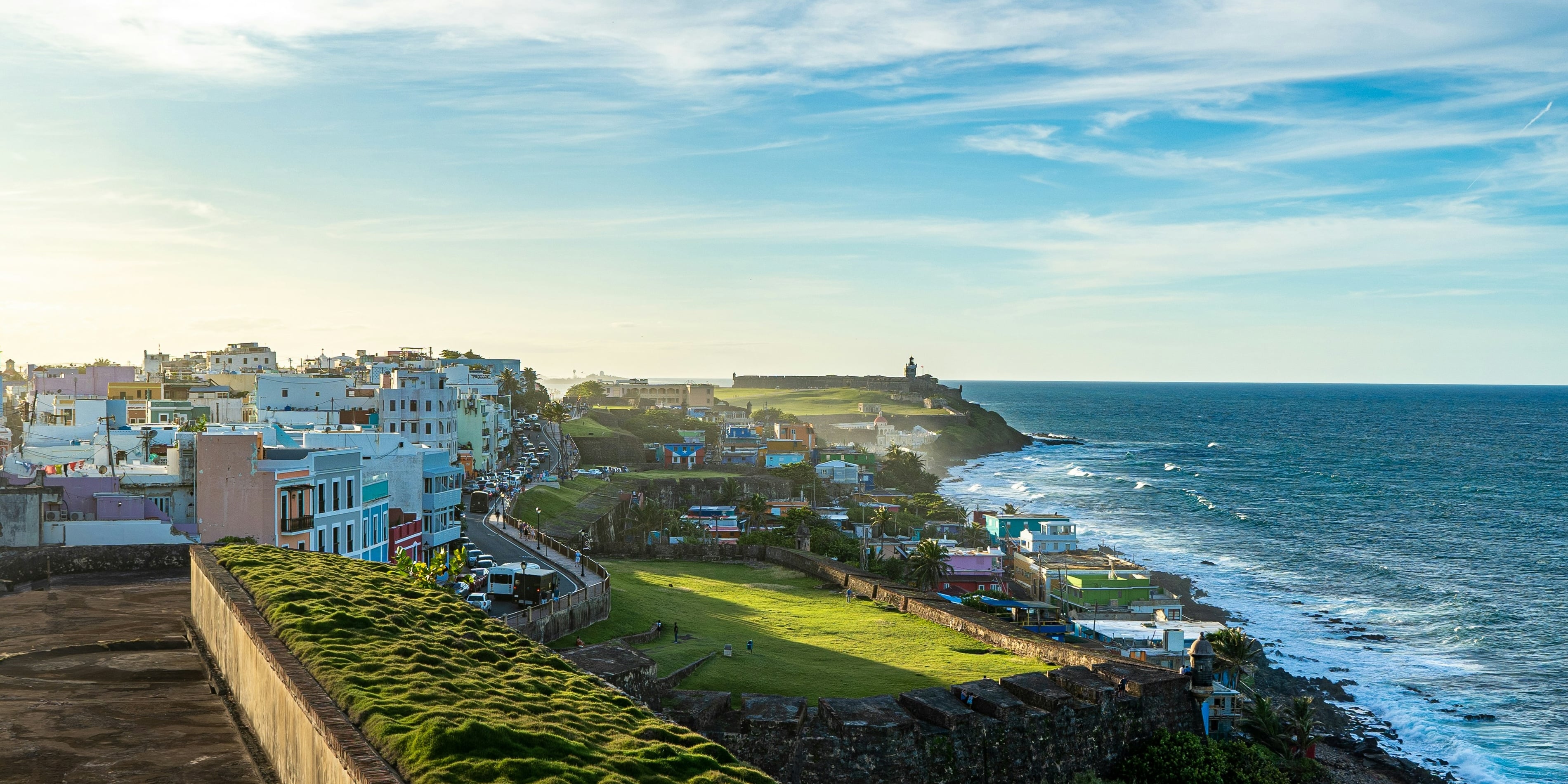
- Day 1–3: San Juan & Old San Juan – explore historic forts, cobblestone streets, and local cafés. Take a stroll along the Paseo de la Princesa for sunset views of the bay.
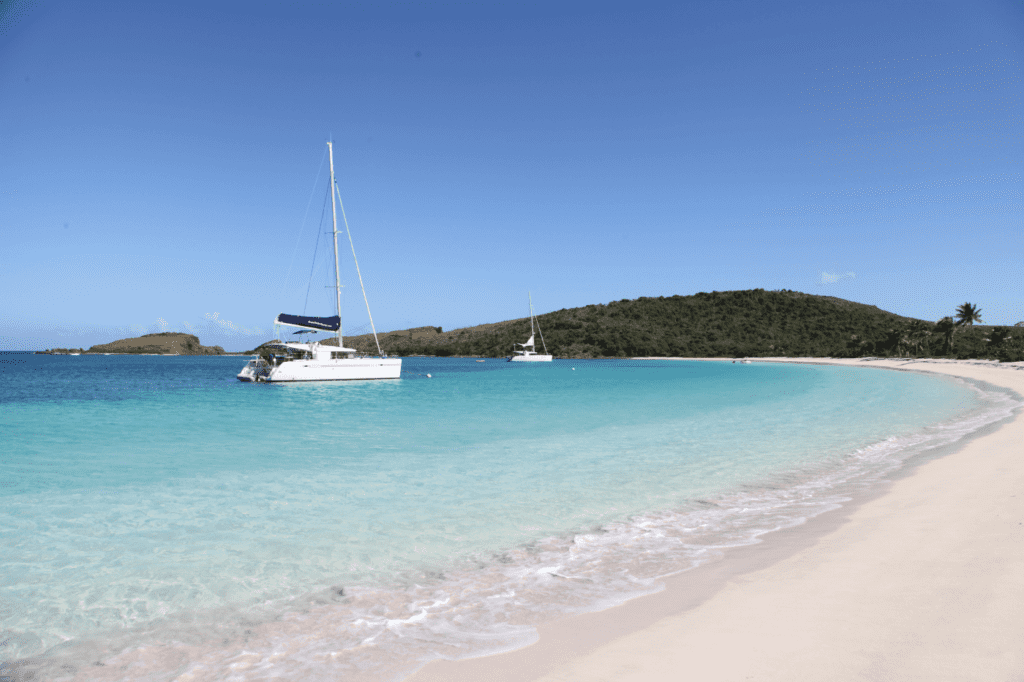
- Day 4–5: Mosquito Bay Vieques – enjoy bioluminescent waters and island culture. The ferry from Ceiba takes about an hour; plan to arrive at least two hours before your night tour.
- Day 6–7: Coffee plantations in the central mountain range (Arecibo or Caguas). These towns offer easy access to terraced farms that produce some of Puerto Rico’s most celebrated beans.
- Day 8: Return to San Juan via PR‑1, stopping at El Yunque National Forest.
This loop keeps driving time under four hours per day and lets you hit all key experiences without backtracking. If you have extra days, consider an extension to Ponce or the eastern coast for additional beaches.
3. Spanish Colonial Architecture in Old San Juan
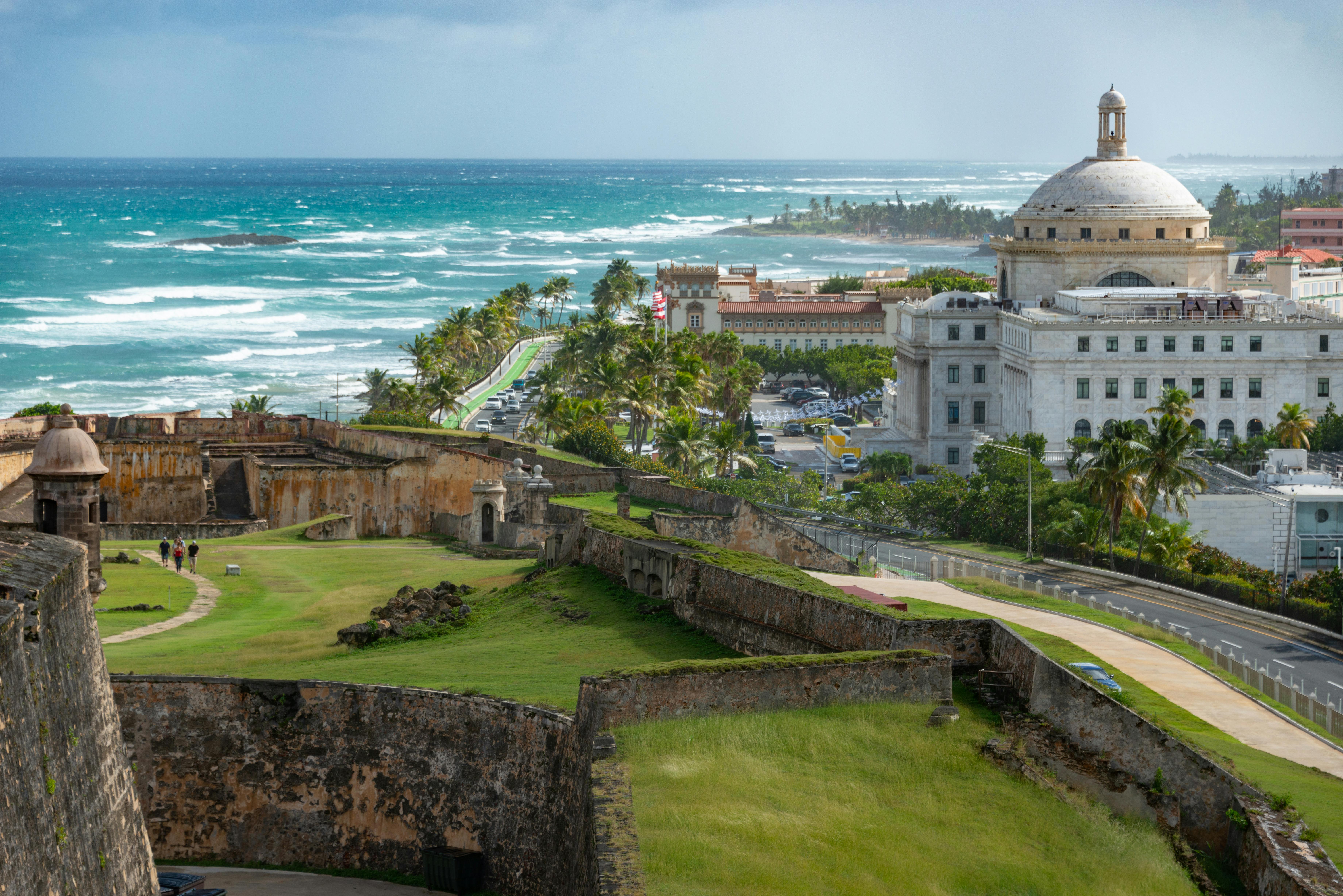
Old San Juan is a UNESCO World Heritage site, packed with preserved colonial buildings that date back to the 16th century. The narrow streets are a living museum of Spanish baroque and neoclassical designs.
Key sites:
Must‑See Colonial Landmarks
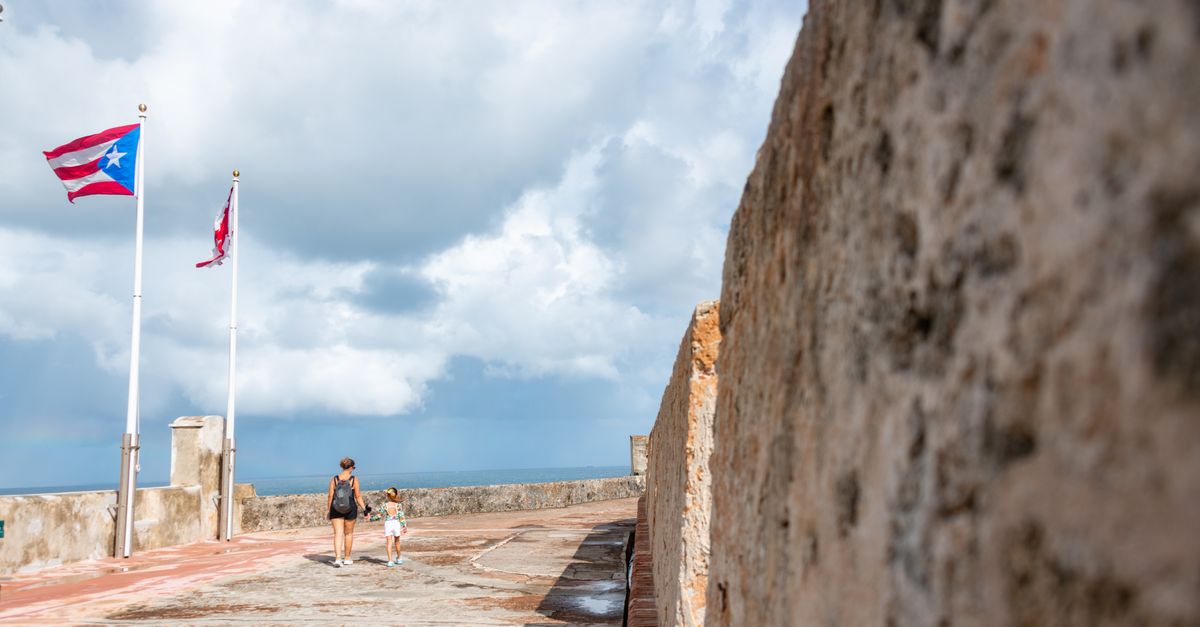
- El Morro Fortress (Castillo San Felipe del Morro) – panoramic sea views and historic cannons.
- San Cristóbal Fortress – the largest fortification on the island, offering insight into coastal defense strategies.
- Casa de los Muertos (House of the Dead) – a popular photo spot that tells stories of colonial life.
- Parque del Morro – ideal for a sunset stroll and reflection on historic architecture.
Take time to read the plaques; they often explain how these structures survived hurricanes, giving you context for Puerto Rico hurricane season resilience. For photography enthusiasts, the best light comes early in the morning or late afternoon when the walls glow with warm tones.
4. Mosquito Bay Vieques: Bioluminescence and Island Culture
Mosquito Bay is famous worldwide for its glowing waters—an optical phenomenon caused by bioluminescent dinoflagellates. Visiting at night requires a boat tour, which I booked through a local operator that respects the environment.
In my experience, the best time to witness Mosquito Bay’s glow is just after dusk when the water is still calm and visibility is high; this allows for longer, more immersive kayak sessions.Safety tips:
Beach & Boat Safety Checklist
- Wear a life jacket if you’re not a strong swimmer.
- Keep noise to a minimum to avoid disturbing marine life.
- Avoid touching the water after kayaking; it can damage the bioluminescent organisms.
- Bring a waterproof phone case for photos.
The combination of natural wonder and local cuisine (fresh seafood, tropical fruits) makes this stop unforgettable. If you’re traveling with children, many operators offer guided kayak tours that include safety briefings and educational moments about marine ecology.
5. Puerto Rico Coffee: From Plantation to Cup
The island’s coffee is unique—grown at elevations between 1,200–3,000 feet, it develops a distinct flavor profile. I’ve toured several plantations in the central mountain range, and they all offer a blend of history and modern sustainability practices.
What to look for:
Choosing a Coffee Experience
- Organic certification. This ensures that no harmful pesticides affect the beans or surrounding ecosystems.
- Direct trade relationships with local farmers. Direct trade guarantees fair compensation and fosters community resilience.
- On‑site roasting facilities. Freshly roasted coffee delivers a richer aroma and more nuanced flavor.
- Tasting session with a barista or plantation manager. A guided tasting can reveal subtle notes of citrus, chocolate, or floral undertones.
After the tour, buy a small bag of beans to bring back home—your taste buds will thank you. Many plantations also sell locally roasted coffee blends that incorporate regional spices like cinnamon or guava for a truly Puerto Rican experience.
6. Scenic Detours: El Yunque and Luquillo Beach
El Yunque National Forest is the only tropical rainforest in the U.S. National Forest System. It’s a short detour from PR‑1, offering waterfalls, hiking trails, and lush scenery.
Luquillo Beach sits just east of El Yunque and is known for its kiosks selling local delicacies like alcapurrias and empanadillas.
Best Trail in El Yunque
- Cerro Gordo Trail (3.5 miles round trip) – moderate difficulty, great views of the forest canopy.
Combine a morning hike with an afternoon beach lunch for a balanced day. If you’re short on time, the La Mina Falls trail is shorter but equally picturesque. Remember to bring insect repellent and plenty of water—humidity can quickly lead to dehydration.
7. Budgeting and Logistics: Fuel, Food, and Accommodations
Driving in Puerto Rico is straightforward; tolls are minimal compared to mainland U.S., but fuel costs can add up, especially on longer stretches like PR‑52.
Typical daily budget per person (mid‑range):
Daily Expense Breakdown
- Fuel: $30–$45.
- Food: $25–$40.
- Accommodation: $70–$120 per night (mid‑scale hotels).
- Activities: $10–$50 per attraction.
For families, consider vacation rentals; they offer kitchen facilities and more space for three kids and dogs. Always confirm pet policies—most accommodations allow small dogs with a fee. If you’re looking to stretch the budget further, grocery stores in towns like Caguas sell fresh produce and local specialties at lower prices than tourist areas.
8. Common Mistakes & How to Avoid Them
Even seasoned travelers stumble on these pitfalls:
Top 5 Pitfalls in Puerto Rico Road Trips
- Underestimating hurricane risk. Even a passing tropical storm can cause power outages and road closures, so always have a backup plan.
- Ignoring local traffic rules (speed limits are enforced). Speed limits on PR‑52 are 65 mph; on rural roads they drop to 45 mph. Use the GPS’s navigation alerts to stay within legal speeds.
- Leaving valuables in the car unattended. Many thefts occur when vehicles sit idle for long periods—use a lockbox or keep essential items in your carry‑on.
- Not booking tours in advance (especially for Mosquito Bay). Availability can be limited during peak season; call ahead to secure your spot.
- Overpacking—bring only what you need to keep the vehicle light. Extra weight increases fuel consumption and makes maneuvering on narrow streets harder.
Plan ahead, stay informed, and keep your itinerary flexible. A well‑structured schedule with built‑in downtime can turn a potentially stressful trip into an unforgettable adventure.
What’s your biggest concern when planning a Puerto Rico road trip?