

Puerto Rico Travel Guide 2026: The Ultimate Caribbean Getaway
Planning a Caribbean trip can feel like navigating a maze. This guide cuts through the noise, giving you a clear roadmap to Puerto Rio in 2026—when to go, where to stay, what to do, how to capture it on camera, and why Culebra is essential.
Why Puerto Rico Stands Out in Caribbean Travel
Puerto Rico blends historic towns, lush rainforests, world‑class beaches, and a culinary mix of Spanish, African, and Taíno flavors. Its proximity to the U.S. mainland eliminates passport hassles for American travelers, and its status as a U.S. territory keeps currency and payment systems familiar.
Top 5 Reasons to Choose Puerto Rico
- Culture on Every Corner: San Juan’s cobblestones echo centuries of history.
- Outdoor Playground: From El Yunque hikes to bioluminescent bays.
- Water‑Based Wonders: Snorkeling, diving, and kayaking are second nature.
- Food & Drink Hub: Local coffee farms, rum distilleries, fresh seafood.
- Travel Logistics Simplified: Direct flights from major U.S. cities and a connected ferry system.
The island’s diverse ecosystems create a natural laboratory for travelers who love to explore. Whether you’re drawn to Santurce’s street art, El Yunque’s misty trails, or Vieques’ crystal beaches, Puerto Rico delivers depth without multiple flights or visas—making it the Caribbean “gateway.”
When to Visit: Timing and Budgeting for Puerto Rico 2026
Seasonal swings affect price, crowd levels, and weather. Knowing the sweet spot saves money and frustration.
Estimated Daily Expenses (USD)
- Budget Traveler: $60–$80 – hostels, street food, public transport.
- Mid‑Range: $120–$180 – boutique hotels, mixed dining.
- Luxury: $250+ – 5★ resorts, private tours.
Shoulder months—March to May and September to November—offer lower rates, mild temperatures, and fewer tourists. July‑August is peak summer heat but ideal for festivals like San Sebastián Street Festival in Old San Juan or the lively Fiestas de la Calle San Sebastián.
For families, late spring (May–June) balances warm weather with post‑school holidays. Solo travelers or couples may find December’s off‑peak period surprisingly affordable if weekdays and major holidays are avoided.
Getting There and Around Puerto Rico
San Juan’s Luis Muñoz Marín International Airport is the most common entry point, with nonstop flights from New York, Miami, and Atlanta. Once on land, options vary by budget and preference.
Transportation Overview
- Car Rental: Flexible but watch tolls and parking in San Juan.
- Public Bus (Metro de Puerto Rico): Economical for city travel; less reliable on edges.
- Shared Rides & Taxis: Widely available, especially near airports.
- Ferry Services: Key to reach Culebra and Vieques from Fajardo.
Renting a car grants freedom, but parking fees can be high in historic districts where many streets are pedestrian‑only. If staying within one municipality, public transit or shared rides may suffice.
The bus network is inexpensive but limited on weekends and holidays. Download the Metro de Puerto Rico app for real‑time arrivals. For longer distances—Vieques or Culebra—the ferry departs hourly from Fajardo during peak season; travel times are 30 min to Culebra and an hour to Vieques. Tickets can be bought online for a small discount.
Staying in Puerto Rico: From Luxury to Budget
Accommodation ranges from historic inns to modern hostels, aligning with your activity plans.
Room Types by Preference
- Luxury Resorts: Casa de Campo, Ritz‑Carlton.
- Boutique Hotels: La Concha in Condado, Hotel El San Juan.
- Mid‑Range Guesthouses: Casa del Mar, Airbnb rentals.
- Budget Hostels: Hostel 3B, El Batey Backpackers.
Choose lodging near transportation hubs. Condado or Isla Verde places you within walking distance of the beach and bus stops that connect to Old San Juan and Fajardo. For nature excursions—El Yunque hikes or coastal kayaking—a rural guesthouse near the forest’s entrance often includes a complimentary shuttle.
Many hostels and boutique hotels offer communal kitchens, organized tours, or cultural events for an authentic experience. Luxury resorts provide amenities like spas, golf courses, and private pools—worthwhile if relaxation after activity is desired.
Cultural Highlights: Explore Historic San Juan
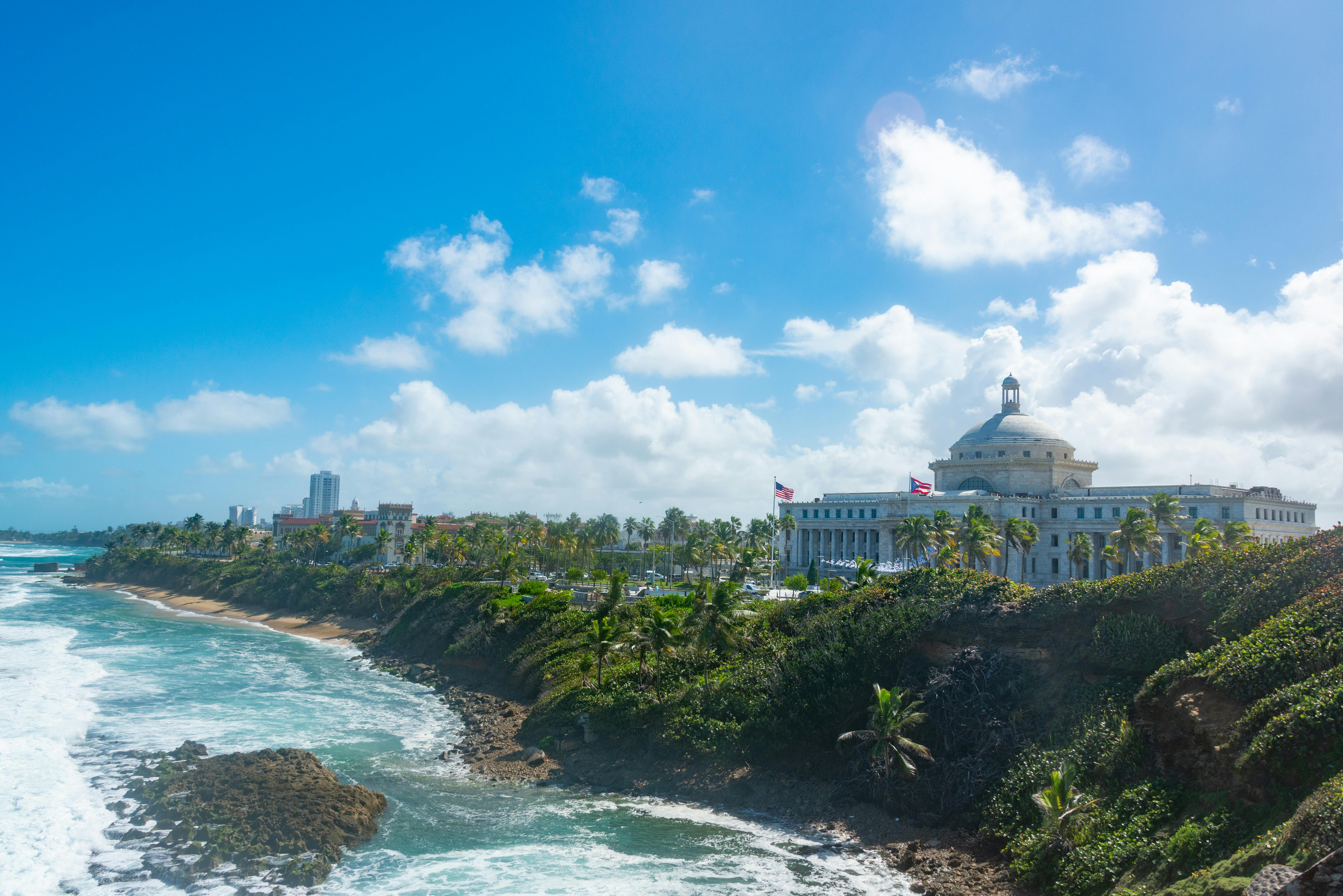
San Juan’s Old Town is a UNESCO World Heritage site; walking its streets feels like stepping into a living museum.
Must‑See Sites
- El Morro Fortress: Iconic fort with panoramic sea views.
- Castillo San Cristóbal: Largest Spanish fortress in the New World.
- La Fortaleza: The oldest governor’s mansion still in use.
- San Juan Cathedral: Gothic architecture and rich history.
Beyond forts, neighborhoods like Santurce celebrate music, art, and cuisine. A guided food tour can lead you through eateries serving mofongo, arroz con gandules, and the island’s famous coffee.
The weekly farmers’ market in Plaza Colón offers fresh tropical fruits, handmade crafts, and local cheeses—a sensory feast and a chance to practice Spanish with friendly locals.
Outdoor Adventures: Hiking, Waterfalls, and Beaches
Puerto Rico’s varied terrain offers something for every adventurer—from rainforest trails to hidden coves.
Top Outdoor Spots
- El Yunque National Forest: Trail to La Mina Falls.
- Boca del Dragón Beach: Surfers’ paradise in Fajardo.
- Caguas River Park: Kayaking and zip‑lining.
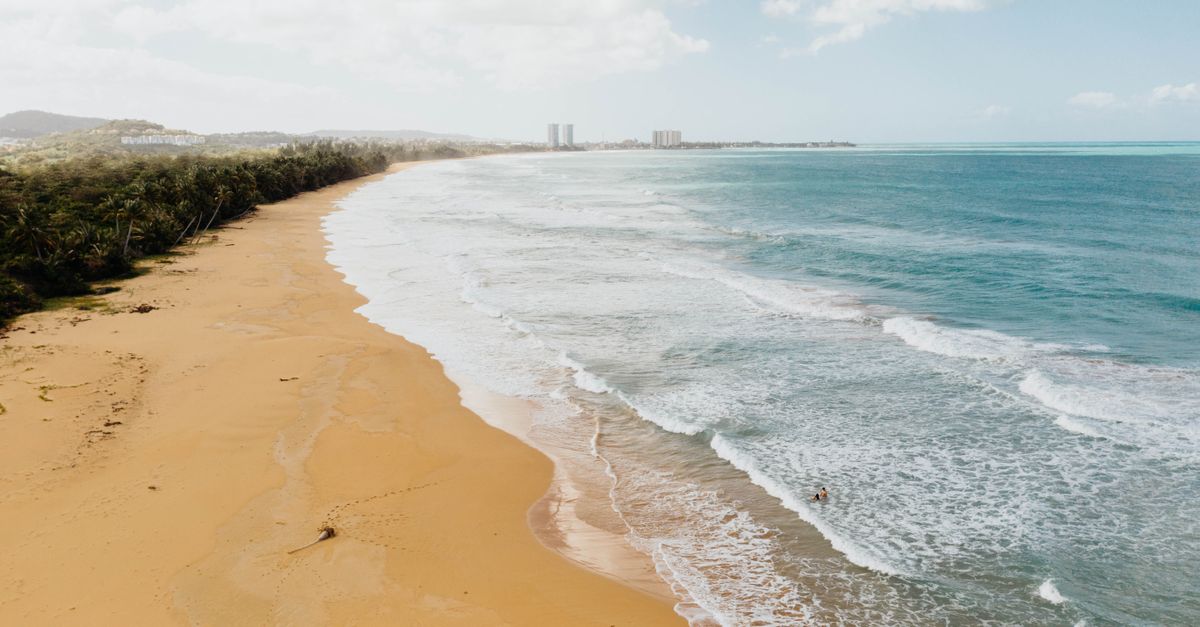
- Isla Verde Shoreline: Sunset walks along the Atlantic.
El Yunque’s La Mina Trail leads to a 40‑foot waterfall with a natural pool—popular during hot months. For a challenge, the summit trail offers views of the Caribbean and interior ridges.
Boca del Dragón Beach is known for consistent waves that attract beginner surfers and seasoned riders. Isla Verde’s calm turquoise waters are ideal for snorkeling and stand‑up paddleboarding. Caguas River Park blends land and water activities—zip‑lining across forest canopies and kayaking through mangrove channels—perfect for families or groups.
The east coast hosts secluded coves accessible by short hikes from parking areas, such as Playa Escondida—a private beach experience ideal for sunset picnics or quiet moments away from crowds.
Pocket Guide to Puerto Rico Snorkeling
The crystal‑clear waters around Puerto Rico host vibrant coral reefs and diverse marine life. Whether you’re a seasoned diver or just dipping your toes, there’s a spot for every skill level.
Best Snorkeling Locations in 2026
- Mangrove Cays: Near Isla Verde – calm waters and abundant fish.
- La Parguera Bioluminescent Bay: Night snorkeling for a glow‑in‑the‑dark experience.
- Punta Maldonado: Hidden reefs accessible by kayak.
Bring a lightweight mask and snorkel set that fits comfortably. For families, rent child‑friendly gear at local shops near Isla Verde or Fajardo—many vendors offer guided tours focused on marine conservation.
Punta Maldonado can be explored by kayak, allowing you to glide past reefs while staying close to shore. A short paddle leads to underwater arches and hidden caves where curious fish and colorful corals await discovery.
Culebra Puerto Rico: The Island That Keeps on Giving
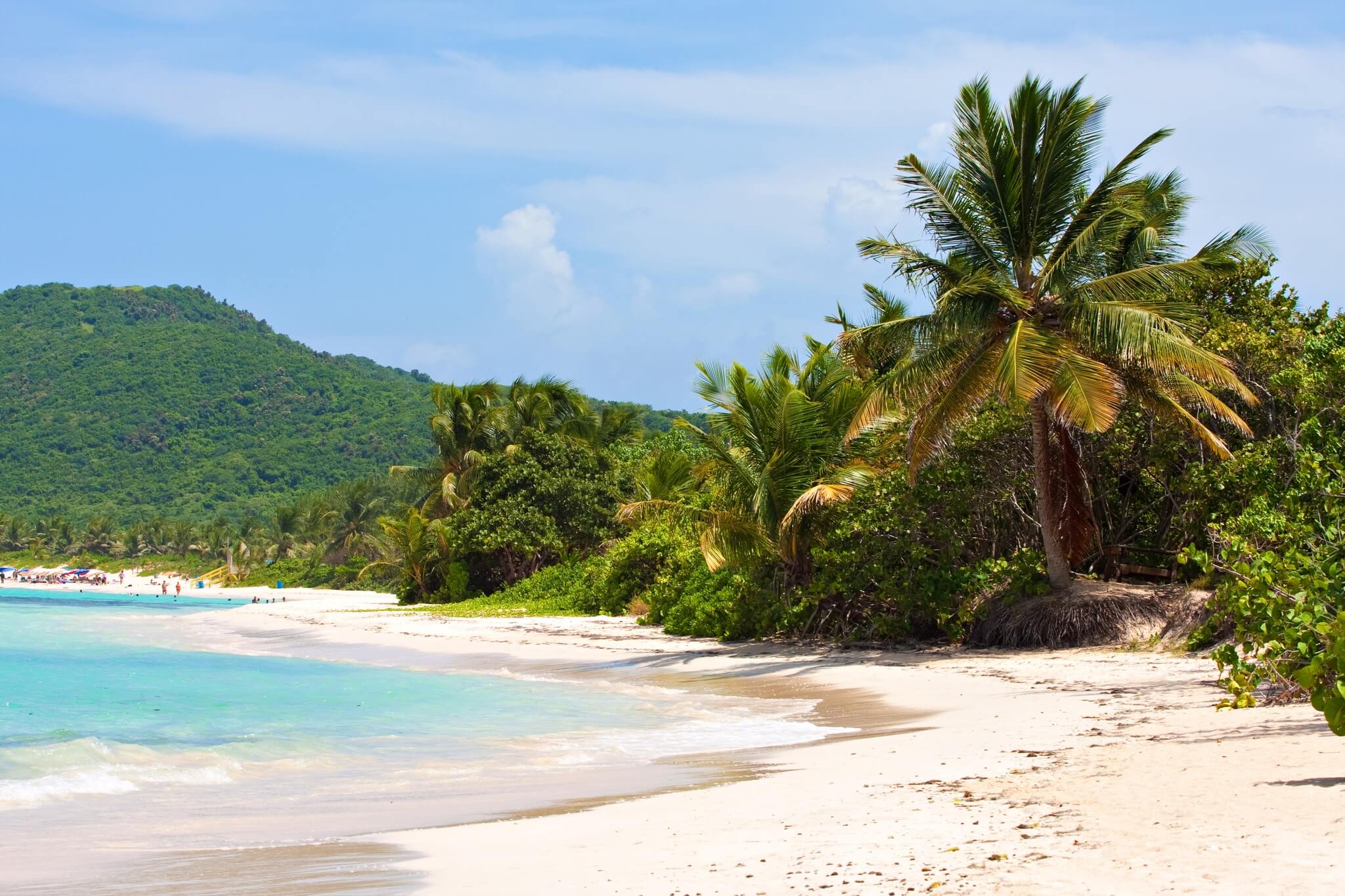
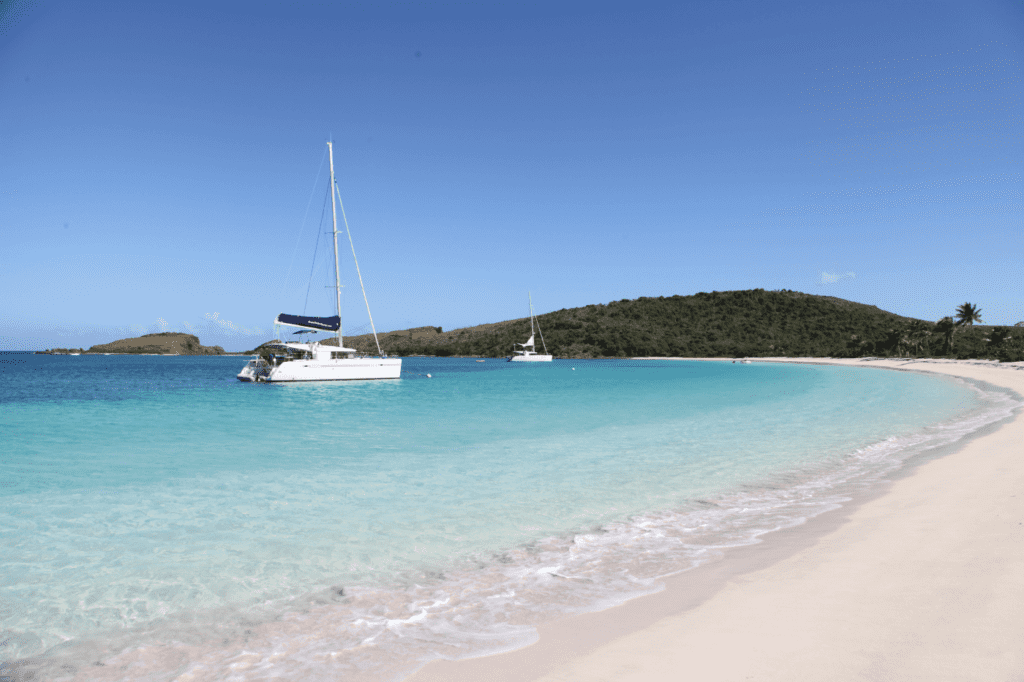
A short ferry ride from Fajardo, Culebra is a slice of untouched paradise. Its white‑sand beaches and clear waters make it an ideal escape for both relaxation and adventure.
Key Attractions in Culebra
- Flamenco Beach: Consistently ranked among the world’s best.
- Concha de Madera Reef: Great snorkeling with vibrant coral.
- Cueva Ventana: Cave offering a panoramic view of the island.
Beyond the famed beach, Culebra offers quiet coves such as Playa Tamarindo and Playa Fronton where turquoise waters provide perfect conditions for kayaking or stand‑up paddleboarding. The island’s small population keeps most attractions untouched—ideal for travelers seeking authenticity.
For a multi‑day stay, rent a bicycle from local shops; many roads are flat and paved, making cycling a convenient way to explore the island’s scenic villages. San Juanico hosts several restaurants serving freshly caught seafood—try grilled lobster or classic arroz con pollo for an unforgettable taste of Culebra.
Packing Checklist for Caribbean Travel
A smart packing list saves time and keeps you comfortable during your stay.
- Lightweight clothing (cotton or linen)
- Sun protection: SPF 50+, sunglasses, wide‑brim hat
- Waterproof jacket or poncho for sudden showers
- Reusable water bottle and hydration pack
- Portable charger & power bank
- Travel insurance documents
- Basic first aid kit (bandages, antiseptic wipes)
Add a small waterproof pouch for electronics if you plan to snorkel or surf. A travel‑sized toiletries set keeps hygiene without bulk. For photography lovers, bring extra memory cards and spare batteries; island light can drain power quickly.
Photography Tips: Capturing Puerto Rico’s Essence
Whether you’re a hobbyist or professional, the island offers endless visual opportunities. Here are practical tricks to elevate your shots.
Essential Photography Hacks
- Golden Hour: Shoot early morning or late afternoon for soft light.
- Rule of Thirds: Position key elements on grid lines.
- Use Natural Lenses: Wide‑angle for landscapes, macro for flowers.
- Capture Motion: Slow shutter speed to convey waves or crowds.
When photographing historic sites like El Morro, frame the fortress with its surrounding sea to highlight architectural detail against natural backdrops. Night photography is another exciting avenue—capture street lanterns in Old San Juan or bioluminescent waters at La Parguera using a low ISO and longer exposure.
If you have access to a drone, Puerto Rico’s coastal landscapes are perfect for aerial shots; just remember local regulations that restrict use over certain protected areas. A well‑composed image can convey the scale of El Yunque’s canopy or the vibrant colors of a tropical reef.
Finally, immerse yourself in storytelling by pairing images with simple captions that explain cultural references—such as the significance of the red and black tiles at La Fortaleza or the history behind Santurce murals. This contextual layer enriches the viewer experience and turns casual snapshots into compelling narratives.
Puerto Rico blends history, nature, and culture in a way few Caribbean destinations can match. By planning strategically—choosing the right time, selecting accommodations that fit your budget, and targeting specific activities—you’ll make the most of every moment on this island paradise.
The key takeaway: Puerto Rico’s accessibility, diverse landscapes, and rich culture make it a one‑stop Caribbean travel hub that offers both adventure and relaxation for any traveler. What is your must‑do activity in Puerto Rio, and why does it stand out to you?


