What Are the Best Puerto Rico Outdoor Activities for a Family Vacation?
I’ve spent months planning family trips that blend adventure, culture, and downtime. In Puerto Rico the outdoor scene is as diverse as its people—coffee farms, underground rivers, crystal beaches, and historic architecture. Below I detail the most practical ways to experience each while keeping a tight schedule and budget.
1. Embracing Puerto Rico’s Outdoor Lifestyle
The island offers rainforests, volcanic peaks, and coastal plains that suit any preference. For families it helps to pair active pursuits with scenic rest spots. I recommend structuring days around regional hubs—San Juan for culture, Ponce for history, Vieques for marine life—to reduce travel fatigue.
Rent a car once or use local shuttles between nearby attractions. A day in the Cordillera Central can be done without returning to San Juan each night if you stay overnight in Utuado or Adjuntas.
Essential Outdoor Gear Checklist
- Lightweight hiking shoes with good traction
- Reusable water bottles (water stations are plentiful)
- Sun protection: hats, SPF 30+ sunscreen, sunglasses
- Dry bags for electronics and valuables
- Portable first‑aid kit (bandages, antiseptic wipes, antihistamine tablets)
- Insect net or light mosquito spray
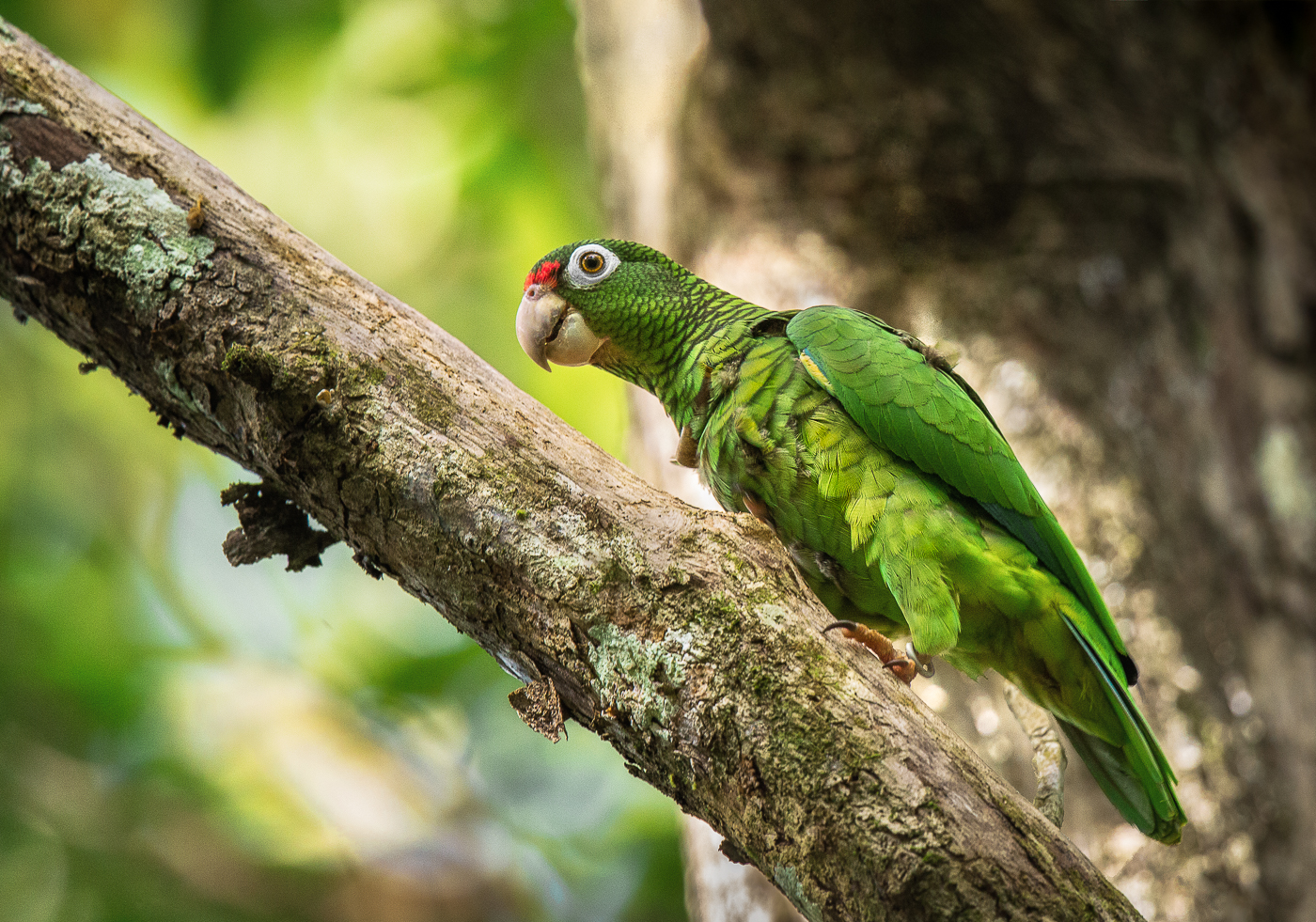
- Binoculars for bird watching in El Yunque or spotting marine life off Vieques
Pack a small backpack; most activities require only a few essentials.
2. Savoring Puerto Rico Coffee on the Trail
Coffee is world‑renowned, and visiting a farm lets you taste its heritage firsthand. Arecibo, Utuado, and Cayey offer distinct flavors. I recommend a guided tour that walks through terraced fields, shows roasting, and ends with tasting.
Most farms schedule tours in the morning to avoid midday heat; arriving 15 minutes early gives time to acclimate. The tour often concludes with a local breakfast featuring coffee‑infused pastries or “café con leche” served in a ceramic cup.
Top Coffee Farms to Visit
- Café Buenavista (Utuado) – organic beans, scenic waterfalls; hosts seasonal festivals with limited‑edition roasts.
- Café El Jibarito (Arecibo) – traditional methods and a workshop on bean drying techniques.
- Café La Vela (Cayey) – small‑batch roasts and panoramic mountain views; patio perfect for a family picnic with homemade guava jam.
Plan a 2‑hour slot. The walk takes about an hour and offers excellent photo opportunities. During harvest season (late November to January), many farms offer “behind‑the‑scenes” passes that let you see picking up close.
3. Rio Camuy Cave Park: A Natural Wonder
The park houses one of the world’s largest underground river systems, with stalactites, stalagmites, and a subterranean lake. Guided tours take you through tunnels to the deepest chambers.
The entrance is near Camuy; parking is free but limited on weekends. Bring sturdy shoes, hat, and water. For younger kids consider the “Junior Explorer” tour—a shorter route with less elevation change.
What to Expect on the Tour
- Duration: 2–3 hours (incl. hiking to entrance)
- Difficulty: moderate – suitable for teens and adults; children over five can walk comfortably with a guide.
- Gear: sturdy shoes, hat, water bottle; bring a flashlight if adventurous (headlamps are available on request).
- Highlights: underground lake, natural arches, ancient stalactite formations
The park also offers an outdoor playground for kids before heading back. A short hike to the observation deck provides panoramic valley views.
4. Puerto Rico Snorkeling Hotspots
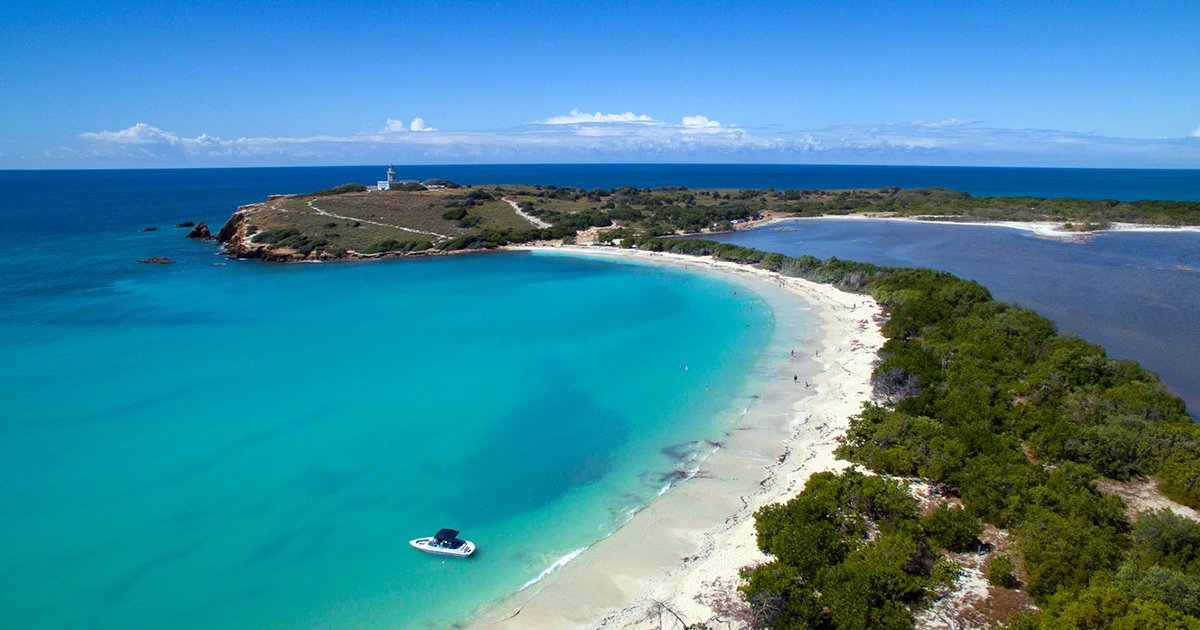
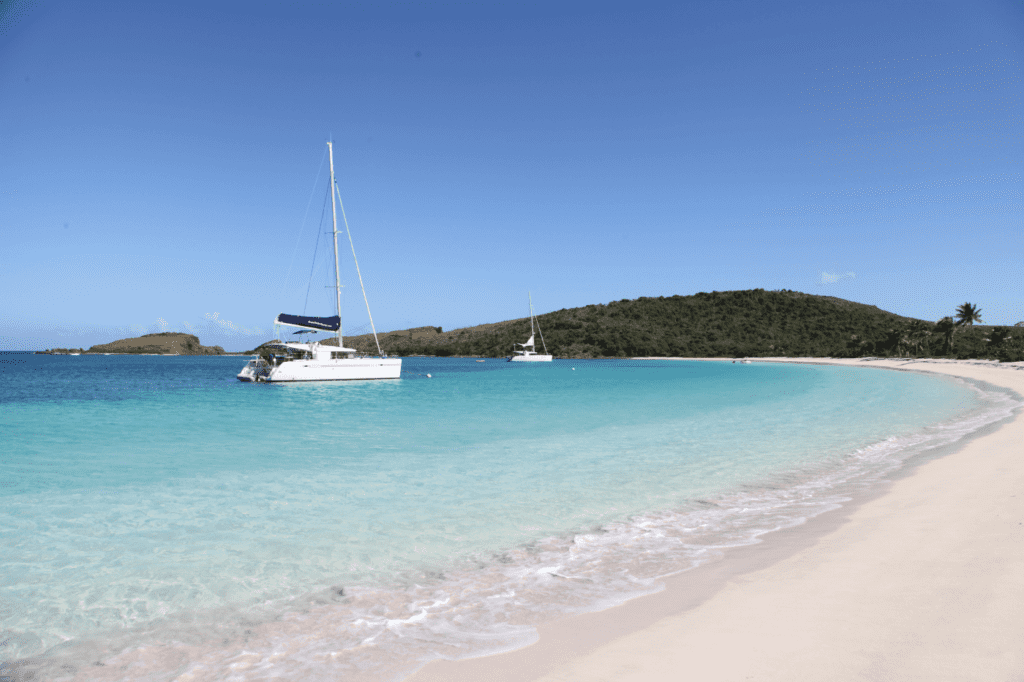
Snorkeling is essential on a beach‑centric itinerary. Culebra and Vieques stand out: clear waters, diverse marine life, calm currents—ideal for beginners.
Morning light gives the best visibility; early arrivals avoid crowds. Pack reef‑safe sunscreen (mineral‑based) to protect fragile ecosystems. Bring a reusable water bottle and a small towel—many rental shops provide these extras for an additional fee.
Best Beaches for Families
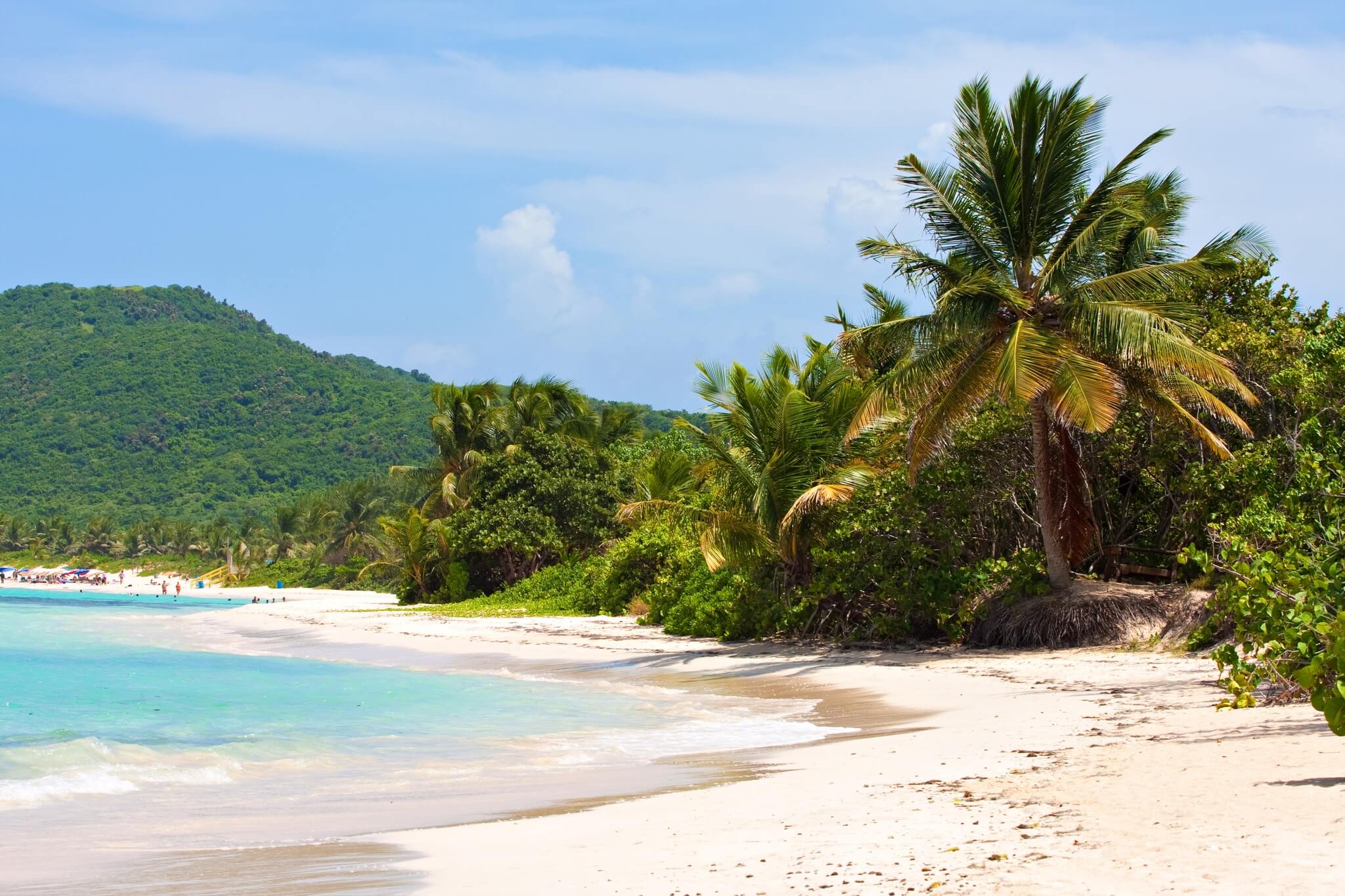
- Flamenco Beach (Culebra) – white sand, protected reefs; calm lagoon perfect for watching colorful fish.
- Sun Bay (Vieques) – shallow lagoon with abundant fish; hosts nightly “Moonlight Kayak” tours after sunset.
- La Concha (Vieques) – crystal clarity and sea turtle sightings during spring migration.
- Cienfuegos Bay (Vieques) – snorkeling with sea turtles in season; guided dive available for older kids.
Renting a snorkel kit costs about $15–$20 per day. Avoid touching or stepping on coral reefs to preserve marine life.
5. Puerto Rico Architecture: From Colonial to Contemporary
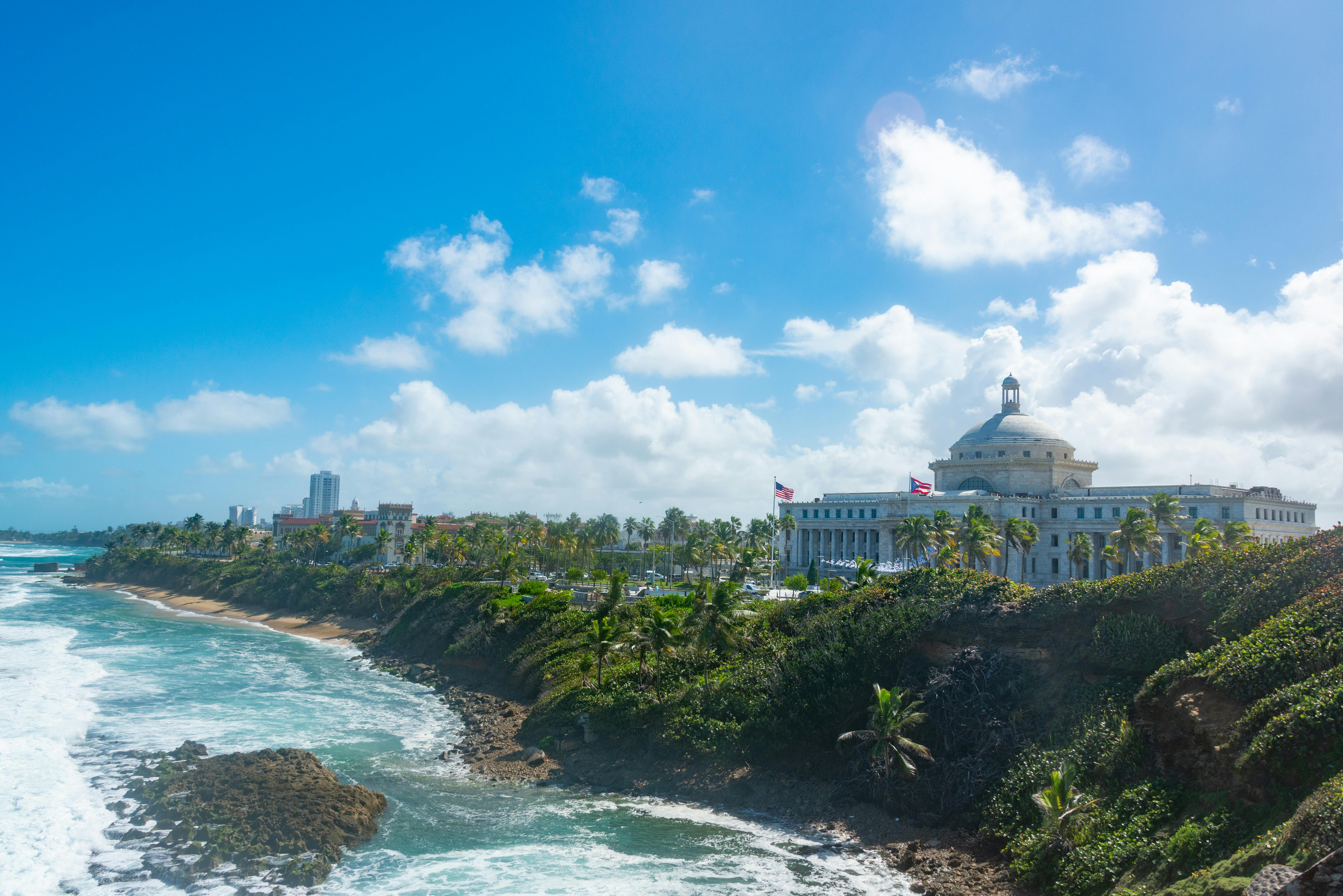
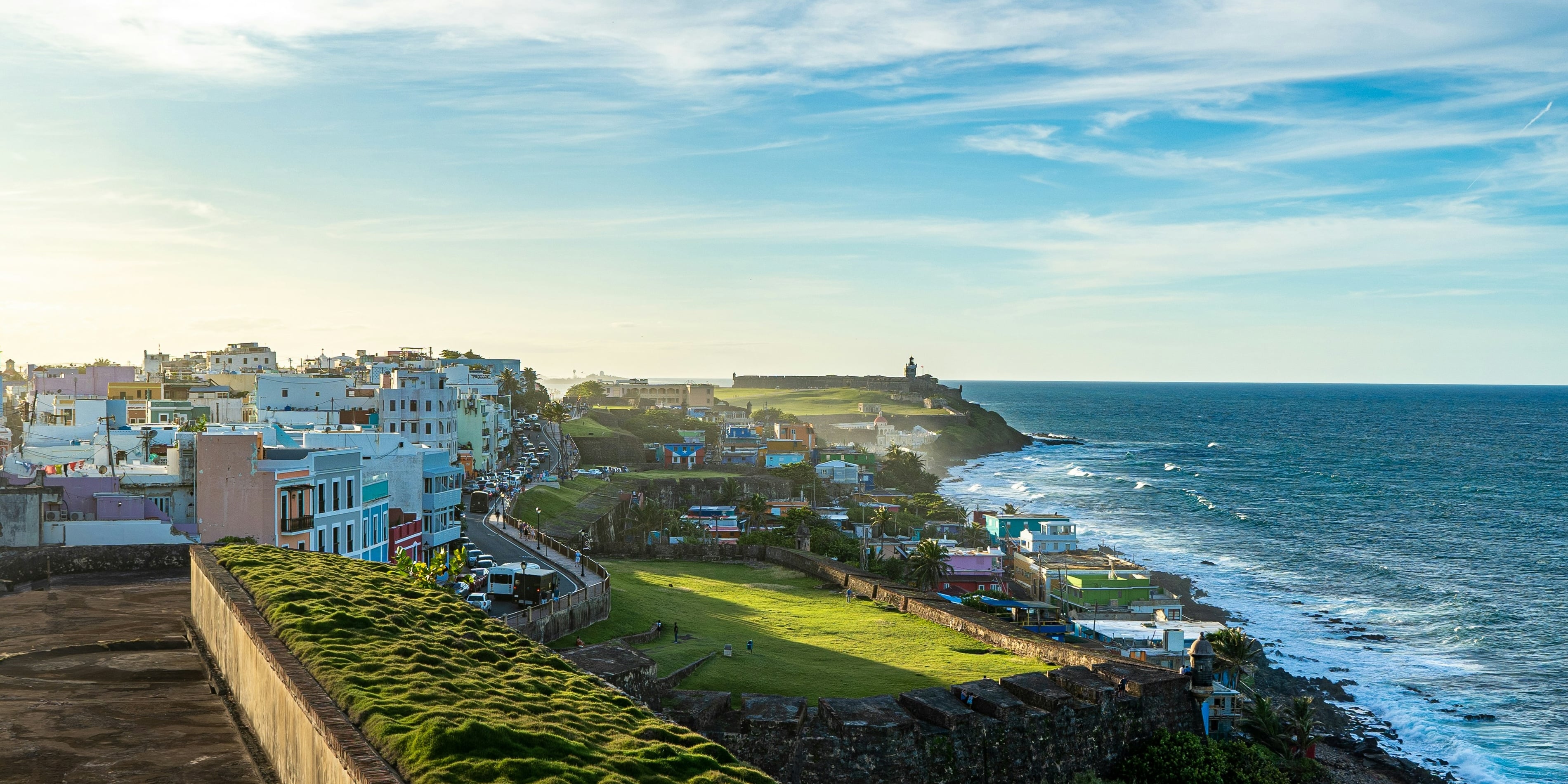
The built environment tells a story of Spanish colonialism, American influence, and modernist innovation. Key sites include San Juan’s fortresses, Ponce’s neoclassical plazas, and contemporary glass towers in Carolina.
Many landmarks offer guided tours explaining architectural details—such as coral stone use in El Morro or Art‑Deco at Casa Blanca. Families enjoy interactive exhibits where kids assemble simple models of fort walls or design their own glass façade using recycled materials.
Must‑See Architectural Landmarks
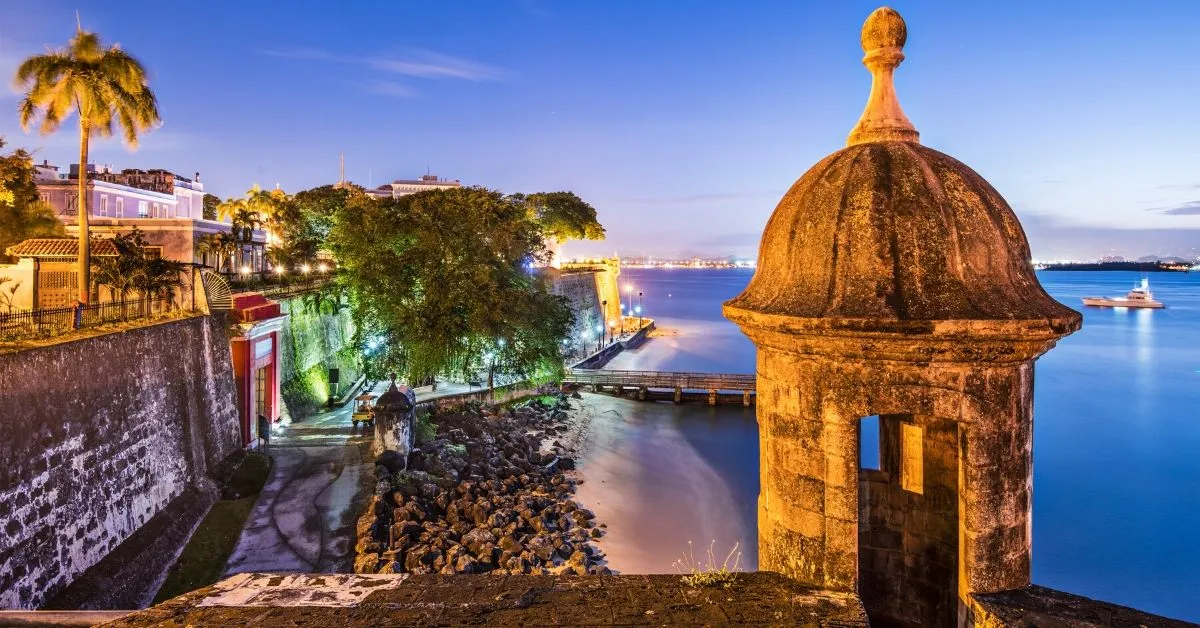
- El Morro & Castillo San Cristóbal (San Juan) – 16th‑century fortifications; hilltop offers panoramic views of San Juan Bay.
- Paseo de la Plaza del Coro (Ponce) – neoclassical civic center with a marble fountain popular among school field trips.
- Santuray’s Casa Blanca (Old San Juan) – early 20th‑century modernism; interior showcases original tile work and hidden staircases.
- La Escuela Superior de Artes Plásticas (Carolina) – contemporary glass façade; hosts rotating art exhibitions featuring student work.
Guided walking tours cost $10–$15 per person and run in the late afternoon, letting you see sunset over the cityscape.
6. Exploring Puerto Rico’s Food Culture with Kids
Puerto Rican cuisine blends Spanish, Taíno, and African flavors, offering many kid‑friendly options—fresh tropical fruits to hearty stews.
A popular activity is visiting the farmers’ market in Santurce on Saturday mornings. Stalls sell plantains, mangos, and freshly made “tembleque” (coconut pudding). Vendors often allow children to taste small samples, introducing new flavors safely.
For an interactive experience book a cooking class in Ponce where kids learn to make “alcapurrias,” a fried pastry filled with seasoned yuca. Classes last about two hours and end with a communal meal featuring the dishes everyone helped prepare.
7. Sample 7‑Day Family Itinerary
This plan balances activity with rest, ensuring each day ends with a relaxed dinner or evening stroll.
- Day 1: Arrive in San Juan – settle in, explore Old San Juan at sunset, stop for ice‑cream at La Bomba.
- Day 2: Coffee farm tour in Utuado + lunch at a local café; afternoon swim or beach walk along Isla Verde.
- Day 3: Rio Camuy Cave Park – morning hike and underground tour; afternoon beach time in Condado with picnic.
- Day 4: Fly to Culebra – snorkel at Flamenco Beach, dinner at a waterfront restaurant serving fresh ceviche; evening stroll on the boardwalk.
- Day 5: Return to main island; visit Ponce’s historic center and architecture tour; late‑afternoon coffee break in Plaza del Coro; relax by the pool before dinner with arroz con gandules.
- Day 6: Drive to Vieques – snorkeling at Sun Bay, sunset at La Concha; guided kayak tour if weather permits or beachside bonfire with local mariachis.
- Day 7: Return to San Juan – last‑minute shopping on Calle del Muelle, farewell dinner with live music and dancing; end the night with a sunset view of the harbor from Castillo San Cristóbal.
Adjust the sequence based on flight availability and weather forecasts. Keep travel times under four hours whenever possible and allow for spontaneous detours to roadside kiosks or scenic lookouts.
8. Travel Sustainability Tips for Families
Small habits can preserve Puerto Rico’s natural beauty. Choose accommodations that use LED lighting and low‑flow showers. Use reusable utensils and water bottles to reduce single‑use plastic waste; many restaurants offer discounts for families who bring their own containers.
Encourage kids to learn about local wildlife by visiting the El Yunque National Forest visitor center, where interactive displays explain how to respect habitats. Support local economies by purchasing crafts and food from community markets rather than large chain stores; this ensures your money benefits families who maintain the island’s cultural heritage.
9. Budget Breakdown (Per Person)
Approximate cost for a two‑week stay, assuming mid‑range accommodation and moderate dining choices.
- AIRPORT TRANSFER: $20–$35
- LODGING: $80–$120/night (average $100/night)
- FOOD & DRINKS: $30/day (budget $210 for 7 days)
- ATTRACTION FEE (cave, coffee tour, snorkeling rentals): $70–$90
- LOCAL TRANSPORT (taxis/ride‑share): $60–$80 per week
- EMERGENCY FUND: $50–$100
- SOUVENIRS & LOCAL MARKETS: $40–$70 for artisanal goods and treats
Total estimated range: $1,300–$1,600 per person for a 7‑day trip. Adjust by choosing budget hotels or camping options to reduce lodging costs. Book flights early to save an additional 10% on airfare.
10. Common Mistakes and How to Avoid Them
Even seasoned travelers can fall into pitfalls that inflate expenses or cause frustration. Here are four frequent errors and my fixes.
- Over‑packing: I once brought a tent for an island trip, only to find it useless on the humid coast. Pack lightweight clothing, a rain poncho, and reusable water containers instead.
- Ignoring local weather patterns: The rainy season (May–October) can disrupt hiking plans. Check forecasts weekly and have indoor backup activities ready—museums or cooking classes.
- Underestimating transport costs: Relying solely on public buses often leads to missed connections. Reserve a few rides with ride‑share apps; they’re more reliable for family groups.
- Neglecting local etiquette: Puerto Ricans value politeness and personal space. Greeting staff with “¡Hola!” and offering a small tip at the end of service shows respect and builds goodwill.
What’s one outdoor activity you’d add to a Puerto Rico trip that isn’t mentioned here?