What Are the Best Puerto Rico Travel Tips for Exploring Local Culture, Art, and Attractions in 2026?
I’ve spent years optimizing trips and products, so when I landed in San Juan last summer, I had a checklist ready. The question many travelers ask is, “How do I really experience Puerto Rico?” In this guide I cut through the noise and give you straight‑ahead advice on Puerto Rico culture, travel tips, art scenes, top attractions, and the communities that make the island unforgettable.
1. Grasping Puerto Rico Culture Before You Arrive
Puerto Rico’s cultural fabric is woven from Spanish colonial roots, African rhythms, Taíno heritage, and modern American influence. Understanding this mix helps you navigate conversations, appreciate festivals, and respect local customs.
Key Cultural Touchstones to Study:
- Language: Spanish dominates; English is common in tourist zones but learning basic phrases shows respect.
- Music & Dance: Reggaetón, bomba, plena—listen before you dance.
- Cuisine: Mofongo, lechón, arroz con gandules are staples; try them at family‑run eateries.
- Festivals: San Sebastián (June), Three Kings Parade (January 6th) showcase tradition.
- Religion: Catholicism shapes holidays—attend a Mass if you’re curious about local practice.
- Respect for Family: “Familia” matters; greet elders first in any setting.
In my experience, people who take the time to learn a few Spanish greetings are greeted with warmth and often receive insider tips that aren’t on guidebooks. I’ve been told I sound like a local when I say “¿Dónde está el baño?” even if it’s just to ask for directions.
The most useful takeaway: A basic grasp of Spanish and cultural norms opens doors that guidebooks can’t provide.Regional Nuances
While the capital is a melting pot of Latin American influences, smaller towns such as Ponce or Mayagüez retain distinct rhythms. In Ponce, for example, the “Parque de Bombas” is not only an architectural marvel but also a living reminder of the city’s coffee and sugarcane past—this heritage often surfaces in local storytelling sessions you’ll find in cafés around the plaza. Understanding these regional idiosyncrasies allows you to ask more informed questions and engage more deeply with residents.
2. Practical Puerto Rico Travel Tips: Timing, Budget & Transport
Planning is where the difference between a smooth trip and a chaotic one lies. Below are pragmatic steps to keep costs low and stress minimal.
Essential Planning Checklist:
- Best Time to Visit: March‑May or September‑November offer mild weather, fewer crowds, and lower prices.
- Flights & Airports: Luis Muñoz Marín International (SJU) is the main hub; check for direct flights from major U.S. cities.
- Accommodations: Mix of boutique hotels in Old San Juan with Airbnb rentals in rural barrios gives cultural depth and budget flexibility.
- Local Transport: Public buses (ruta) are cheap but slow; ride‑share apps like Uber or local taxis cover most needs.
- Car Rental vs. Walking: In Old San Juan walking is best; for El Yunque or Ponce, a rental offers freedom.
- Currency & Payments: U.S. dollar is official; many places accept credit cards, but small vendors prefer cash.
- Safety Tips: Stick to well‑lit areas after dark; keep valuables in hotel safes.
- Travel Insurance: Essential for medical emergencies and flight cancellations.
- Eco‑Friendly Choices: Use reusable water bottles, avoid single‑use plastics—your impact matters.
When I booked a trip last year, I used the “price alert” feature on a flight aggregator. It saved me nearly $200 and allowed me to invest that money in a guided art walk later.
Budgeting Tips for Every Traveler
If you’re traveling on a shoestring, consider staying in hostels or guesthouses where local hosts often share home‑cooked meals—this cuts food costs and gives a taste of everyday Puerto Rican life. For mid‑range travelers, booking accommodations two to three months ahead can secure significant discounts, especially during the shoulder seasons. Lastly, many attractions offer combined tickets that bundle several sites at a reduced rate; always look for “combo passes” when planning your itinerary.
Getting Around Beyond the Bus
The bus system is reliable in urban centers but limited on the island’s periphery. Renting a car provides flexibility, especially if you plan to explore rural coffee farms or remote beaches like those in Fajardo. If you’re a solo traveler or eco‑conscious visitor, consider bike rentals in San Juan’s historic districts—many neighborhoods have designated bike lanes, making it safe and scenic.
Insurance: Not Just a Luxury
Puerto Rico is part of the U.S., but medical facilities vary by region. A comprehensive travel insurance policy that covers both routine health care and emergency evacuation can save you from unexpected out‑of‑pocket expenses—particularly if you plan to hike in El Yunque or visit remote fishing villages where medical services are sparse.
3. Puerto Rico Attractions & Art: Where to Go and What to See
The island’s attractions range from historic forts to lush rainforests, while its art scene blends contemporary murals with traditional crafts.
Must‑See Attractions (in order of interest):
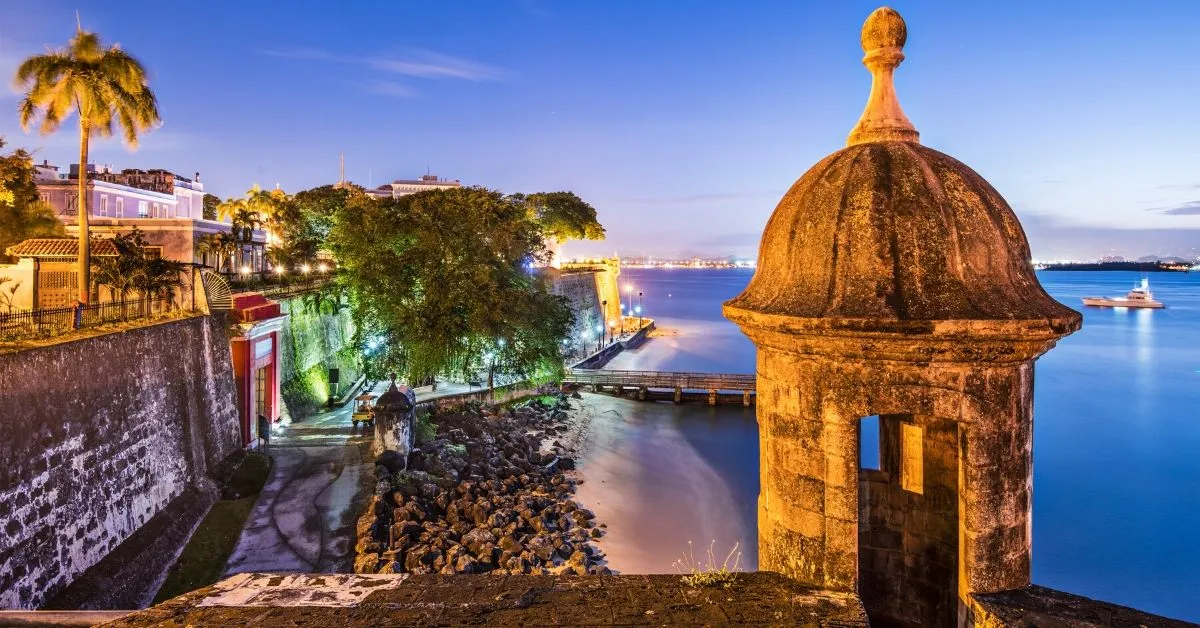
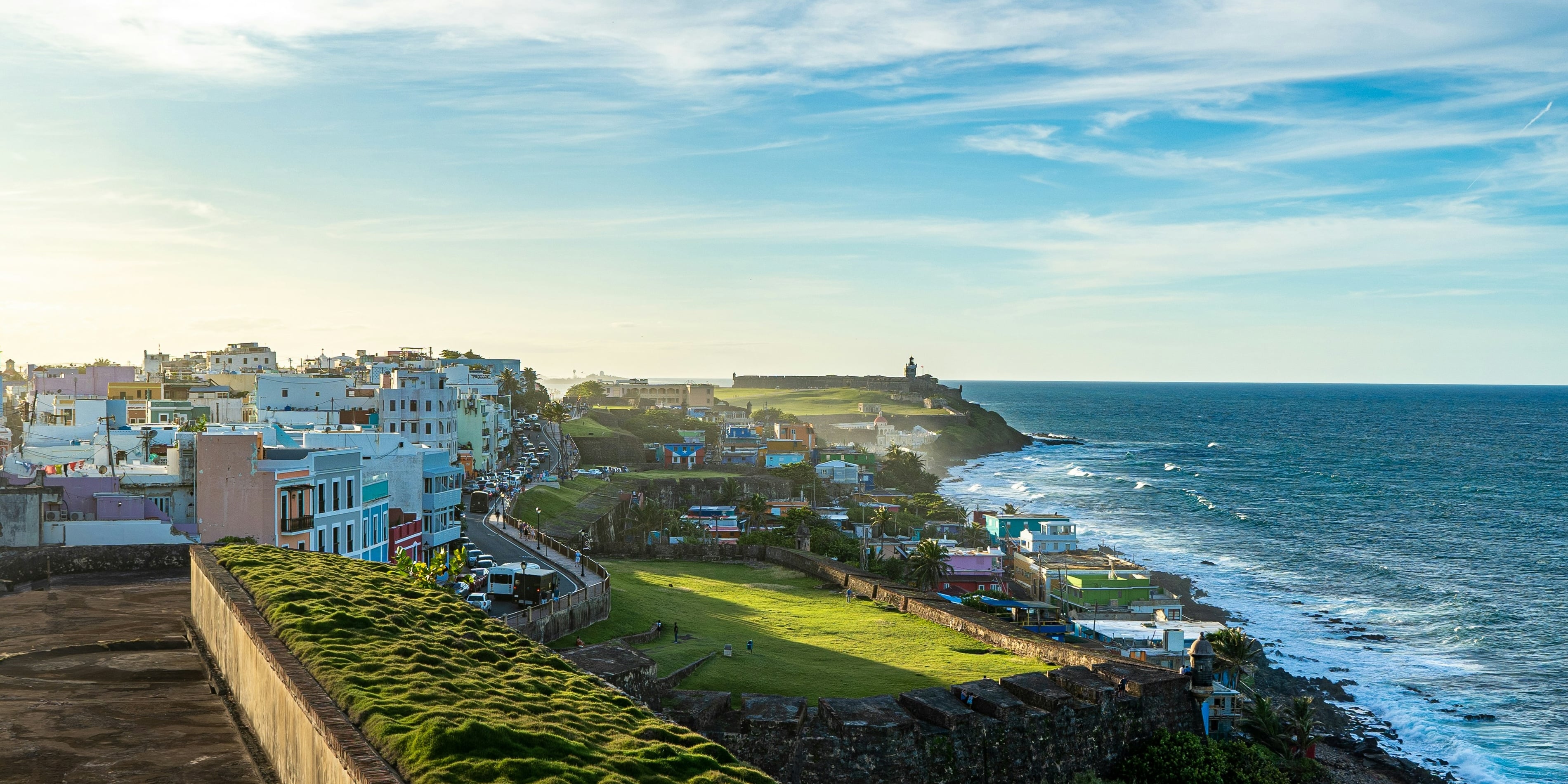
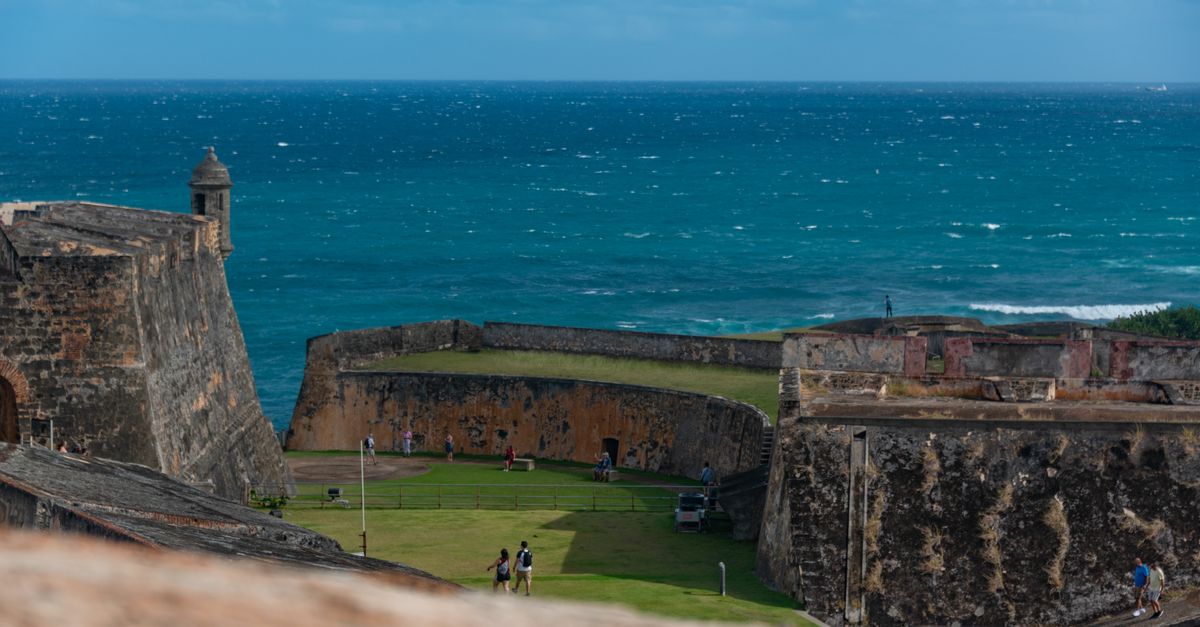
- Old San Juan Forts (El Morro & San Cristóbal): Walk the cobblestones and learn about colonial defense.
- El Yunque National Forest: Rainforest hikes, waterfalls, and panoramic views.
- Ponce’s Plaza Las Delicias: Historic center with the iconic Parque de Bombas.
- La Fortaleza & Casa Blanca: Puerto Rico’s governor’s residence; free tours available.
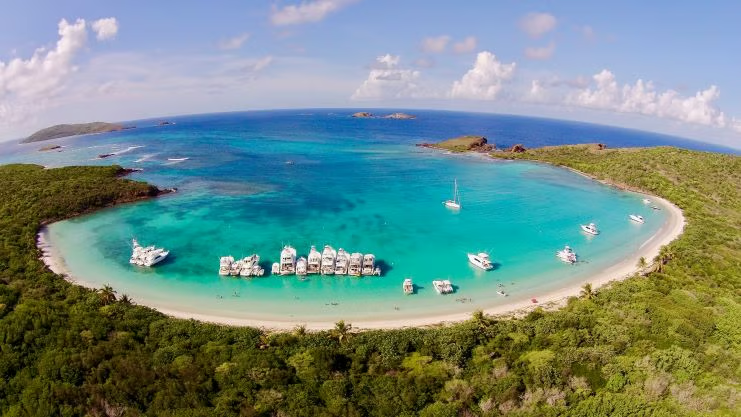
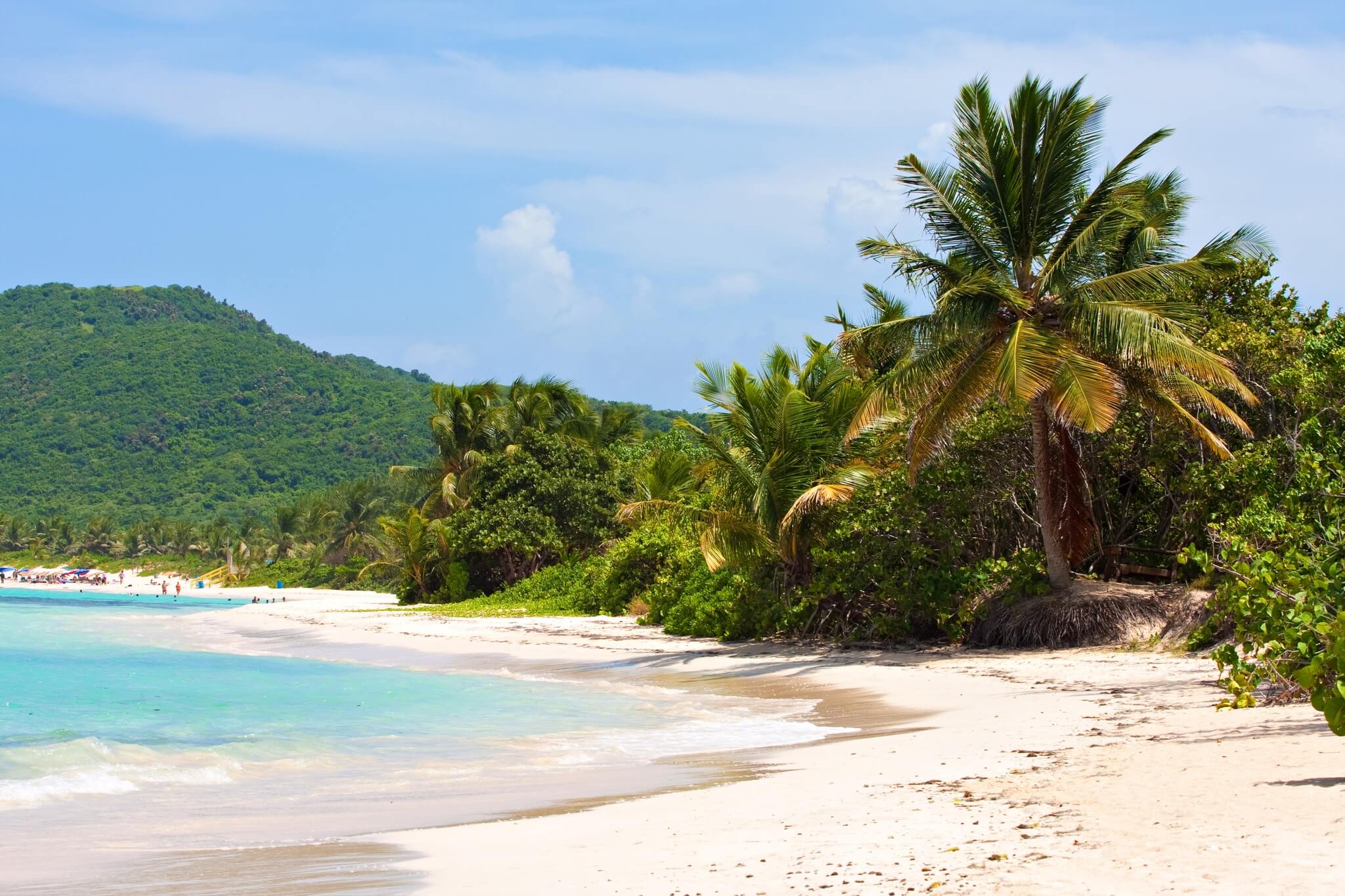
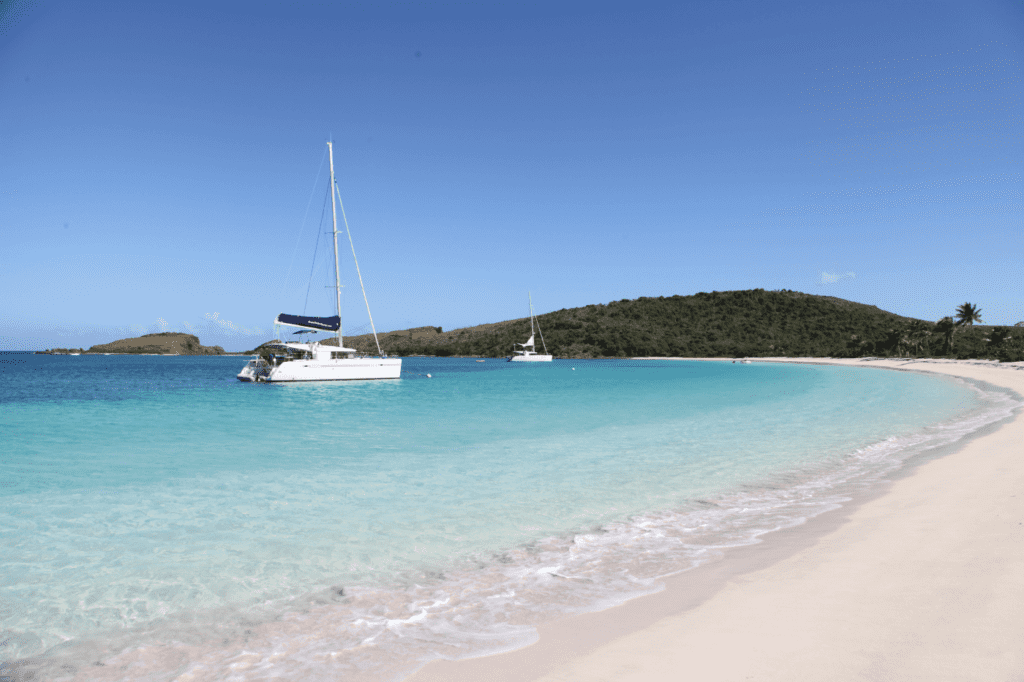
- Culebra & Vieques Beaches: Bioluminescent bays and white sand—book a day trip or stay overnight.
- Maricao State Forest: Cloud forest, coffee farms, and hiking trails.
- Art Museum of Puerto Rico (Museo de Arte de Puerto Rico): Classic and contemporary works spanning centuries.
- Street Art Tours in Santurce: Murals by local artists like Vico and Tino.
- Coquí Soundscape Experience: Nighttime tours that showcase the island’s nocturnal chorus.
- Local Markets (Mercado de Santurce): Fresh produce, crafts, and street food stalls.
Top Puerto Rico Art Highlights:
- Museo de Arte de Puerto Rico: Houses over 2,000 pieces from the 16th century to today.
- Casa Bacardi Rum Museum: A mix of history and interactive exhibits.
- Local Artisan Workshops: Pottery, weaving, and jewelry—many offer hands‑on sessions.
- Public Murals: Check the Santurce mural map; each piece tells a story of identity.
- Music Venues (El Nuevo Café): Live performances from salsa to indie rock.
How to Experience Art on a Budget
Many museums offer free admission on specific days or hours—consult their websites before you go. For street art, consider a self‑guided walk using the Santurce mural map; it’s a great way to see dozens of works without spending a dime. If you’re interested in local crafts, visit artisan workshops during the late afternoon when artisans are typically preparing for evening sales.
Beyond the Main Attractions
The island’s hidden gems—like the abandoned sugarcane railways turned hiking trails near Culebra or the quiet chapel of San José in Arecibo—provide a slower, more contemplative pace. These spots are often accessible by public transport or short rideshares and offer an intimate glimpse into Puerto Rico’s layered history.
4. Immersing in Puerto Rico Communities: Food, Family, and Local Life
The real essence of the island is found outside tourist hotspots—in barrios, small towns, and family‑owned establishments.
Community Experiences Worth Visiting:
- Toa Alta’s Coffee Tours: Learn about Puerto Rican coffee cultivation and taste fresh brews.
- Isabela’s Surf Culture: Catch waves at Punta Lobos; local surf shops offer rentals.
- Culebra’s Town of Culebra (Fajardo): Experience a tight‑knit community with weekly fish markets.
- Ponce’s La Guancha Boardwalk: Evening strolls, street vendors, live music.
- Río Piedras’ Artisans Market: Handcrafted goods and local food stalls.
- Mayagüez’s Plaza de la Cultura: Cultural events, theater performances, and art exhibitions.
- Arecibo Observatory: Educational tours; learn about science and local history.
- Local Family Restaurants (e.g., La Estación): Authentic dishes served in a homey setting.
- Community Festivals (Fiesta de la Calle San Sebastián): Participate in parades, music, and dance.
When I stayed with a host family in Mayagüez, they invited me to their weekly Sunday potluck. The conversation was less about tourism and more about local politics, cuisine, and the future of Puerto Rican arts—an experience that would have been impossible without stepping into a community setting.
What’s your favorite Puerto Rico community experience, and why?How to Connect Respectfully with Locals
In many barrios, the best way to learn about daily life is by simply asking for recommendations—whether it’s a hidden café or a local fishing spot. A polite “Buenas tardes” followed by a question often opens a dialogue that can lead to impromptu tours or shared meals. When visiting markets, observe the vendors’ rhythms; most prefer cash and appreciate a quick but friendly chat about their produce.
Food as Cultural Storytelling
Beyond classic dishes, regional variations tell stories of migration and adaptation. In Ponce, you’ll find “tostones con mojo” that reflect African influences, while in Mayagüez the “alcapurrias de mariscos” showcase Spanish and Taíno flavors. Sampling these local specialties is like tasting a chapter of Puerto Rico’s history.
By immersing yourself in community life—whether through food, festivals, or simple conversations—you’ll gain insights that no guidebook can offer. These experiences not only enrich your trip but also foster lasting connections and a deeper appreciation for the island’s vibrant soul.