What Are the Best Scenic Drives in Puerto Rico for a Family Road Trip?
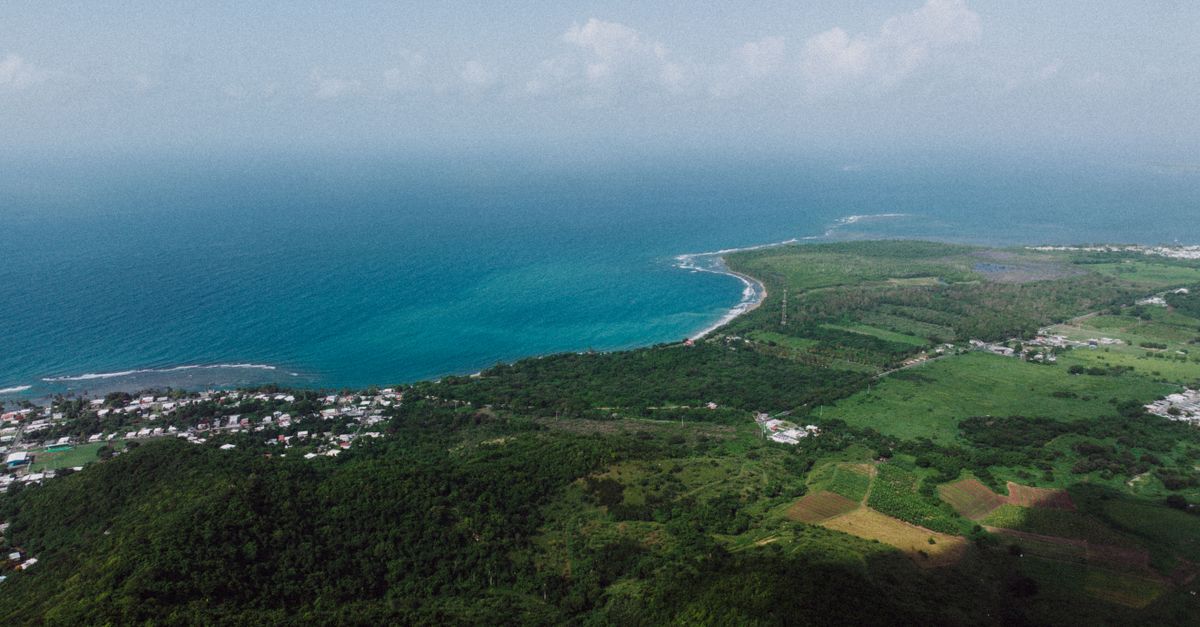
I’ve spent over a decade exploring places where landscapes tell stories. Puerto Rico’s lush mountains, rugged coastlines, and historic towns offer drives that feel like adventure chapters. In this review I’ll guide you through the top routes, key stops, timing tips, budget considerations, and how to pair these drives with local literature for added depth.
1. Overview of Puerto Rico Scenic Drives
The island’s geography splits into three main regions: mountainous interior (sierra), central plateau, and coastal plains. Each offers distinct experiences:
- Mountain Routes: winding roads with elevation changes, cooler temperatures, and dramatic vistas.
- Cultural Corridors: paths through historic towns, colonial architecture, and museums.
- Coastal Drives: flat highways hugging the sea, ideal for sunrise or sunset views.
Plan stops every 30–45 minutes to balance kids’ energy with adults’ desire for uninterrupted scenery. Mark favorite viewpoints on Google My Maps to turn the journey into a living scrapbook.
2. Must‑Visit Routes and Key Stops
A. Ruta de los Volcanes (PR-52)
This highway runs from San Juan eastward through the Cordillera Central, passing near El Yunque National Forest. Highlights:
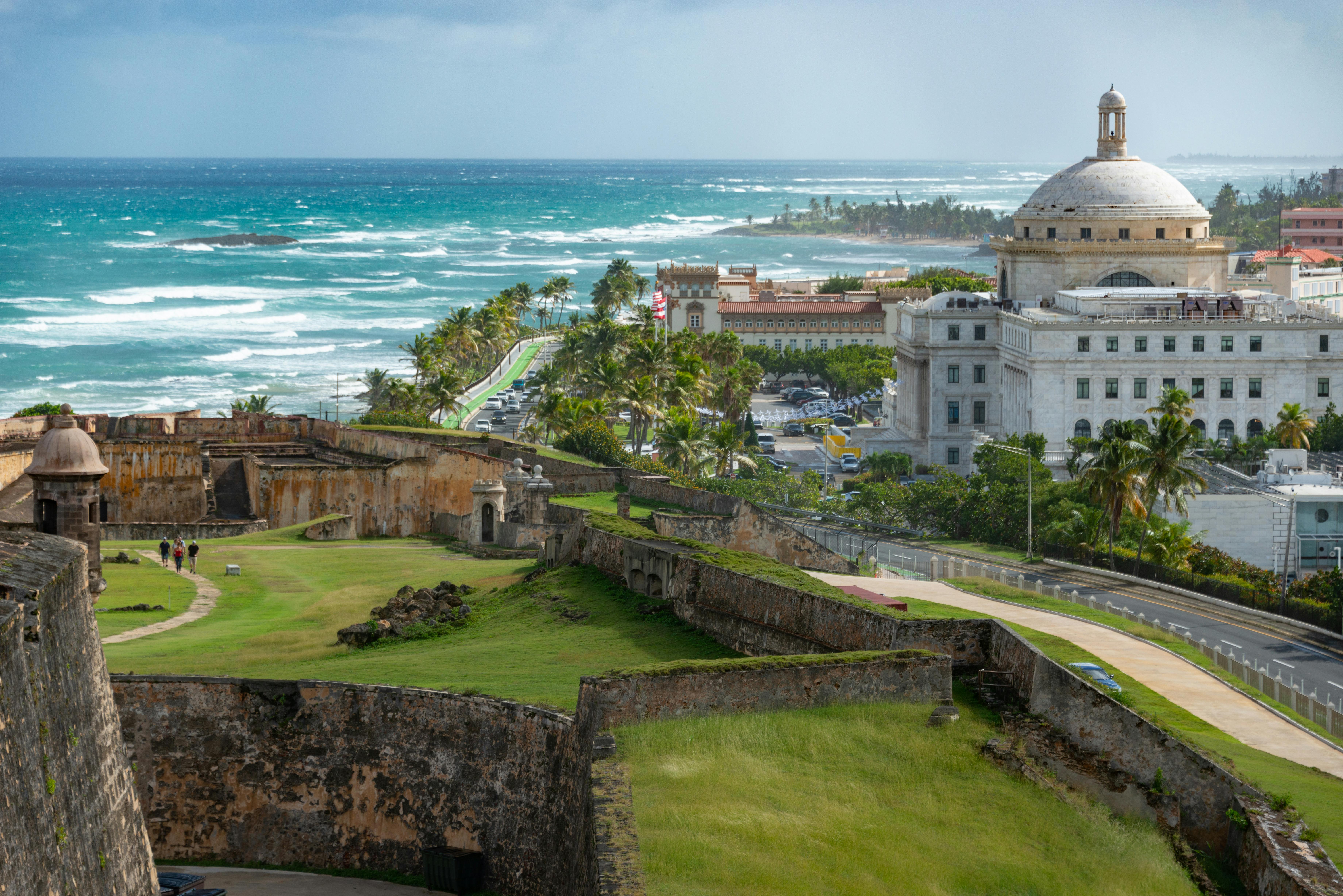
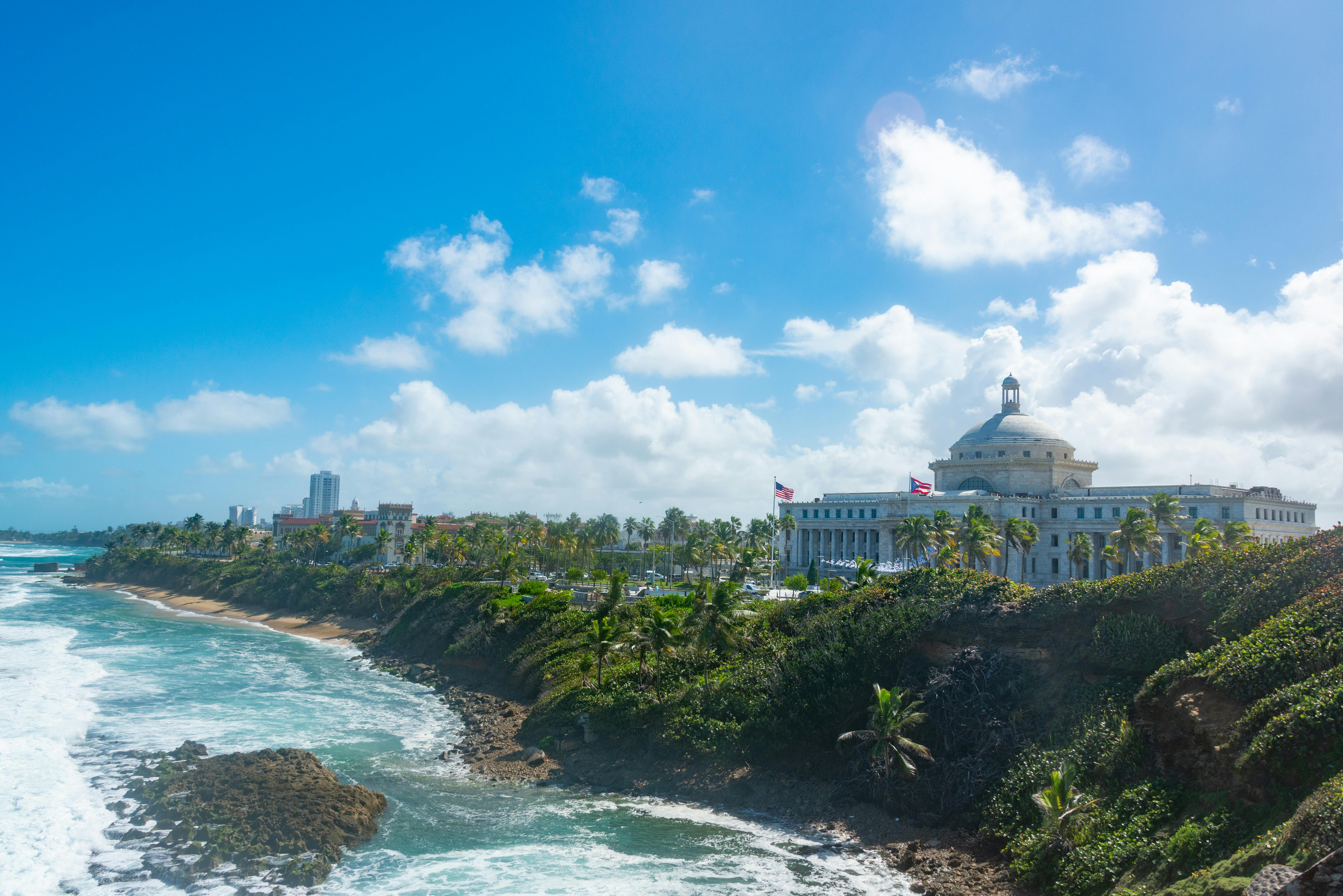
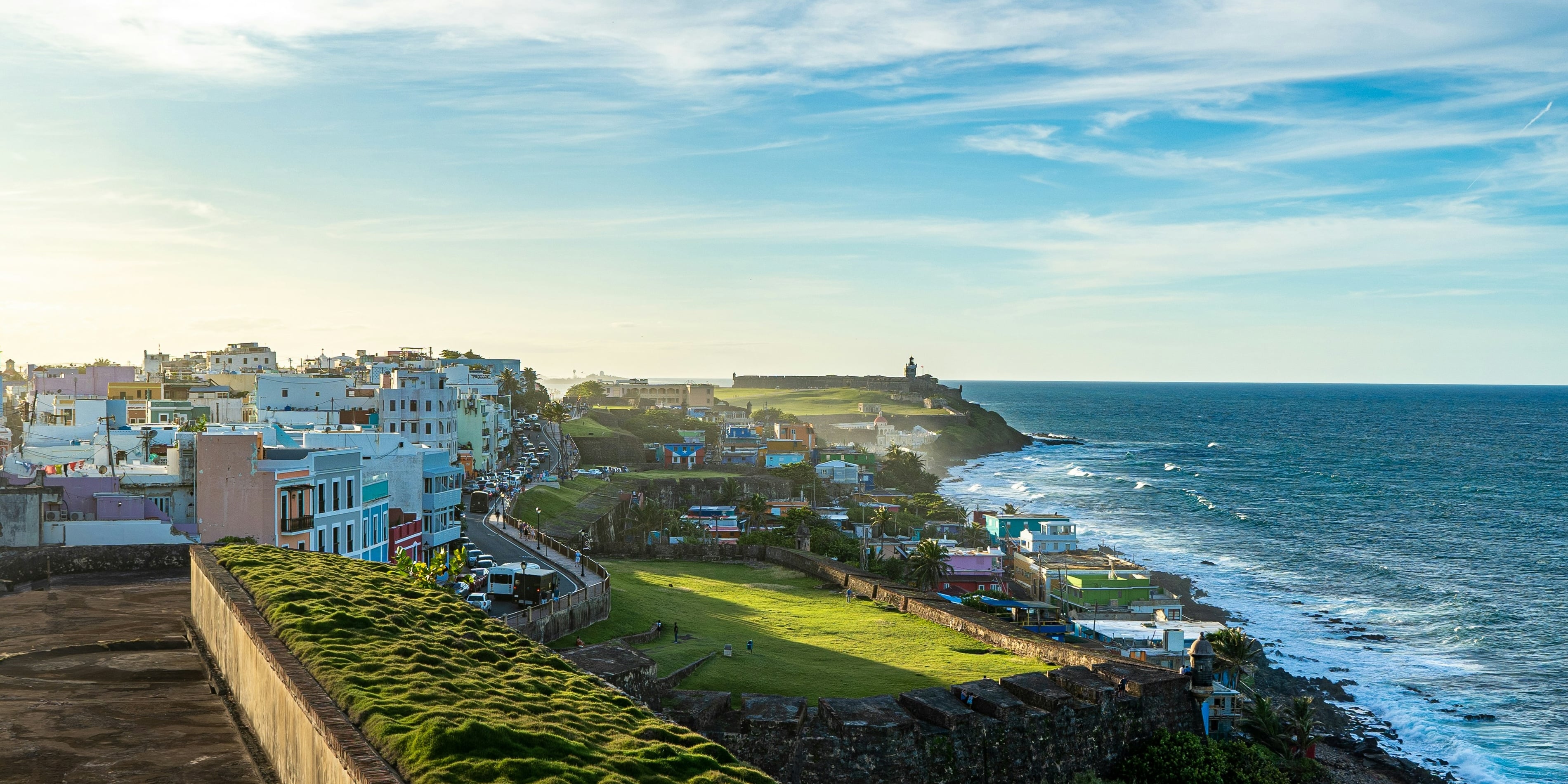
- El Morro Viewpoint: quick detour to historic fortifications and panoramic views of San Juan Bay.
- Yunque Trailhead: stroller‑friendly walk through tropical rainforest.
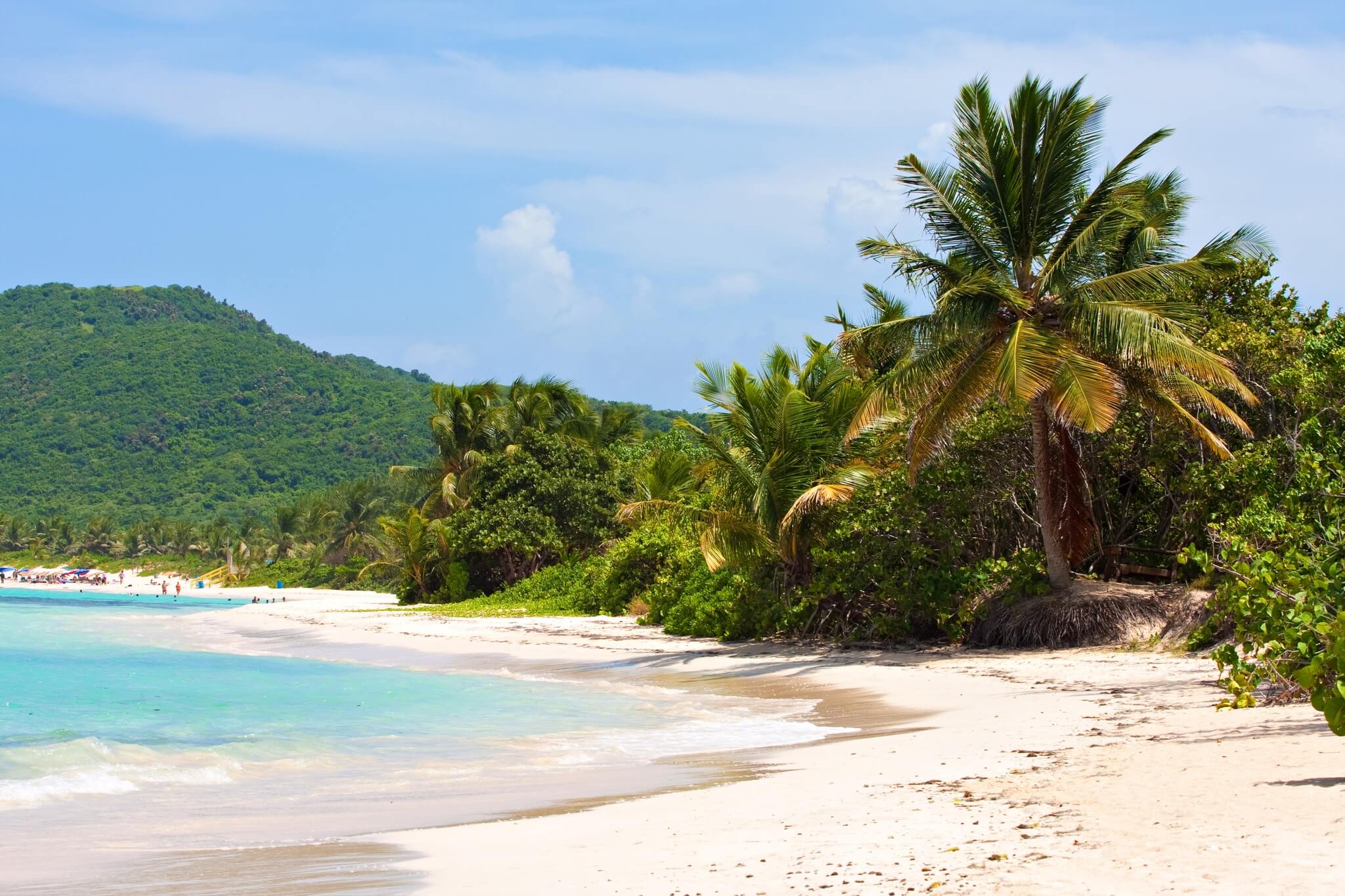
- Carolina Beach: beach break before the highway climbs higher; grab a local snack from kiosks and let kids play on the sand.
After Carolina, stop at Café de la Fe for fruit smoothies that keep everyone hydrated during the climb. Several scenic pull‑outs capture misty peaks of the Sierra Central.
B. Ruta del Recuerdo (PR-139)
A north–south drive through rural interior, offering panoramic views of coffee plantations and rolling hills.
- Ponce Historic Zone: colonial architecture and local markets; great for a lunch break with fresh tropical fruit.
- Cafecito Stop: sample locally roasted Puerto Rican coffee in a family‑friendly café.
- Barranquitas Hilltop: sunset view over the valley; bring a blanket for a quick picnic as the sky turns pink.
The route passes villages where you can observe traditional craftsmanship. A detour to La Calleja de los Tambores offers live music that adds rhythm to your journey.
C. Ruta de la Costa Norte (PR-2)
The northern coast’s main artery, ideal for sunset drives and beach hopping.
- Manglao Beach: soft sand and gentle waves make it safe for kids.
- Paseo del Caribe Museum: interactive exhibits on marine life; children engage with hands‑on displays that explain coral ecosystems.
- Cabo Rojo Lighthouse: iconic photo spot at dusk; the tower offers a 360° view of the Atlantic, and the surrounding park has picnic tables for families to relax after the drive.
A hidden gem along PR‑2 is Lajas Beach, where waves break against volcanic cliffs—excellent for photography enthusiasts. Keep an eye on weather; sudden squalls can turn the sea into a playground for adventurous kids.
D. Comerio Puerto Rico Trail (PR-1)
A lesser‑known route that meanders through rural heartland, connecting small villages and historic churches—great for those who want local life away from tourist crowds.
- San Lorenzo Church: architectural gem with frescoes; the bell tower offers a panoramic view of surrounding farms.
- Local Farm Market: fresh produce and artisanal goods; try homemade cheese for a quick snack.
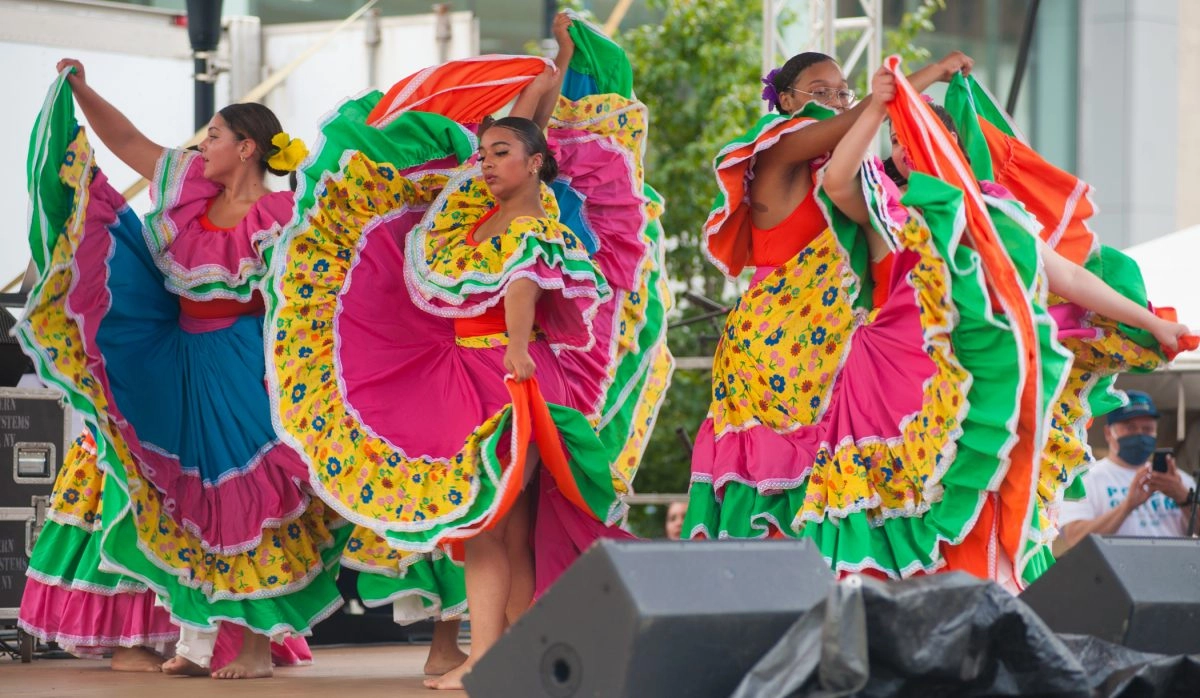
- Traditional Puerto Rican music performances in small cafés: impromptu shows provide an authentic cultural experience not found on more commercial routes.
The relaxed pace lets families savor each moment. Pack a portable speaker so children can dance along with local rhythms during stops.
3. Planning a Road Trip Itinerary
A realistic schedule reduces stress and maximizes enjoyment. Follow this step‑by‑step approach:
- Select 1–2 primary routes. Focus on a single corridor to avoid backtracking; keeps travel time efficient.
- Map out stops every 30–45 minutes. Include restrooms, food, and scenic viewpoints. Plan for a 10‑minute break each hour if the vehicle is fully loaded.
- Allocate 3–4 hours for each major segment. Allows time for spontaneous detours, photography breaks, or extended lunch stops.
- Set a nightly arrival window. Aim to arrive before 8 p.m. to avoid late‑night driving fatigue and give kids time to unwind.
A sample four‑day itinerary might look like this:
- Day 1 – San Juan to Carolina (PR-52): depart at 9 a.m.; stop at El Morro by 11 a.m.; lunch in Carolina; sunset at the beach.
- Day 2 – Carolina to Ponce via PR‑139: morning coffee stop; midday visit to historic Ponce; evening picnic on Barranquitas Hilltop.
- Day 3 – Ponce to San Juan along PR‑1: leisurely drive through rural villages; afternoon at the local farm market; return to San Juan for a beach dinner.
- Day 4 – Coastal exploration (PR‑2): early departure to Manglao; lunch near Paseo del Caribe; sunset at Cabo Rojo before heading home.
The key is flexibility—plan hard but be ready to skip a stop if traffic or weather dictates. A simple “plan B” list of nearby attractions keeps the drive smooth when unexpected changes arise.
4. Literature and Cultural Insights Along the Drive
The island’s literary heritage can enrich any road trip. Quick reads that tie into specific routes:
- “The Old Man and the Sea” by Ernest Hemingway (Puerto Rico edition): read while passing the coastal highway; it echoes the sea’s moods.
- “Cuban Coffee” by Carlos Ruiz Zafón: novella set in rural Puerto Rico, perfect for interior routes.
- “The Fire Next Time” by James Baldwin (Puerto Rico translation): offers social context relevant to historic towns like Ponce.
For younger readers, try short story collections featuring local folklore—such as The Legend of the La Palo Verde. A shared reading session at a scenic stop transforms a simple drive into an immersive narrative experience. With older teens, discuss how each book’s themes parallel the landscapes you’re traversing.
5. Practical Tips for Family Travel
A. Vehicle Preparation
- Tire Check: ensure proper inflation; mountain routes demand more from tires.
- Emergency Kit: spare bulb, first aid, water, snacks, flashlight, and a small blanket for delays.
- Seat Covers: protect upholstery from pet hair or beach sand; waterproof covers ease cleanup after a beach stop.
- Navigation System: update GPS with latest maps of Puerto Rico; offline maps are handy in spots with spotty reception.
B. Kid‑Friendly Activities
- Scavenger Hunt Cards: list natural features to spot—“a blue bird,” “an old stone bridge,” or “a sweet‑smelling flower.” Kids love the challenge.
- Portable Games: board games, card packs, or travel‑size puzzles keep little ones occupied during longer stretches.
- Storytelling Sessions: share local legends at each stop; e.g., tell “La Sirenita” near Manglao Beach.
- Photography Assignments: give kids a disposable camera or ask them to take pictures on their phone; later create a family photo album.
C. Pet Considerations
- Breaks every 2 hours: allow dogs to stretch and relieve themselves; many rest stops along PR‑52 have pet‑friendly areas.
- Water and Treats: keep a small supply in the back seat; avoid overfeeding during stops to prevent upset stomachs.
- Use Old Lady’s favorite chew toy at rest stops to reduce anxiety; familiar scent calms nervous pets.
- Pet‑Friendly Accommodations: plan lodging with pet policies in advance—many family hotels offer free pet beds and outdoor play areas.
A well‑structured routine keeps everyone engaged and reduces cabin fever. A quick “road trip bingo” card can add surprise and excitement for the whole family.
6. Budget Considerations
Traveling by car is cost‑effective if you manage fuel, lodging, food, and incidental expenses wisely:
- Fuel Estimate: Puerto Rico averages 200 km per tank at $3.50/gal; expect roughly 10–12 gallons per day on a mixed route.
- Lodging: mid‑range hotels average $120/night, but vacation rentals or family suites can offer more space for $90–$110/night. Look for properties with kitchenettes to save on meals.
- Food: local eateries cost around $15 per person per meal; packing snacks such as fruit, granola bars, and sandwiches reduces reliance on tourist spots.
- Parking & Tolls: most highways have free parking; tolls are minimal on PR‑2 and PR‑52. Using a prepaid toll card can streamline the process.
- Entertainment: many museums or parks offer free days for families—check their websites before arrival.
A typical 5‑day trip for a family of five might range between $1,500–$2,200. Adjust based on your preference for luxury or budget accommodations; early booking often yields significant discounts.
7. Final Thoughts
Puerto Rico’s scenic drives offer more than just views—they provide a canvas where history, culture, and nature intersect. By selecting the right routes, planning strategically, incorporating local literature, and preparing for family dynamics, you can craft an itinerary that feels both adventurous and manageable.
Key Takeaway: The most memorable drives balance scenic beauty with accessible stops and cultural enrichment; this keeps every family member engaged throughout the trip.In my experience, the difference between a good road trip and a great one lies in details—timing, preparation, and the willingness to improvise when nature calls. Keep an open mind: sometimes the best moments happen when you deviate from the plan, whether it’s stopping for a surprise view or discovering a local festival on a side street.
What is your family’s favorite type of scenic drive: mountainous, coastal, or cultural? Share your experiences below!