
What Are the Key Differences Between Plena Music and Salsa in Puerto Rico?
Puerto Rico’s musical heritage is a vibrant tapestry woven with rhythms that echo from the streets of Bayamón to the studios of Arecibo. If you’re planning a trip or simply curious about how Plena music contrasts with salsa, this review will give you clear observations, pros and cons, and actionable takeaways.
1. The Puerto Rican Music Landscape in 2026
In 2026, Puerto Rico remains a hub for Latin music innovation. While reggaetón and urban trap dominate charts worldwide, traditional genres like Plena and salsa continue to thrive locally. Both styles coexist within the same cultural ecosystem, yet they serve different purposes: Plena as communal storytelling, salsa as dance‑centric performance.
Tourists often mistake the two because of overlapping percussion and brass sections. Understanding their distinct roots helps you appreciate each experience on its own terms.
Key Points
- Plena originated in the 19th‑century fishing communities of Bayamón.
- Salsa evolved from New York’s Puerto Rican diaspora, blending mambo and son.
- Both genres use clave rhythms but differ in tempo and lyrical focus.
- Modern festivals showcase both styles side by side.
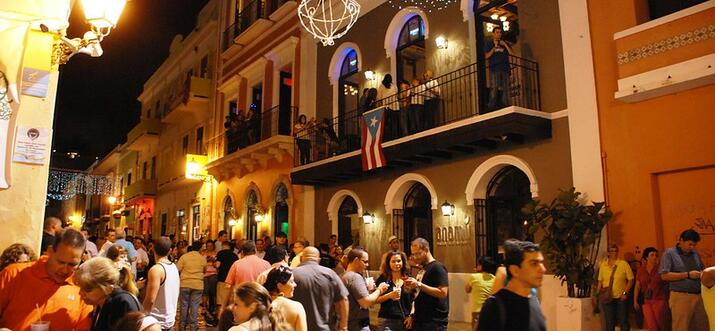
Beyond the festival circuit, you’ll find Plena and salsa embedded in everyday life. Local radio stations still air classic plena reels during morning drive times, while salsa playlists dominate nightclubs across San Juan’s Isla Verde district. Streaming platforms have made it easier than ever for visitors to sample authentic tracks before arriving, giving a taste of how each genre sounds on the island’s vibrant soundscape.
2. Plena Music: History & Characteristics
Plena is often called “the radio of the sea.” It began as a folk narrative form where fishermen sang about daily life, weather, and local lore. By the 1970s, urbanization brought Plena into city venues, preserving its authenticity through community gatherings.
Essential Elements of Plena
In my experience attending a Bayamón plaza festival, I noticed that each performance starts with a call‑and‑response chorus before the full band joins in.- Instrumentation: Tumbadoras (small drums), güiro, maracas, and trumpet.
- Rhythm: 4/4 clave pattern, moderate tempo (~110–120 BPM).
- Lyrics: Storytelling, often humorous or socially conscious.
- Performance style: Intimate, audience participation encouraged.
Plena’s roots can be traced back to the Spanish canción de la mar, a tradition of sea shanties that evolved into a uniquely Puerto Rican form. The genre's storytelling nature means that each song is almost an oral history, preserving local events and gossip for generations. When you listen to Plena in person, you’ll hear the subtle interplay between the trumpet’s melodic line and the rhythmic drive of the tumbadoras, creating a soundscape that feels both grounded and buoyant.
3. Salsa in Puerto Rico: Evolution & Energy
Salsa’s roots trace back to Cuban son and mambo but were reshaped by Puerto Rican musicians in New York during the 1960s. In Puerto Rico, salsa became a symbol of urban pride and dance culture.
Salsa is more about the groove that makes people move than the narrative content.Core Components of Salsa
- Instrumentation: Piano, congas, timbales, bongos, trumpet section, and sometimes saxophones.
- Rhythm: 2-3 clave patterns with syncopated accents; tempo ranges from 120–140 BPM.
- Lyrics: Love stories, social commentary, or party themes.
- Performance style: High‑energy dance halls, often featuring call-and-response but focused on the beat.
Salsa’s evolution was fueled by a desire to bring Cuban rhythms back home while infusing them with Puerto Rican flair. Influential artists such as Tito Puente and Celia Cruz turned salsa into an international phenomenon, inspiring local groups that now perform in venues ranging from small cafés to massive concert halls. The genre’s danceability means that listeners often find themselves stepping onto the floor, guided by the steady pulse of congas and the bright brass riffs.
4. Comparing Plena vs. Salsa: Rhythm, Instruments, Themes
The most noticeable difference lies in the groove. Plena’s rhythm is steady and storytelling; salsa’s is driving and dance‑oriented. Instrumentation overlaps (both use congas), but salsa incorporates a larger horn section.
Rhythm & Tempo Comparison
- Plena: 110–120 BPM, 4/4 clave, emphasis on narrative timing.
- Salsa: 120–140 BPM, 2-3 clave variations, designed for footwork.
Instrumental Focus
Plena relies heavily on percussion and a single trumpet or trombone. Salsa layers multiple brass instruments with piano syncopation, giving it a richer harmonic texture.
Lyrical Themes
- Plena: Local stories, weather forecasts, humor.
- Salsa: Romantic themes, urban life, political commentary.
While both genres share a common Caribbean lineage, the way they approach rhythm and storytelling diverges sharply. Plena’s “call‑and‑response” format invites listeners to join in, whereas salsa’s focus on syncopation encourages spontaneous dance moves. This fundamental difference shapes how each genre is experienced during live performances.
5. Bayamón’s Role in Plena Production and Festivals
Bayamón is considered the cradle of modern Plena. The city hosts annual “Festival de la Plena” where local bands perform on open plazas. The event attracts both locals and tourists, providing an authentic cultural immersion.
What to Expect at Bayamón’s Festival
- Live storytelling with communal participation.
- Food stalls featuring traditional Puerto Rican cuisine.
- Workshops teaching rhythmic patterns for beginners.
- Opportunity to meet local musicians and learn about their heritage.
The festival usually runs from late afternoon into the early evening, allowing visitors to soak in the sunlit plazas before the lights turn on. Many performers incorporate modern elements—such as electronic loops or contemporary lyrical references—to keep the tradition alive for younger audiences. The atmosphere is relaxed, yet charged with a sense of shared history that only a community-based genre can generate.
6. Arecibo’s Contribution: Salsa, Film, and Cultural Cross‑roads
Arecibo, known for its radio telescope, also plays a pivotal role in Puerto Rican salsa culture. The city hosts the “Arecibo Salsa Night,” where local DJs remix classic tracks. Additionally, Arecibo has become a filming location for indie movies that integrate music scenes into their narratives.
Key Highlights of Arecibo’s Scene
- High‑profile salsa events with renowned Puerto Rican artists.
- Film production studios offering behind‑the‑scenes tours.
- Annual film festival featuring musical performances.
- Collaborations between musicians and filmmakers to create immersive soundtracks.
The synergy between Arecibo’s cinematic ventures and salsa is evident in the way music drives visual storytelling. Many local productions now feature original salsa compositions, turning dance floors into narrative spaces that reflect Puerto Rico’s urban pulse. Visitors who attend a “Salsa Night” often find themselves stepping into an impromptu dance sequence, mirroring scenes they might have seen on screen.
7. Puerto Rico Film: How Music Genres Shape Cinematic Storytelling
Peppered with salsa and Plena, Puerto Rican films often use music to reinforce cultural identity. Directors choose a genre that aligns with the narrative tone: upbeat salsa for party scenes; reflective Plena for poignant moments.
Examples in 2026 Cinema
- “Corazón de Playa” (2025): Uses Plena to underscore coastal life themes.
- “Salsa Nights” (2024): Features salsa tracks during dance sequences.
- Documentaries on Bayamón’s music heritage incorporate live recordings of Plena sessions.
In addition, the island’s independent film community has embraced both genres as tools for cultural preservation. By featuring local musicians in their soundtracks, filmmakers create a sonic authenticity that resonates with audiences worldwide. The result is a cinematic language where rhythm becomes narrative device—Plena narrates, salsa moves the plot forward.
8. Practical Tips for Experiencing Plena and Salsa in Puerto Rico
Whether you’re a casual traveler or an avid music fan, the following checklist will help you navigate both genres efficiently.
Checklist for Tourists
- Research local festivals: Bayamón’s Plena Festival (June) and Arecibo Salsa Night (September).
- Purchase tickets in advance; popular events sell out quickly.
- Arrive early to secure a good spot, especially for open‑air plazas.
- Bring comfortable shoes: salsa dancing requires footwork; Plena is more relaxed.
- Learn basic Spanish phrases related to music (e.g., “¿Dónde está el tambo?”).
- Respect local customs: clap after each chorus in Plena, maintain a respectful distance during dance performances.
- Use public transport or ride‑share for safety; avoid late-night solo travel near venues.
If you’re staying in San Juan, consider renting a scooter to hop between neighborhoods. Many local cafés also host impromptu salsa lessons on weekends, offering an informal way to learn dance steps before heading to a club. For Plena enthusiasts, attending a community “tumbao” workshop is an excellent way to grasp the rhythmic foundations that underpin every performance.
9. Common Mistakes Tourists Make and How to Avoid Them
Even seasoned travelers can fall into pitfalls that diminish their experience. Here’s what to watch out for.
- Misidentifying Genres: Mixing up Plena with salsa can lead to awkward expectations; don’t ask for a “salsa” after hearing a folk narrative.
- Ignoring Time Zones: Some festivals start late at night; check local schedules carefully.
- Lack of Cultural Etiquette: Not clapping or humming along in Plena can be perceived as disrespectful.
- Overlooking Local Vendors: Food stalls are integral to the experience; skip them and miss out on authentic flavors.
- Forgetting to Record: Bring a small recorder or phone for future reference, especially if you plan to study rhythms later.
A frequent oversight is arriving without a local SIM card. Connectivity matters—many venues use QR codes for tickets and live streams that showcase the best performances. Additionally, don’t underestimate the power of a simple “¡Buen ritmo!” When locals hear your enthusiasm, they’re more likely to invite you into the circle.
10. Conclusion: Choosing What Fits Your Travel Goals
If your aim is to immerse yourself in communal storytelling with a laid‑back vibe, Bayamón’s Plena Festival offers an authentic experience. Should you crave high‑energy dance and contemporary salsa beats, Arecibo’s Salsa Night or the city’s club scene will satisfy.
Which Puerto Rican music genre do you think better captures the island’s cultural spirit: Plena’s storytelling tradition or salsa’s dance-driven energy?