
What Should I Know About Moving to Mayaguez, Puerto Rico?
Relocating to a new country is a major decision, and when the destination is Mayaguez, Puerto Rico, you need concrete information about cost of living, culture, business opportunities, and family life. This guide pulls together the most relevant data and practical steps so you can make an informed choice.
1. Overview of Mayaguez, Puerto Rico
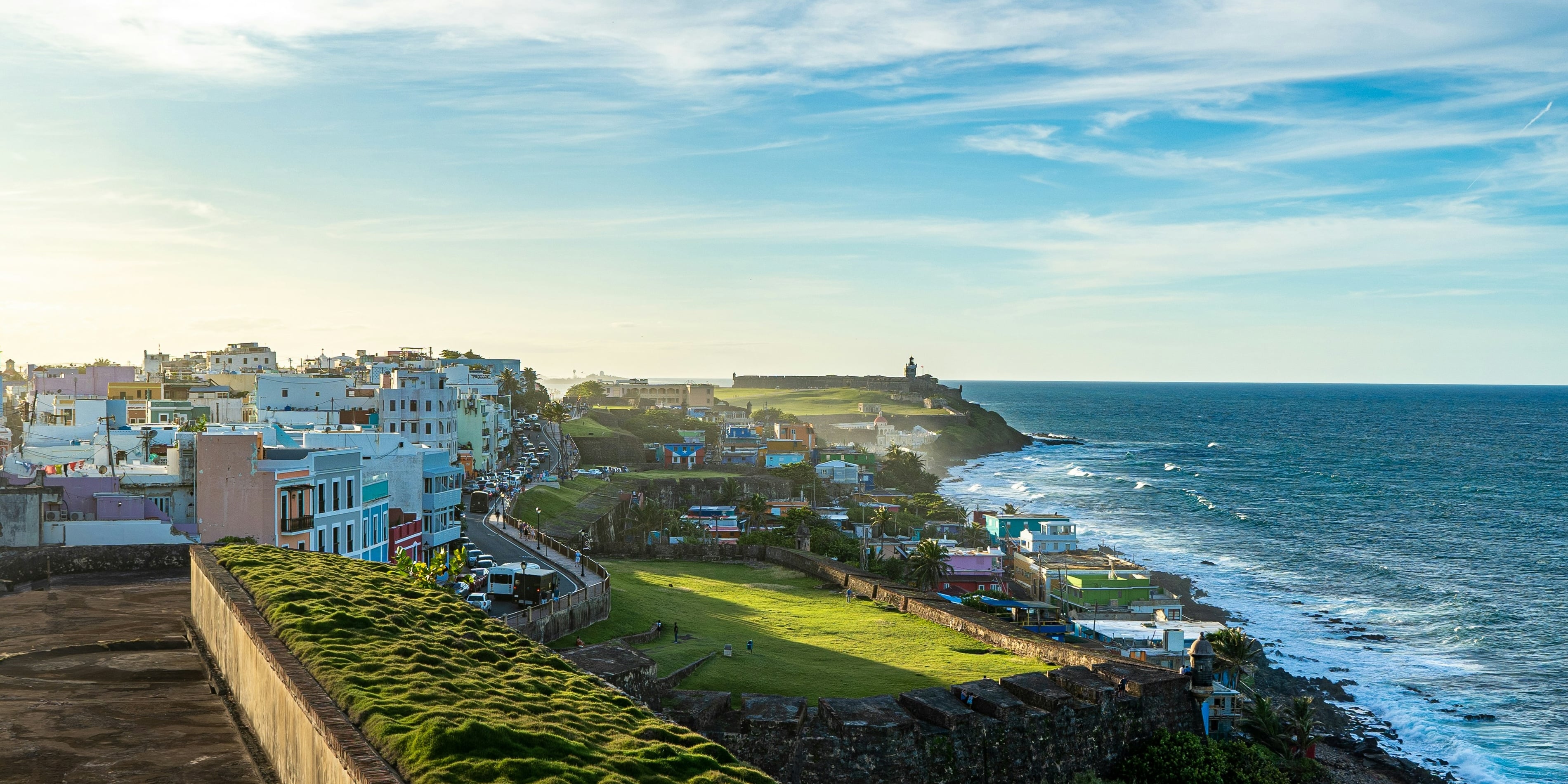
Mayaguez sits on the western coast of Puerto Rico, roughly 80 miles west of San Juan. It is known for its agricultural heritage, vibrant university community (University of Puerto Rico at Mayaguez), and growing tech scene. The city blends historic Spanish colonial architecture with modern infrastructure, making it appealing to entrepreneurs and families alike.
Key facts:
Quick Facts
- Population: ~70,000 (city proper) – 200,000 in the metropolitan area.
- Climate: Tropical; average highs 86°F/30°C year‑round.
- Language: Spanish is primary; English widely understood in business and tourism.
- Time zone: Atlantic Standard Time (UTC‑4), no daylight savings.
- Transportation: Well connected by bus, local taxis, and a regional airport.
These basics set the stage for deeper exploration of what life in Mayaguez looks like.
2. Cost of Living & Housing
The cost of living in Mayaguez is roughly 20‑25% lower than most U.S. metros, but it varies by neighborhood and lifestyle choice. When budgeting, consider housing, utilities, groceries, healthcare, transportation, and entertainment.
Typical Monthly Expenses (USD)
- Rent – 1‑bedroom apartment in city center: $700–$900
- Rent – 3‑bedroom family home outside city core: $1,200–$1,600
- Utilities (electricity, water, internet): $150–$250
- Groceries (per person): $300–$400
- Healthcare (private insurance): $200–$350
- Transportation (public transit monthly pass): $40–$50
While rent is lower, some imported goods can be pricier due to shipping costs. A balanced budget typically falls between $2,500 and $3,200 per month for a family of four.
Public transport in Mayaguez operates on a fixed route system that covers most residential districts; a single ride averages around $1.50, making it a convenient option for commuters. For those who prefer flexibility, taxis are readily available and usually charge a base fare of about $2–$3 with an additional $0.30 per mile.
3. Employment Opportunities & Business Environment
Mayaguez has diversified its economy from agriculture to technology, education, and manufacturing. The presence of the university fuels research collaborations, while local tech parks attract startups focused on software, fintech, and green energy.
- Agriculture & Food Processing: Traditional strength; opportunities for agribusiness ventures.
- Technology & Innovation: R&D centers, incubators, and government incentives for tech startups.
- Education & Training: Teaching positions, tutoring, and curriculum development roles.
- Tourism & Hospitality: Seasonal jobs and permanent openings in resorts, restaurants, and travel services.
- Healthcare Services: Growing demand for medical professionals and private clinic staff.
For entrepreneurs, the Puerto Rico Economic Development Bank offers tax incentives for qualified businesses. If you’re looking to move from a corporate role, consider consulting firms that serve multinational companies operating on the island. Many of these firms maintain offices in Mayaguez’s business districts and often recruit locally trained talent.
4. Cultural Highlights & Traditions
Puerto Rico traditions shape daily life and social interactions. Understanding local customs will ease your transition and enrich family experiences.
- Bacalaitos: Traditional Puerto Rican tamales filled with pork, rice, and spices; often sold at street markets.
- Pina Colada Puerto Rico: The island’s iconic cocktail made from rum, coconut cream, and pineapple juice. Mayaguez offers several renowned spots where locals gather for this refreshment.
- Carnival & Festivities: Annual celebrations featuring music, dance, and parades; the most famous is the Mayagüez Carnival in February.
- Music & Dance: Salsa, reggaeton, and bomba rhythms permeate public spaces; local festivals often showcase live performances.
- Culinary Traditions: Aside from bacalaitos, dishes like mofongo, lechón, and arroz con gandules are staples.
Engaging with these traditions—attending a carnival, sampling local cuisine, or learning basic Spanish phrases—will help you integrate smoothly. In my experience, families who immerse themselves in community events find a sense of belonging faster than those who stay isolated.
The city’s cultural scene also extends to art galleries and theater groups that perform works in both Spanish and English, offering additional avenues for social interaction and creative expression.
5. Education & Family Considerations
Mayaguez hosts several educational institutions suitable for K‑12 and higher education. Parents should evaluate school quality, extracurriculars, and language programs.
- Public Schools: Governed by the Puerto Rico Department of Education; curriculum follows U.S. standards with a bilingual emphasis.
- Private & International Schools: Options include Catholic schools and English‑language academies that offer AP courses.
- Higher Education: University of Puerto Rico at Mayaguez offers diverse majors and research opportunities.
- Extracurriculars: Sports leagues (soccer, baseball), arts programs, and STEM clubs are widely available.
When selecting a school, visit campuses during open houses. Pay attention to teacher‑to‑student ratios, facility condition, and parent community engagement. In my experience, families who involve themselves in school boards or volunteer committees gain early access to resources and support networks. Many schools also host language immersion days, which can be beneficial for children transitioning from a primarily English environment.
6. Practical Steps to Relocate
Moving internationally requires meticulous planning. Below is a step‑by‑step checklist tailored for Mayaguez.
- Legal & Visa Requirements: U.S. citizens do not need visas but must register with the Department of State’s travel services. Non‑citizens should secure appropriate work or residency permits.
- Housing Search: Use reputable real estate agencies; verify lease terms and utility responsibilities before signing.
- Utilities & Services Setup: Contact local providers for electricity (e.g., Puerto Rico Electric Power Authority), water, internet, and garbage services. Some landlords bundle utilities into rent.
- Healthcare Enrollment: Register with a private insurer or public health plan; bring copies of U.S. medical records for continuity of care.
- Banking & Finances: Open a local bank account to avoid high transfer fees; consider international wire services for remittances.
- School Enrollment: Submit required documents (birth certificate, immunization records) ahead of the school year start.
- Community Integration: Join local Facebook groups or expat forums to gather real‑time tips on living in Mayaguez.
Completing these steps before arrival reduces stress and ensures a smoother transition. In my experience, early engagement with local service providers saves time during the critical first month after relocation.
7. Tips for Settling In & Long‑Term Success
Once you’re in Mayaguez, focus on building routines and networks that support personal and professional growth.
- Learn Spanish Basics: Even simple greetings improve daily interactions and signal respect for culture.
- Explore Local Markets: Weekly visits to Mercado Municipal offer fresh produce and a taste of community life.
- Leverage Tech Hubs: Attend meetups at the Innovation Hub to connect with entrepreneurs and investors.
- Stay Active Outdoors: Utilize nearby beaches, hiking trails, and parks for fitness and family bonding.
- Engage in Volunteer Work: Local NGOs provide opportunities to give back while networking.
Consistency in these practices builds a stable foundation. In my experience, families who actively participate in community events report higher satisfaction scores than those who remain detached.
Key takeaway: Mayaguez offers a balanced blend of low cost, vibrant culture, and growing business opportunities—making it an attractive relocation destination for families seeking quality of life without the high price tag of larger U.S. cities.In my experience, planning ahead, embracing local traditions, and cultivating professional networks are the three pillars that ensure long‑term success in Mayaguez.
What is one cultural tradition you’re most excited to explore after moving to Puerto Rico?