What You Need to Know Before Retiring in Puerto Rico in 2026
I’ve spent the last decade building companies and scaling products across continents, but the idea of pausing that grind and retiring somewhere with sunshine, culture, and low taxes has always intrigued me. In 2026 I decided to turn that curiosity into action and explore Puerto Rico as a retirement destination. Below is a straight‑shooting look at what you should consider before making the move.
Why Puerto Rico Is Attracting Retirees in 2026
The island offers a combination of factors rarely found together: a tropical climate, English and Spanish speaking communities, and a tax regime that favors retirees. Section 20 of the Puerto Rican Tax Incentives Act reduces personal income tax to as low as 4% for qualifying residents. That’s a substantial savings compared to many U.S. states.
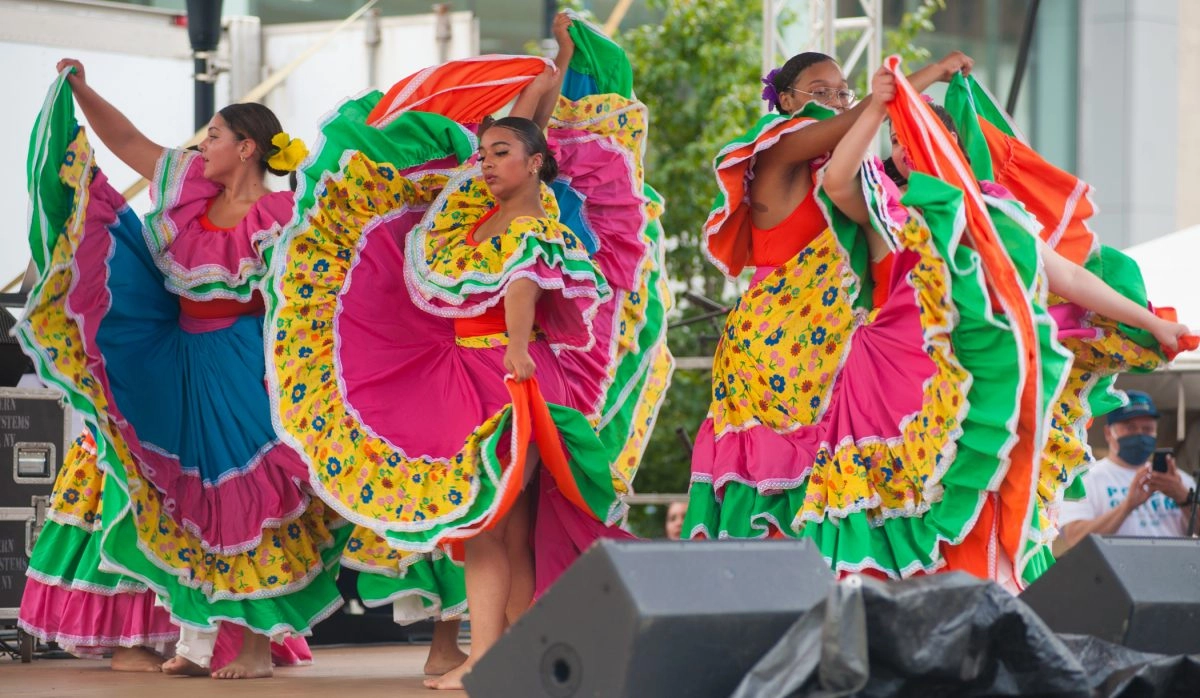
Beyond finances, Puerto Rico has a rich cultural heritage. From salsa clubs in San Juan to traditional *cocina criolla* festivals, the island feels alive all year round. The vibrant music scene—especially Salsa Puerto Rico—provides endless opportunities for social engagement and entertainment.
Healthcare is another major draw. The public system offers free or low‑cost care for residents, while private hospitals meet international standards. For retirees who value access to quality medical services without high premiums, this balance is hard to beat.
Key Factors That Make Puerto Rico Attractive
- Low personal income tax rates (up to 4%)
- English‑Spanish bilingual environment
- High‑quality public and private healthcare
- Year‑round mild climate
- Vibrant cultural scene with salsa, festivals, and historic landmarks
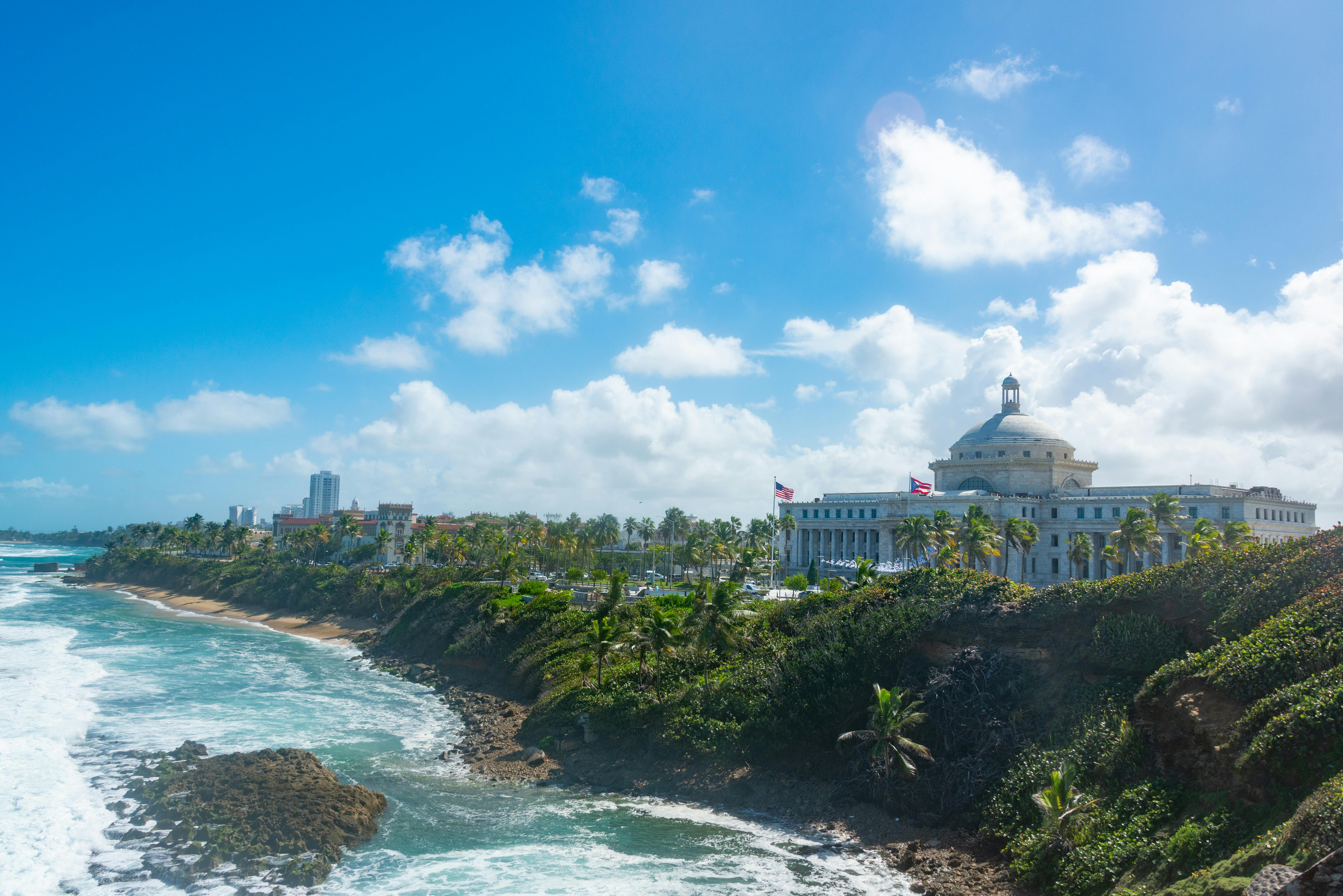
I’ve walked through the old streets of Old San Juan, watched a live salsa band in Condado, and felt the same excitement that many retirees feel when they first step onto an island that seems to blend modern convenience with timeless tradition.
Understanding Tax Incentives and Cost of Living
Puerto Rico’s tax incentives are structured around residency status. You must become a bona‑fide resident by spending at least 183 days on the island each year, filing a U.S. federal return, and demonstrating intent to remain. Once you qualify, Section 20 offers a flat tax rate that can be as low as 4% for ordinary income.
Housing costs vary by location. A modest single‑family home in Caguas might cost $200–$300 per month in utilities, while luxury condos in San Juan can push $800 or more. Compared to the U.S., average living expenses—food, transportation, leisure—are roughly 20–30% lower.
Insurance remains an important consideration. While healthcare is covered by the public system, many retirees opt for supplemental private insurance to access specialized services or international travel coverage. The premiums are competitive and often cheaper than mainland U.S. plans.
Cost Breakdown for a Typical Retiree
- Housing: $250–$800/month depending on location
- Utilities: $100–$150/month
- Food & groceries: $300–$500/month
- Transportation (fuel, maintenance): $80–$120/month
- Healthcare supplemental insurance: $50–$200/month
The bottom line is that the overall cost of living in Puerto Rico is lower than many U.S. states, especially when you factor in tax savings and public services.
Lifestyle: Salsa, Traditions, and Community
One of my favorite aspects of Puerto Rican culture is its music, especially salsa. The island hosts weekly dance nights where locals and tourists alike twirl to the beats of *salsa* and *reggaetón*. It’s a great way for retirees to stay active, meet new people, and immerse themselves in local rhythm.
Puerto Rican traditions extend beyond music into food, festivals, and family values. The annual *Fiesta de la Calle San Sebastián* showcases street vendors, artisans, and live performances that celebrate the island’s heritage. Participating in such events offers a sense of belonging and continuity—something many retirees seek after years in corporate roles.
Community engagement is also straightforward. Neighborhood associations often organize clean‑ups, charity drives, and cultural workshops. As someone who values mentorship and building systems, I found that volunteering at local NGOs helped me build a supportive network quickly.
Top Cultural Activities for Retirees
- Salsa dance classes in San Juan or Ponce
- Attending the annual Fiestas de la Calle in various towns
- Exploring historic landmarks such as El Morro and Castillo San Cristóbal
- Participating in community volunteer programs
- Tasting local cuisine—*mofongo*, *lechón*, and fresh tropical fruits
The blend of music, food, and history creates a daily rhythm that keeps retirees engaged and connected.
Exploring Puerto Rico: Boat Tours and Landmarks
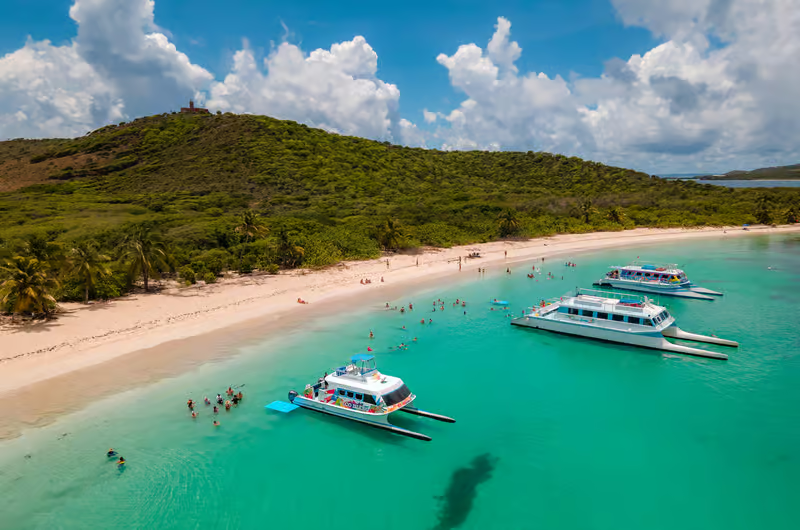
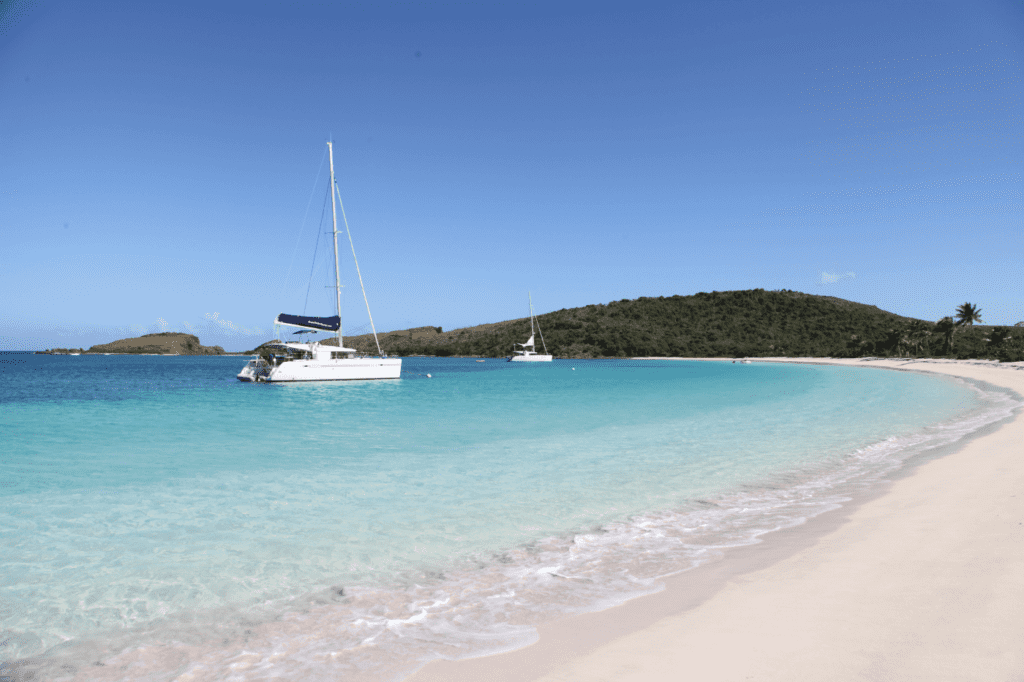
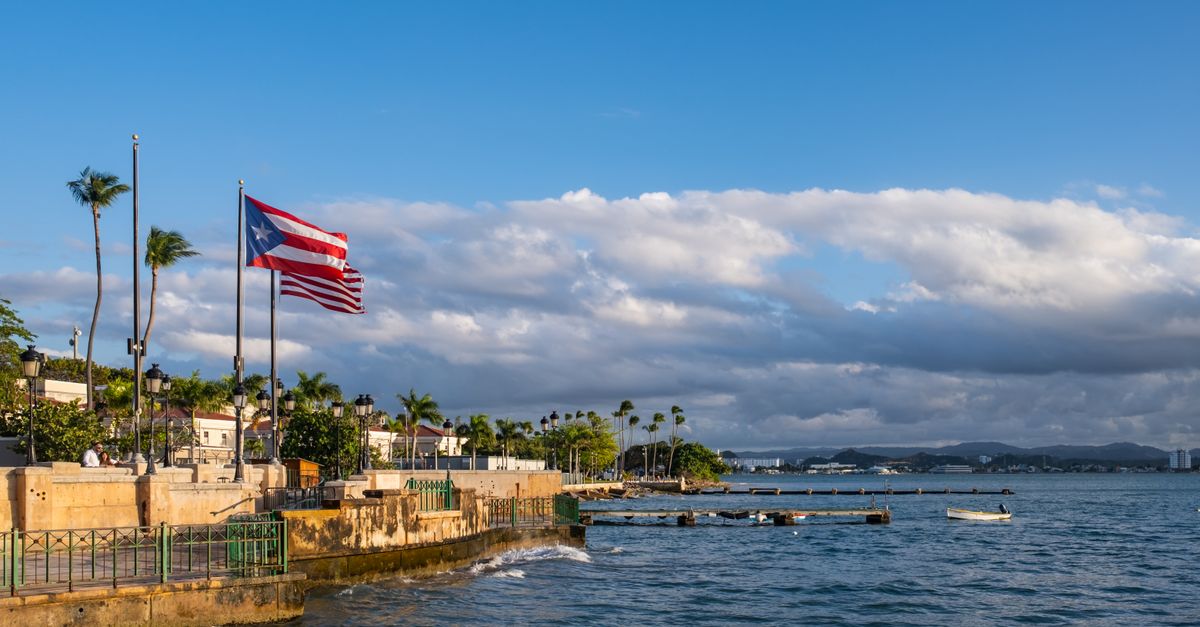
If you love the sea, Puerto Rico offers an array of boat tours that showcase its crystal‑clear waters and hidden coves. From snorkeling in Vieques to sunset cruises around San Juan’s harbor, there are options for every level of adventure.
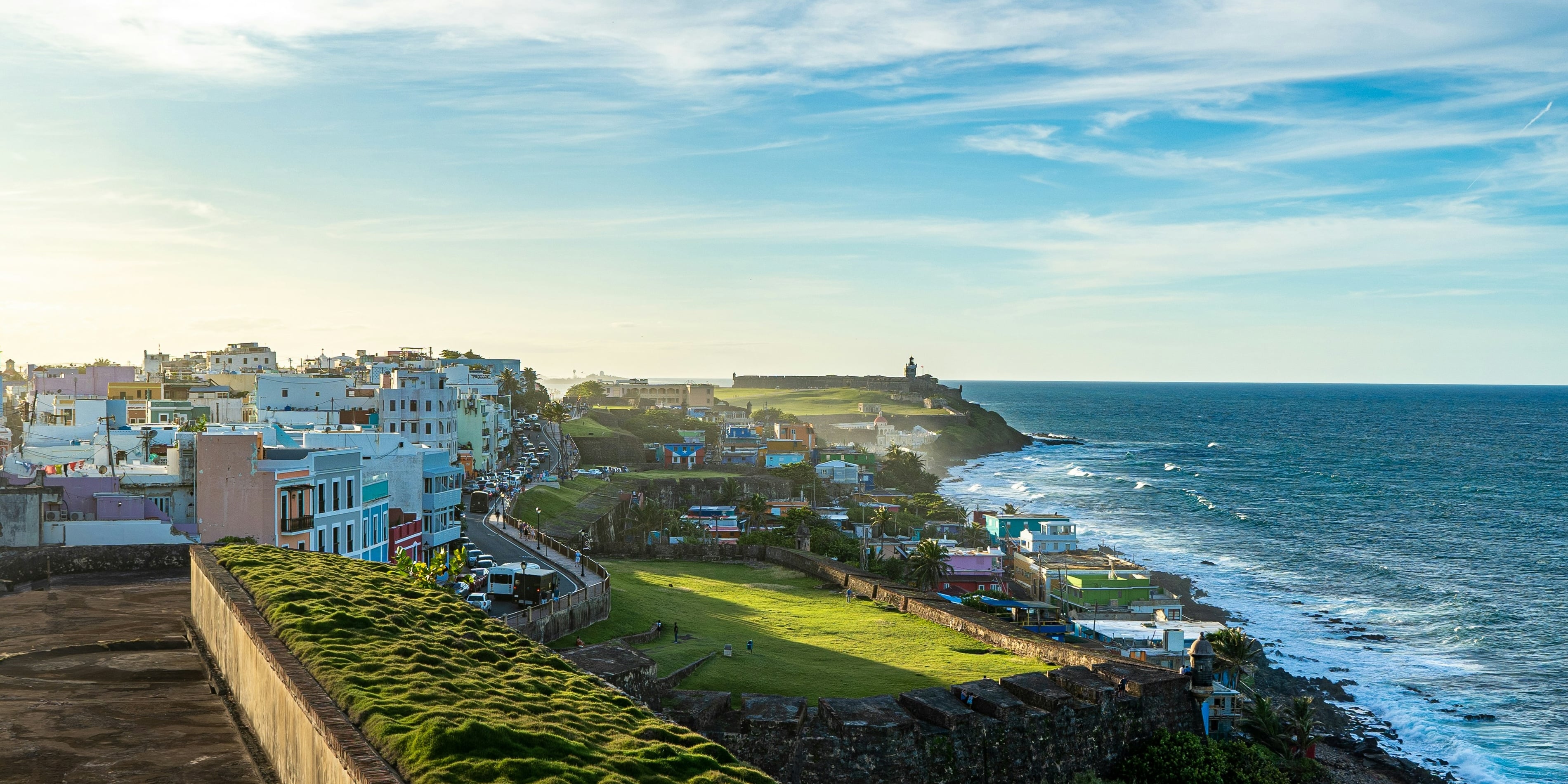
Landmark visits provide a deeper appreciation of the island’s colonial past. The historic fortresses of El Morro and Castillo San Cristóbal offer panoramic views and stories that date back centuries. Walking through these sites feels like stepping into a living museum.
The tourism sector has grown steadily, yet it remains respectful of local traditions and sustainability. Many tour operators use eco‑friendly practices and collaborate with community groups to preserve cultural integrity.
Must‑See Boat Tours & Landmarks
- Sunset cruise from Condado Pier
- Snorkeling adventure in Vieques Marine Reserve
- Cruise around the San Juan Bay for a historic perspective
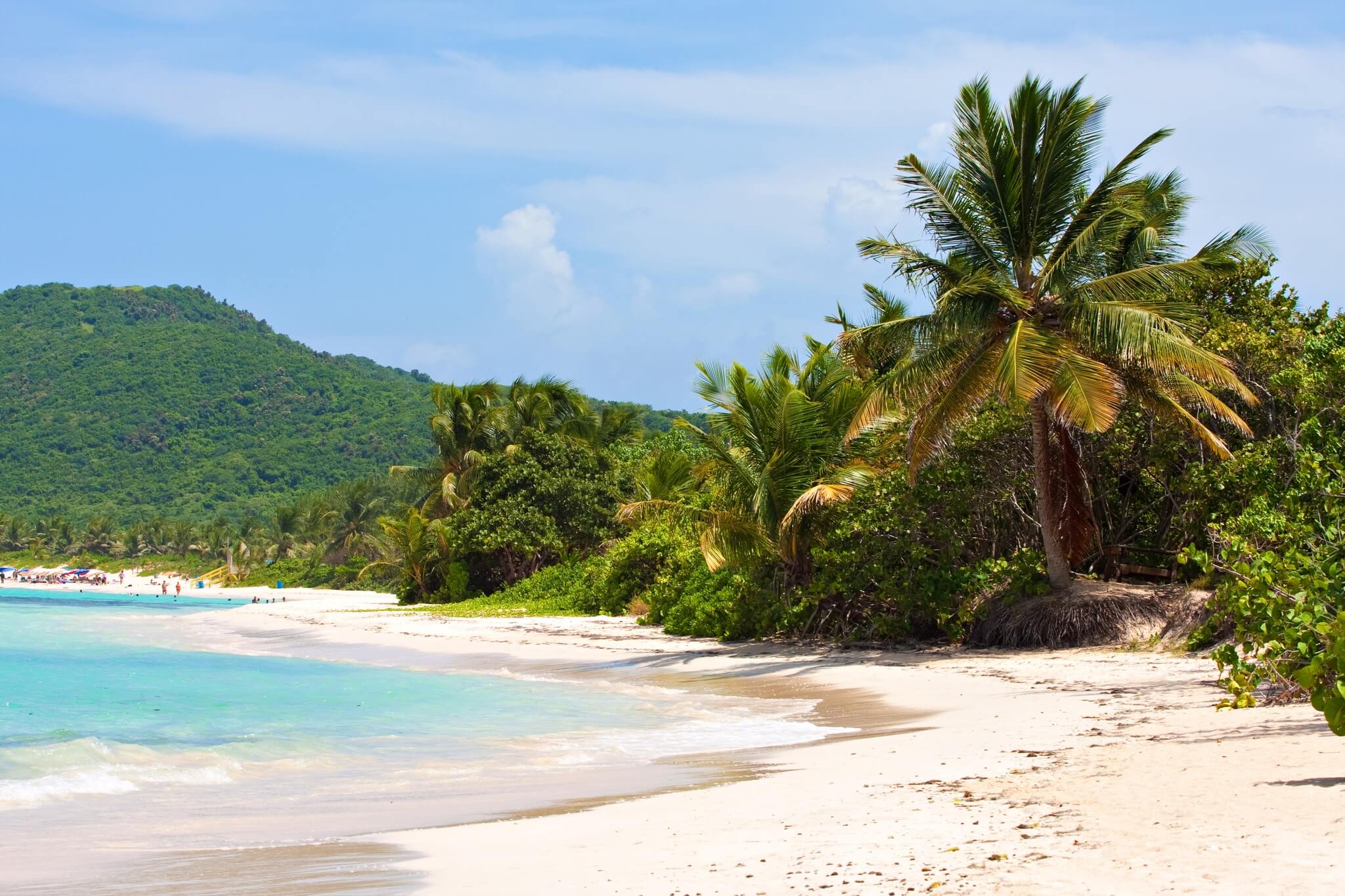
- Explore the beaches of Culebra on a private boat tour
- Visit El Morro and Castillo San Cristóbal for heritage insights
Whether you’re a seasoned sailor or just curious, Puerto Rico’s maritime offerings are both accessible and enriching.
Practical Steps to Retire in Puerto Rico
The first step is establishing residency. You’ll need proof of continuous presence—such as lease agreements, utility bills, and a local bank account—to satisfy the 183‑day requirement.
Next, you must navigate U.S. federal tax filings while claiming Puerto Rico tax benefits. Consulting with a CPA experienced in territorial taxation can prevent costly mistakes.
Healthcare registration involves enrolling in the Puerto Rican Health System (Sistema de Salud). You’ll need to provide identification, proof of residency, and medical records. Once enrolled, you gain access to free or low‑cost services for most routine care.
Checklist Before Moving
- Secure a long‑term lease or property purchase
- Open a local bank account and transfer funds
- Register with the Puerto Rican Health System
- Consult a CPA on Section 20 tax benefits
- Arrange transportation: consider buying a car or using public transit
- Join community groups to build social connections
By following these steps, you’ll transition smoothly and avoid common pitfalls such as misinterpretation of residency rules or overlooking local health enrollment.
Personal Reflections on the Transition
In my experience, the biggest adjustment was learning to let go of the constant hustle I had cultivated in Silicon Valley. The rhythm here is slower but more intentional; you start each day with a clear purpose rather than a list of deliverables.I also discovered that the island’s community values collaboration over competition—a mindset shift that has broadened my perspective on both business and life. As a father, I’m excited to expose Ethan, Zachary, and Adela to a culture where family and tradition are front and center.
Puerto Rico offers a unique blend of low taxes, vibrant culture, and quality healthcare—making it an attractive retirement destination for those seeking both financial prudence and lifestyle fulfillment.Retiring in Puerto Rico is more than just moving to a tropical paradise; it’s adopting a new way of living that balances fiscal responsibility with cultural immersion. If you’re ready to explore this possibility, start by researching residency requirements, tax incentives, and local community resources. The island welcomes those who are willing to engage, learn, and contribute.
What aspect of Puerto Rican retirement appeals most to you?