

What’s the Best Way to Plan a Puerto Rico Travel Guide in 2026?
I’ve spent the last decade building systems that turn chaotic ideas into streamlined realities. When it comes to planning a trip to Puerto Rio, I apply the same mindset: map the route, identify high‑value stops, and optimize every step for time and money. Below is a straight‑shot guide that covers the Ruta Panoramica, the best beaches, key neighborhoods, surfing hotspots, and practical logistics you’ll need in 2026.
1. How to Map Your Trip Before You Book
The first decision a traveler makes shapes every other choice: whether you’re chasing sunsets, exploring culture, or hunting surfable waves. A clear purpose turns a vague wish into a focused plan.
Define your core experience
- Relaxation: Focus on beaches with calm waters, spa services, and quiet villages. Look for accommodations that offer sunrise yoga or sunset cocktails.
- Adventure: Prioritize hikes in El Yunque, zip‑lining tours, and night kayaking. Choose lodging near trailheads to cut travel time.
- Cultural immersion: Seek historic districts, local festivals, and artisan markets. Book a guided walking tour of Old San Juan or a cooking class in Ponce.
- Surfing: Pick spots that match your skill level and the season’s swell patterns. Combine waves with beachside cafés for downtime.
Use tools to visualize the itinerary
- Google Maps: Mark each destination, then use “Add stop” to see driving times and alternate routes.
- TripIt or Roadtrippers: Import flights and hotels; these apps automatically create a day‑by‑day schedule.
- Travel forums: Check recent TripAdvisor threads for updated parking rules or new beach closures.
Checklist for pre‑booking decisions
- Define goals: Relaxation, adventure, cultural immersion, or a mix?
- Set a budget: Flights, lodging, food, activities, emergency fund.
- Select travel dates: Peak season (Oct‑Mar) is busy and pricey; shoulder months (Apr‑Jun, Sep) offer better rates.
- Choose accommodation style: Hotel, Airbnb, hostel, or a vacation rental with kitchen.
- Plan transportation: Public transit vs. car rental; consider the Ruta Panoramica’s toll roads.
Once you have these answers, you can start layering in specific experiences like surfing lessons on Isla Verde or a sunset cruise from San Juan.
2. Ruta Panoramica Puerto Rico – The Scenic Highway You Can’t Miss
The Ruta Panoramica is more than a road; it’s an itinerary that showcases Puerto Rio’s natural beauty and cultural landmarks. In 2026, the route has been updated with new signage and rest stops, making navigation easier.
Key segments of the Ruta Panoramica
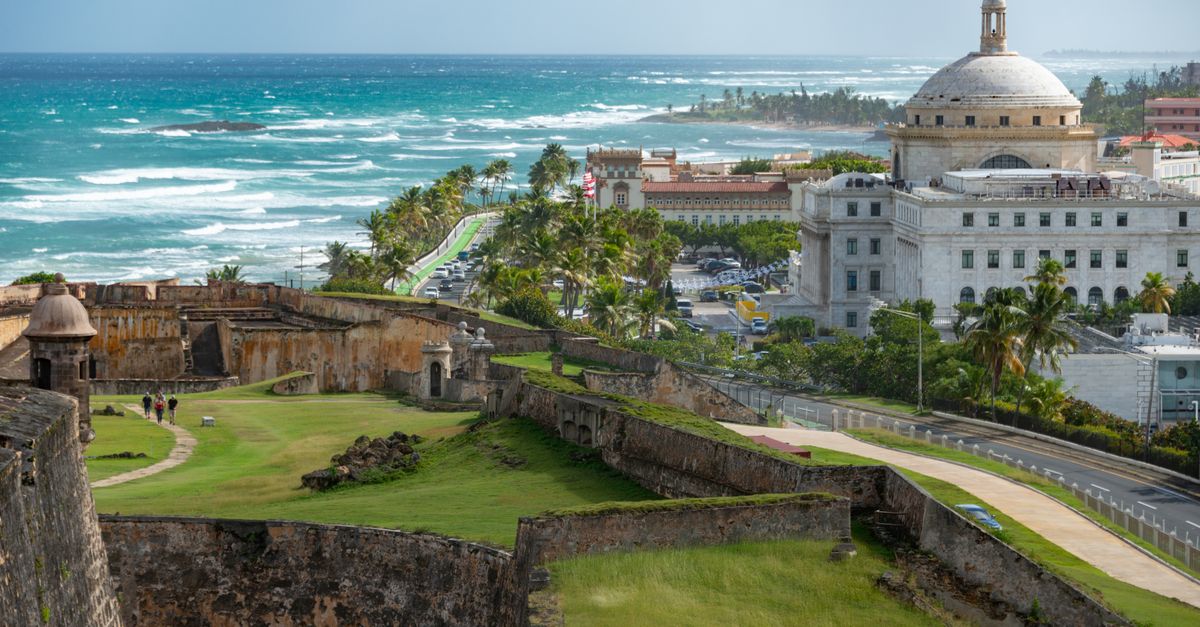
- San Juan to Arecibo: Coastal cliffs, historic forts (El Morro), and the Arecibo Observatory. Expect a 1 hour drive followed by a 30‑minute detour for panoramic views.
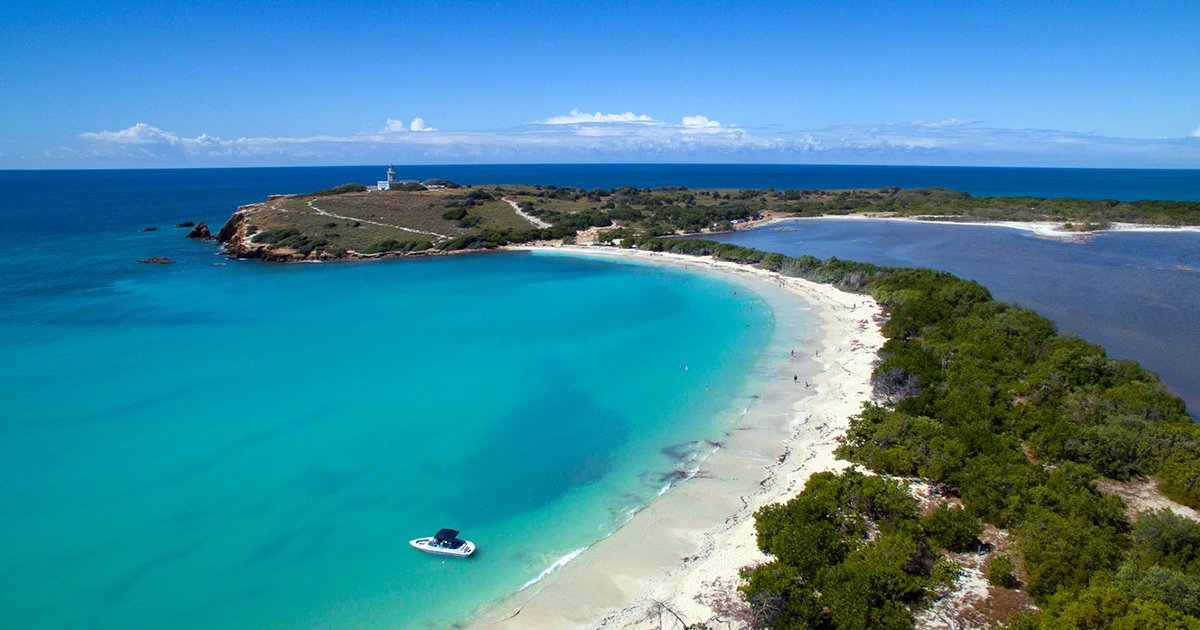
- Arecibo to Culebra: Scenic drive through lush pine forests; stop at the Roque Bay lighthouse. The ferry from Ceiba takes about 45 minutes; book tickets in advance during high season.
- Culebra to Vieques: Water taxi hop; explore bioluminescent bays. Nighttime tours are available only on Wednesdays and Saturdays.
- Vieques back to San Juan via the mainland: Drive along PR‑3, enjoy beachside views of Isla Verde. The drive takes roughly 2 hours without stops.
The Ruta Panoramica offers a balanced mix of history, nature, and modern amenities. It’s ideal for travelers who want to experience Puerto Rio without sticking to one city or island.
Planning your day along the route
- Morning: Start early in San Juan; visit El Morro before crowds arrive.
- Noon: Arrive at Arecibo for lunch at a local seafood shack overlooking the bay.
- Afternoon: Drive to Ceiba, board the ferry to Culebra, and spend the afternoon snorkeling near Tamarindo.
- Evening: Return to Vieques for a bioluminescent bay glow, then drive back to San Juan.
3. Best Beaches in Puerto Rico – What to Pack for Each Shore
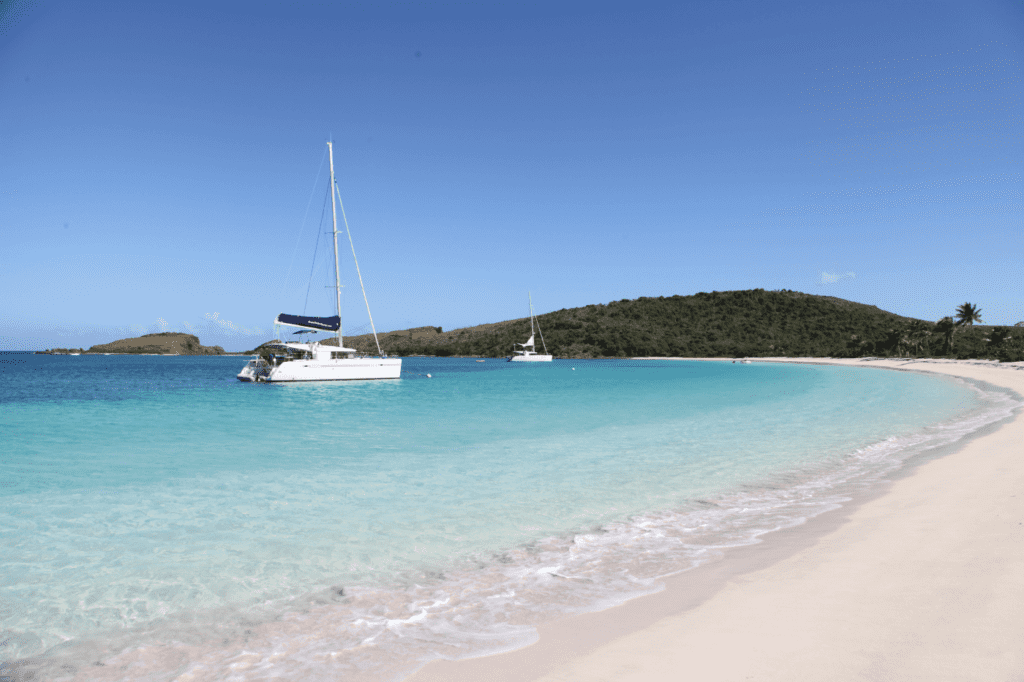
Puerto Rio has dozens of beaches, but only a handful stand out as must‑visit spots in 2026. Knowing what each beach offers helps you choose based on your activity preference—sunbathing, snorkeling, or surfing.
Top five beaches and their highlights
- Escambrón Beach (San Juan): Urban setting, calm waters, easy access to restaurants. Ideal for families; the adjacent park hosts weekly yoga sessions at sunrise.
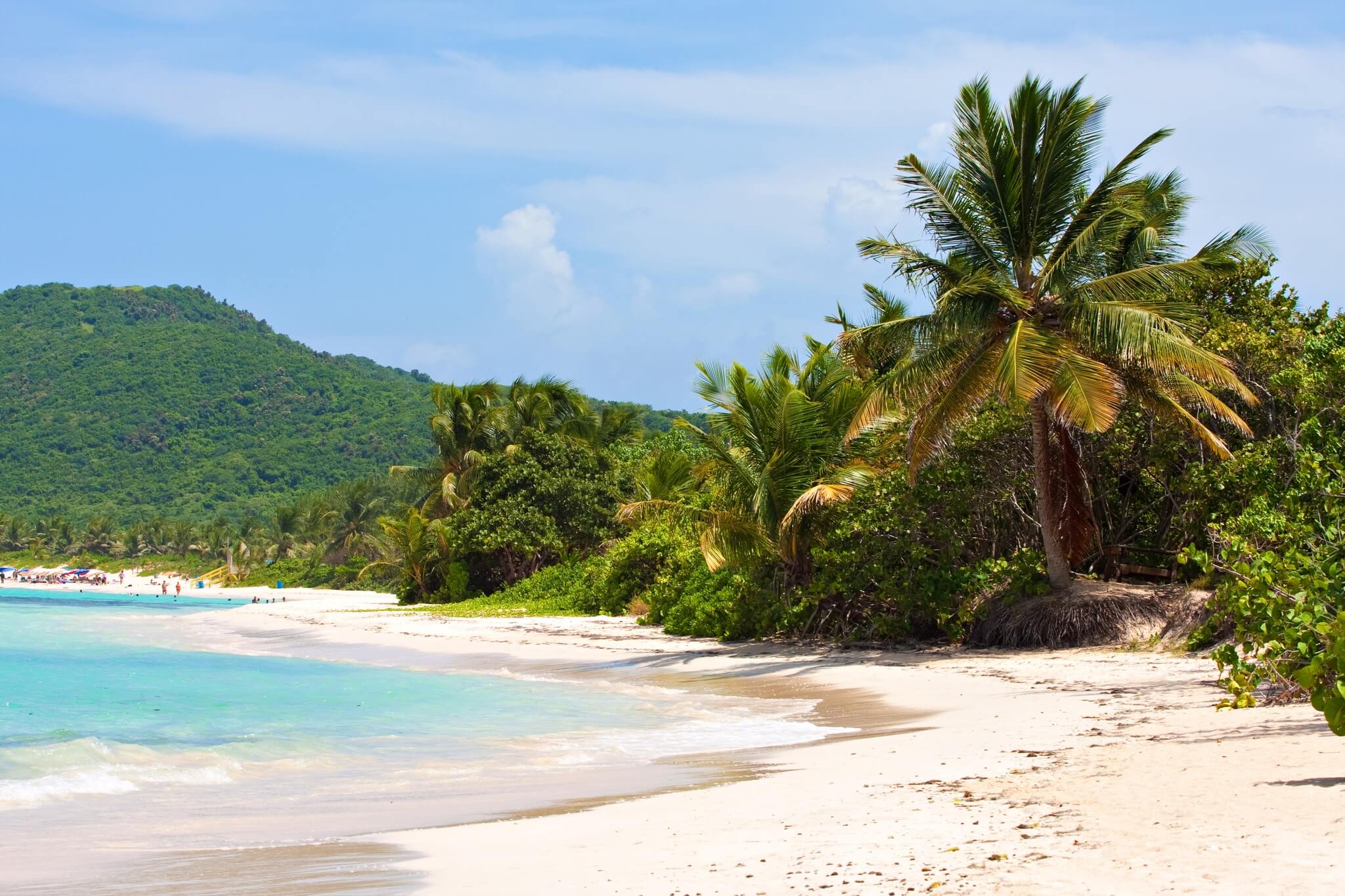
- Culebra’s Flamenco Beach: Crystal‑clear reef, world‑class snorkeling. The tide usually peaks around 3 pm, giving the best visibility.
- Isla Verde Beach: Surfable waves, vibrant nightlife, and a wide boardwalk. Pack a light jacket; evenings can be breezy.
- Rincón (Cabo Rojo): Long stretches of sand, ideal for sunrise yoga. The beach is less crowded on weekdays, so plan your visit accordingly.
- Caguas’ Playa de la Marimba: Family‑friendly, shallow waters, beachside kiosks. Great for a relaxed lunch with local grilled fish.
Pack sunscreen, a reusable water bottle, and a light rain jacket. If you plan to surf, bring a board or rent locally for the best prices.
Beach‑specific packing list
- Escambrón & Rincón: Swimsuits, beach towels, quick‑dry clothing.
- Culebra & Isla Verde: Snorkel gear or a rented mask and snorkel set; reef‑safe sunscreen.
- All beaches: Waterproof phone case, portable charger, and a small first aid kit for minor scrapes.
4. Puerto Rico Neighborhoods Guide – Where to Stay and Explore
The island’s neighborhoods each have their own vibe. Selecting the right one can save time on commuting and enhance your cultural experience.
Neighborhoods by purpose
- Condado (San Juan): Upscale hotels, high‑end dining, close to Isla Verde Beach. The pedestrian promenade is perfect for evening strolls.
- Miramar (San Juan): Quiet residential feel, ideal for families and early risers. The local farmers’ market runs every Saturday from 7 am to noon.
- Condado/Playa de Ponce: Budget options, lively street art scene. Check out the mural walk in Plaza Las Delicias for a colorful photo backdrop.
- Rincón: Surf culture, laid‑back atmosphere, great for solo travelers. The beach bar “Café del Mar” hosts nightly live music from local bands.
- Culebra Village: Small community feel, local markets, easy access to Flamenco Beach. Staying in a guesthouse here allows you to experience island life without the crowds.
When booking lodging, consider proximity to public transit or the main highway if you plan to drive along the Ruta Panoramica.
Transportation options within neighborhoods
- Condado & Miramar: Buses run every 15 minutes; a monthly pass costs $25.
- Rincón: Taxis are scarce; renting a scooter can be more efficient for short distances.
- Culebra Village: Walking is the primary mode; bicycles available for rent at most cafés.
5. Puerto Rico Surfing – Where and When to Catch the Waves
Surfing is a staple of Puerto Rio’s beach culture. The island offers consistent swells year‑round, but certain spots are preferred by locals and visitors alike.
Best surfing locations in 2026
- Isla Verde (San Juan): Accessible for beginners; waves break on a sandy bottom. The beach is well marked with surf schools offering 2‑hour lessons.
- Cabo Rojo (Rincón): Classic reef breaks, ideal for advanced surfers. The surf spot “Big Rock” can handle waves up to 8 ft during the winter swell.
- La Parguera: Light wind conditions; calm sea perfect for longboarding. Morning sessions are quieter than afternoon ones.
- Isla de Vieques: Remote waves, minimal crowds, excellent for experienced riders. The “Playa Negra” area is a favorite for its consistent right‑hand break.
Peak surf season runs from November to March. Gear rental is available at most beaches; however, bringing your own board saves on rental fees if you’re traveling with a group.
Surfing safety and etiquette
- Know the break: Respect local surfers’ space and always yield to those closer to the wave.
- Check conditions: Use apps like Surfline or Magicseaweed for real‑time swell forecasts.
- Wear a leash: Mandatory in most Puerto Rican waters; it protects both you and your board.
6. Practical Tips – Transportation, Accommodations & Safety
Efficient logistics keep the trip smooth and reduce stress. Below are the essential considerations for 2026 travelers.
Transportation essentials
- Car rental: Choose a fuel‑efficient SUV; check if insurance includes collision damage waiver. A car with GPS is highly recommended to navigate toll roads on PR‑3.
- Public transit: Buses cover major routes; Metrobus is free in San Juan’s city center. For island hopping, ferries run from Ceiba to Culebra and Vieques every 30 minutes during peak season.
- Taxis & rideshares: Uber and Cabify operate on the island, but rates can spike during holidays. Pre‑paying through the app provides a fixed fare estimate.
Accommodation tips
- Book early for peak season: Rates double from December to February; consider off‑peak travel for more availability.
- Consider Airbnb with kitchen: Saves money on meals and allows flexibility, especially if you plan to cook local ingredients like plantains or fresh fish.
- Check cancellation policies: 24‑hour free cancellation is common in 2026 listings; this gives you a safety net if plans change.
Safety & health reminders
- Vaccinations: No mandatory shots, but flu vaccine recommended. Mosquito repellent with DEET protects against dengue and Zika risks.
- Water safety: Tap water is potable; bottled water optional for those with sensitive stomachs.
- Emergency numbers: 911 for emergencies; local police at 119. Keep a copy of your passport in a separate bag from the original.
7. My Takeaway – The One Thing That Makes a Trip Successful
I’ve seen countless itineraries that look perfect on paper but fall apart in practice. The single factor that consistently keeps trips running smoothly is a clear, flexible plan that prioritizes purpose over perfection. If you can answer what you want from each day and leave room for spontaneity, the rest falls into place.
What’s your biggest challenge when planning a trip to an island destination?