
Which Puerto Rico beaches are best for family life and Afro‑Puerto‑Rican culture?
Finding a beach that balances sun, sand, safety, and cultural depth is a common challenge for families planning a trip to Puerto Rio. I’ve spent years scouting destinations that offer both relaxation and enrichment, so here’s a practical guide to the top beaches that celebrate Afro‑Puerto‑Rican culture while providing a welcoming environment for children.
1. Family-Friendly Beaches with Afro‑Puerto‑Rican Cultural Highlights
When you’re looking for a beach that feels like home, consider locations where local history and everyday life intersect on the shoreline. These spots offer easy access, family-friendly amenities, and a sense of community rooted in Afro‑Puerto‑Rican heritage.
Top Beach Options
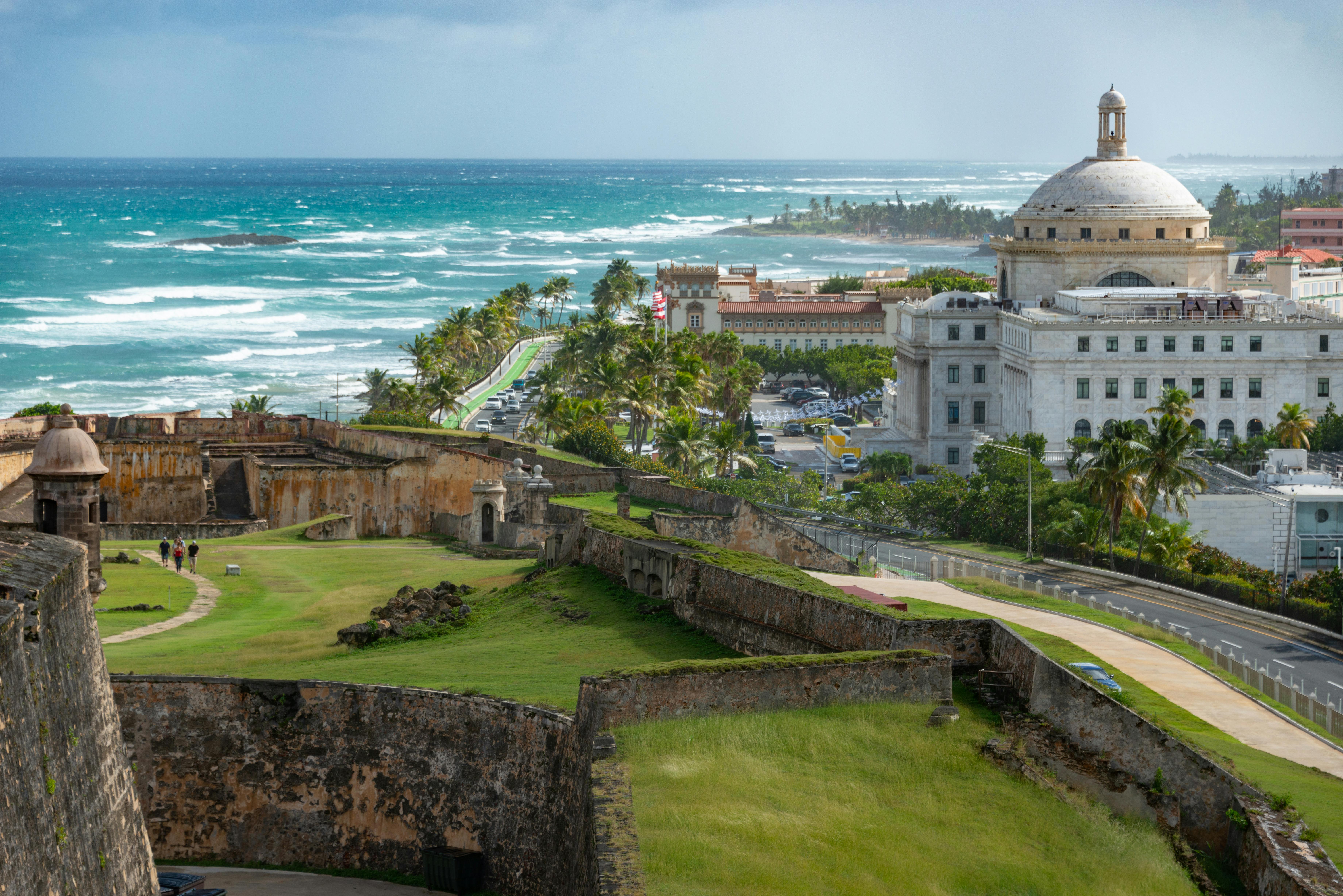
- Isla Verde (San Juan) – A bustling stretch with calm waters, close to historic forts that tell the story of African slaves who helped build Puerto Rico’s defenses. Families can walk the promenade and stop at local kiosks for fresh coconut water.
- Condado Beach – Known for its shallow surf and nearby cultural centers that host Afro‑Puerto‑Rican art exhibits, making it ideal for kids to learn while they play.
- Luquillo Beach (Rio Grande) – Features a laid-back atmosphere where vendors sell traditional foods like lechon. The surrounding community’s vibrant music scene offers impromptu jam sessions that showcase Afro‑Caribbean rhythms.
- Playa Buyé (Arecibo) – Offers a quieter alternative with tide pools for children to explore, and the nearby town celebrates its Afro‑Puerto‑Rican roots through annual festivals.
- La Parguera (Lajas) – A smaller beach where families can kayak while enjoying local folklore about sea spirits tied to African traditions.
Each of these beaches has a distinct flavor that reflects the island’s diverse cultural tapestry. For instance, Isla Verde’s promenade is lined with art installations created by Afro‑Puerto‑Rican sculptors who use recycled materials, turning everyday walks into visual storytelling sessions for children. Condado Beach’s proximity to the Museo de Arte Afro‑Puertorriqueño provides a quick detour that enriches the beach day with history and creativity.
Beyond the cultural touchpoints, families will appreciate practical amenities such as shaded picnic areas, stroller-friendly pathways, and nearby playgrounds. The gentle waves at Luquillo make it an excellent spot for beginner surfers or kids learning to paddle board under adult supervision. Playa Buyé’s tide pools host a variety of starfish and small crabs that captivate young explorers, while La Parguera’s calm waters allow safe kayaking even for those with limited experience.
The key takeaway: choose beaches that not only provide safety and amenities but also connect you with Afro‑Puerto‑Rican culture through nearby history, food, or music.2. Best Lechon Spots Near Puerto Rio Beaches
Lechon is the island’s signature roast pork dish, often served at family gatherings. When visiting the coast, you’ll find many spots that pair a fresh beach view with this savory delight.
Top Lechon Destinations
- La Casa del Lechón (Isla Verde) – Offers a kid-friendly menu and spacious patio overlooking the ocean.
- El Madero (Condado) – Known for its slow-cooked pork with a smoky flavor, plus a playground nearby for younger children.
- Luz y Sombra (Luquillo) – A family-owned stall that serves lechon in generous portions; kids can watch the grill as part of the experience.
- La Hacienda de la Luz (Arecibo) – Features a heritage farm setting where you can learn about traditional cooking methods while enjoying the sea breeze.
In my experience, pairing a lechon meal with a beach outing creates lasting memories for both kids and adults. The communal dining atmosphere also offers an authentic glimpse into how Afro‑Puerto‑Rican families celebrate together.
To enhance the experience, consider timing your visit to catch the sunset—many vendors extend their hours on Friday evenings, providing a golden light that makes every bite feel extra special. If you’re traveling with young children, ask for smaller portions or share plates; this not only prevents waste but also allows kids to sample a variety of flavors without feeling overwhelmed.
Some lechon spots offer side dishes such as yuca con mojo or plantain fritters that pair beautifully with the pork’s rich flavor. Bringing reusable utensils and cups can reduce plastic waste, aligning your family vacation with environmental stewardship—a value often celebrated in Afro‑Puerto‑Rican communities through community gardens and local clean-up initiatives.
3. Arecibo Puerto Rio: Activities for Families
Arecibo is more than just a beach town; it’s a hub of science, culture, and natural beauty that appeals to all ages.
Family-Friendly Highlights in Arecibo
- The Arecibo Observatory (now decommissioned) – Guided tours explain radio astronomy while showcasing the region’s contribution to global research.
- Cueva de los Vientos (Wind Cave) – An underground cave with guided spelunking suitable for older children, offering a safe adventure.
- Arecibo Lighthouse Museum – Combines maritime history with interactive exhibits that explore Afro‑Puerto‑Rican maritime contributions.
- Los Corales Beach Park – A protected area where families can walk on the shore and observe local marine life, supported by environmental education programs.
- Local festivals in May – Often feature traditional drumming, dance, and storytelling rooted in Afro‑Puerto‑Rican heritage.
When planning a visit to Arecibo, schedule at least one full day for these activities. The mix of science, history, and nature ensures that every family member finds something engaging.
Arecibo’s natural attractions also provide educational opportunities that go beyond the usual beach day. For example, a guided tour of Los Corales Beach Park typically includes a brief talk on coral reef conservation, where children can learn about marine ecosystems while spotting colorful fish and sea turtles. The nearby Cueva de los Vientos offers a controlled environment for older kids to explore stalactites and learn basic geology—an experience that is both thrilling and safe.
During the May festivals, parents often find themselves participating in drum circles or watching local artisans demonstrate Afro‑Puerto‑Rican weaving techniques. These events highlight the island’s vibrant cultural heritage and give families a chance to create lasting memories through music, dance, and storytelling.
4. Practical Tips for Traveling with Kids and Dogs to the Coast
Balancing pet care with child safety can be tricky when heading to a beach destination. Below are actionable steps to streamline your trip.
Essential Planning Checklist
- Dog-Friendly Beaches – Verify local regulations; Isla Verde and Condado allow dogs in designated areas during early mornings.
- Pet First-Aid Kit – Include hydrating tablets, a small bowl, waste bags, and any prescribed medication.
- Kid Safety Gear – Life jackets for each child, sunscreen with high SPF, and UV-protective clothing.
- Transportation – Opt for a rental vehicle equipped with a pet carrier or use a van to accommodate both children and dogs comfortably.
- Parking Strategy – Reserve a spot near the beach entrance to avoid backtracking with gear, kids, and pets.
In my experience, having a dedicated “dog zone” at the beach reduces stress for everyone. A quick walk before lunch gives pets relief while giving parents a moment to regroup.
Additional practical tips include bringing a portable shade tent or umbrella—this provides instant shelter for both children and dogs during peak sun hours. Also, pack a small cooler with cool water and light snacks for your dog; many dogs enjoy a chilled cucumber slice or a few paw-friendly treats on hot days. Finally, keep a copy of your pet’s vaccination records in case you need to show them at a local vet should an emergency arise.
5. Budgeting Your Puerto Rio Beach Vacation
A clear budget helps avoid last-minute surprises and keeps the focus on enjoying family time rather than scrambling for funds.
Typical Cost Breakdown (per person)
- Flights – $350–$600 roundtrip from major U.S. cities, depending on season.
- Apartments or hotels – $120–$200 per night for a family suite; booking 3‑month in advance can reduce rates.
- Food & Dining – $15–$30 per child per day if you dine at local lechon spots; consider grocery stores for breakfast supplies.
- Transportation (rental car) – $45–$70 per week, plus fuel ($4.50/gallon).
- Activities – Museum tickets ($10), cave tours ($15), and observatory passes ($5). Kids often get discounted rates.
- Miscellaneous – $100 for souvenirs, beach gear rentals, or unexpected expenses.
Total estimated cost for a 7‑day family trip (2 adults, 3 kids) is roughly $4,200–$5,000. Using travel rewards credit cards and booking early can shave off up to 15% of the total.
To further stretch your budget without sacrificing experience, consider these additional strategies: book a vacation package that bundles accommodation and activities; take advantage of free community events such as local festivals or beach clean‑ups; and use public transportation or rideshare services for short trips between attractions. When dining out, many restaurants offer family menus or lunch specials that provide substantial savings while still offering authentic Puerto Rico flavors.
6. Safety, Health, and Packing Essentials
Prioritizing safety ensures that your beach adventure remains enjoyable for everyone involved.
Key Precautions and Supplies
- Health – Check CDC guidelines for any required vaccinations or travel advisories; bring a basic medical kit with antihistamines, bandages, and pain relievers.
- Water Quality – Verify local advisories; most beaches in Puerto Rico have clean water, but bring bottled water if you’re unsure.
- Sun Protection – Use reef-safe sunscreen (SPF 50+), hats, and UV-blocking sunglasses for kids.
- Emergency Contacts – Keep a list of local emergency numbers, the nearest hospital, and your travel insurance details.
- Packing List – Swimsuits, towels, beach chairs, reusable water bottles, a first-aid kit, pet supplies, and a waterproof phone case.
In my experience, packing light but thorough reduces the risk of forgetting essential items that could compromise safety or comfort during your stay.
What is your most important tip for families traveling to Puerto Rio beaches with pets?