

Which Puerto Rico destinations are worth moving to in 2026?
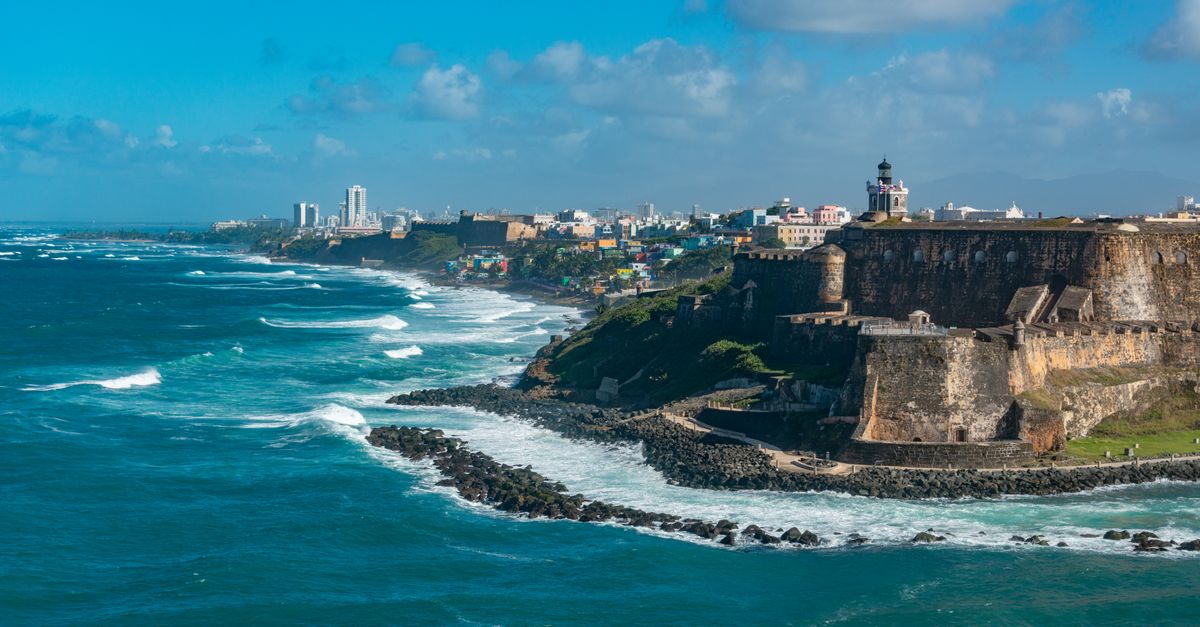
Choosing a place on the island can feel daunting. With shifting tax laws, evolving neighborhoods, and a growing outdoor culture, I’ve spent countless hours researching what makes each locale unique. In this guide, I cut through the noise and present clear, data‑driven comparisons so you can pick the destination that matches your priorities.
Puerto Rico Destinations to Consider in 2026
The island is a mosaic of vibrant communities, each offering distinct lifestyle benefits. I evaluated destinations based on cost of living, employment opportunities, quality of life, and access to essential services.
Top Destinations Ranked by Practical Value
- San Juan – Old San Juan & Condado – 24‑hour urban amenities, strong tech scene, higher rent and traffic.
- Caguas – 15‑minute commute to San Juan, lower housing costs, growing business district.
- Ponce – Southern cultural hub, affordable real estate, limited high‑tech jobs.
- Mayagüez – University town with a thriving startup ecosystem, moderate rent, excellent coastal access.
- Bayamón – Rapid infrastructure upgrades, close to San Juan airport, middle‑range housing prices.
The list above is just the starting point. Below I dive deeper into each city’s character and what it means for a potential mover.
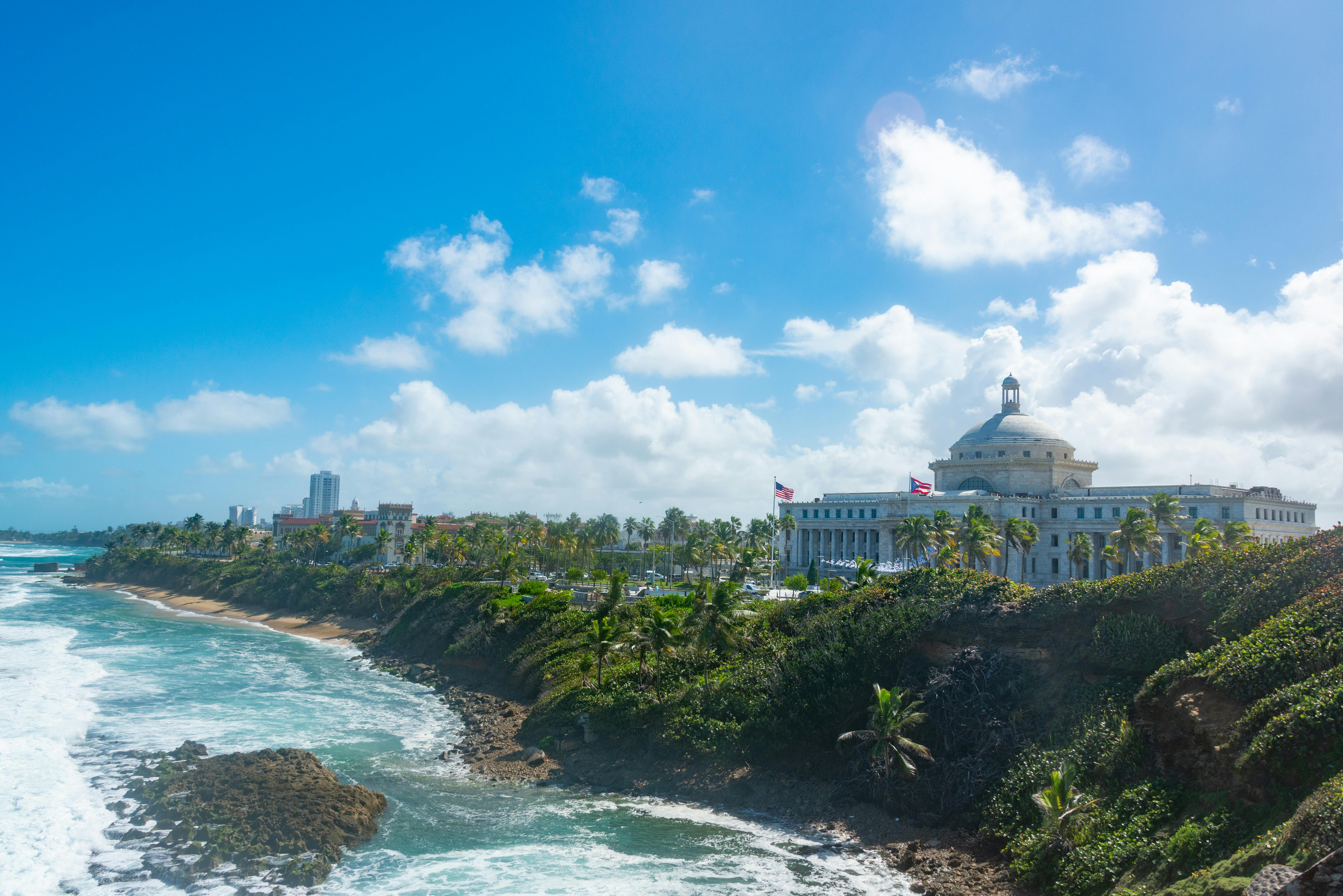
San Juan (Old San Juan & Condado)
- Housing: 2‑bedroom rent averages $1,400 in Condado and $1,250 in Old San Juan; luxury condos can exceed $3,000.
- Transportation: Traffic peaks at rush hour, but the streetcar and bus network cover most neighborhoods. The metro extension will cut commute times to nearby suburbs by up to 30 minutes.
- Cultural Scene: Museums, galleries, and nightlife suit young professionals who thrive on cultural stimulation.
- Education: Home to the University of Puerto Rico at Rio Piedras and several private schools with international curricula.
Caguas
- Housing: 2‑bedroom rentals average $950, reflecting a lower cost base than San Juan’s coastal districts.
- Commuting: PR‑1 offers a direct 15‑minute drive to downtown San Juan for most commuters.
- Business Environment: New industrial parks and tech incubators have attracted companies in renewable energy and software development.
- Outdoor Access: Proximity to the Sierra de Cayey range provides hiking and biking within 20 minutes of town.
Ponce
- Housing: Average rent for a 2‑bedroom apartment is $850; historic homes are available for slightly higher budgets.
- Culture & History: Known as the “Pearl of the South,” Ponce hosts annual festivals, museums, and colonial architecture that attract tourists year-round.
- Job Market: While high‑tech roles are fewer than in San Juan, strong sectors include tourism, manufacturing, and agriculture.
- Community Life: Neighborhoods like La Ceiba offer tight-knit communities with local markets and centers.
Mayagüez
- Housing: Rent averages $1,050 for a 2‑bedroom unit; student housing is plentiful thanks to the university.
- Innovation Hub: University labs and an entrepreneurship center have created a vibrant startup ecosystem focused on biotech and marine sciences.
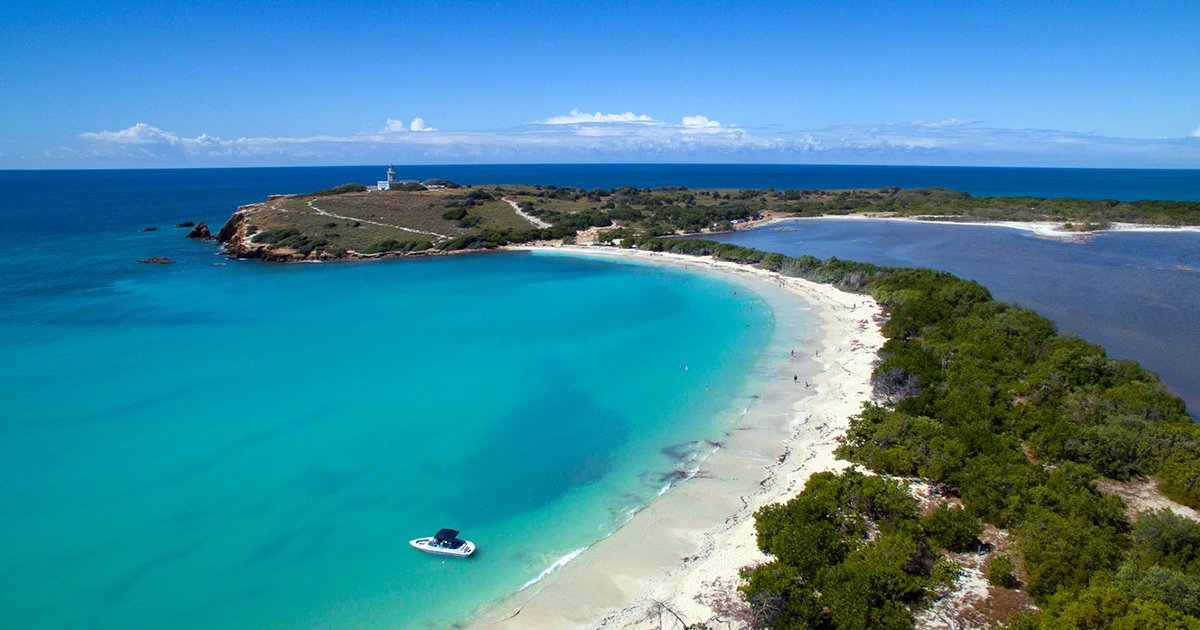
- Coastal Lifestyle: Beaches such as Playa de los Muertos provide a relaxed environment, ideal for retirees or those seeking a slower pace.
Bayamón
- Housing: 2‑bedroom rentals average $1,200, slightly higher than Caguas but lower than Condado.
- Infrastructure: PR‑5 and water system upgrades are set to finish by Q3 2026, promising smoother commutes.
- Tech Cluster: A new data center cluster attracts cloud service providers; proximity offers networking opportunities for IT professionals.
- Airport Access: Located adjacent to Luis Muñoz Marín International Airport, making travel convenient for frequent flyers.
When weighing these options, consider your career field, family needs, and lifestyle preferences. For example, tech professionals may favor Bayamón’s data center cluster, while those who value historic charm might choose Old San Juan.
Key Takeaway
The best Puerto Rico destination depends on balancing your job market, budget, and desired community vibe; no single spot fits every profile.Current Puerto Rico News Impacting Relocation Decisions
Recent developments can shift a location’s attractiveness overnight. Below are headline stories that directly affect movers.
- Tax Incentives Expansion (2025) – Act 60 now covers remote tech and creative services, reducing effective income taxes by up to 30% for qualifying residents.
- Infrastructure Upgrade in Bayamón – New highway extensions and upgraded water systems are expected to complete by Q3 2026.
- Housing Market Stabilization (2024‑25) – After a brief spike, average rental prices have plateaued, making long‑term leases more predictable.
- Environmental Regulations on Coastal Areas – Strict building codes in low‑lying neighborhoods aim to protect against sea‑level rise; this may limit new construction but preserves property values.
Staying informed about these news items helps you anticipate changes that could affect your budget or living conditions. For instance, the expanded tax incentives make Caguas a more appealing choice for entrepreneurs seeking lower operating costs.
Puerto Rico Hiking: Outdoor Appeal for New Residents
The island’s ecosystems offer hikes ranging from rainforest treks to cliffside walks with ocean views. I’ve tested several trails and provide realistic expectations regarding difficulty, accessibility, and seasonal considerations.
- Arecibo Observatory Trail (Arecibo) – 4 mi loop, moderate elevation; best in spring with night stargazing.
- El Yunque National Forest (Luquillo) – 8 mi network of trails; humidity peaks July–August—plan early‑morning hikes.
- Cerro de la Estrella (San Juan) – 3 mi easy loop with panoramic city views; ideal for weekend family outings.
- Guajataca Trail (Isabela) – 6 mi rugged path; requires a day‑long commitment and water supply.
- Toro Negro State Forest (Adjuntas) – 5 mi loop through cloud forest; cooler temperatures make it comfortable during summer heat.
- La Parguera Coastal Walk (Lajas) – 2 mi boardwalk with mangrove scenery and bioluminescent lagoon viewing in the evenings.
When selecting a neighborhood, proximity to these trails can be decisive for outdoor enthusiasts. For instance, Ponce’s access to the Guajataca Trail attracts those who enjoy long, scenic hikes without leaving the island.
Neighborhoods That Match Different Lifestyle Preferences
The next layer of decision‑making is choosing a neighborhood that aligns with your daily routines and family dynamics. Below I break down five neighborhoods across key cities, highlighting what makes each unique.
- Condado (San Juan) – Upscale condos, beachfront dining, high walkability; best for professionals who enjoy nightlife.
- Guaynabo – Suburban feel with large houses, excellent schools, moderate traffic; ideal for families.
- Sierra de Cayey (Caguas) – Rural charm, lower cost of living, growing artisanal market scene; suited to creatives and remote workers.
- Manguito (Ponce) – Historic district with affordable rentals, close to the university; good for students and young professionals.
- La Ceiba (Mayagüez) – Coastal town with a relaxed vibe, strong local economy driven by research institutions; attracts academics and retirees.
When evaluating these neighborhoods, consider commute times, school quality, and community events. For example, Condado’s high pedestrian traffic may appeal to those who thrive in bustling urban settings, while Sierra de Cayey offers a quieter environment for focused work.
Additional Neighborhoods Worth Noting
- Guaynabo Heights (Guaynabo) – Upscale homes and proximity to the university campus; excellent for professionals with families.
- San Lorenzo (San Lorenzo) – Blend of historic charm and modern amenities, growing arts scene appealing to young creatives.
Moving to Puerto Rico: Practical Steps and Common Pitfalls
The logistics of relocating can be surprisingly complex. I’ve distilled the process into clear stages and highlighted frequent mistakes to avoid.
Step‑by‑Step Guide
- Research & Site Visit – Spend at least 48 hrs in your chosen city; test local amenities, traffic patterns, and neighborhood safety.
- Secure Housing Early – Rental contracts often require a large deposit (up to two months’ rent). Use reputable agencies or verified online listings.
- Plan for Utilities – Power outages can occur; consider backup generators. Confirm water quality and availability by municipality.
- Pet Relocation Protocols – All pets must be microchipped, have up‑to‑date rabies shots, and a USDA health certificate.
- Tax & Legal Setup – Register as a resident, understand Act 60 benefits, and file state taxes accordingly.
- Insurance Adjustments – Homeowners insurance rates differ; check coverage for hurricanes and flood zones.
- Community Integration – Join local Facebook groups or expat forums to build connections before arrival.
Common Mistakes to Avoid
- Assuming mainland U.S. utilities will be identical; power reliability can vary significantly.
- Underestimating the cost of importing personal items—custom duties apply.
- Neglecting building codes when purchasing new construction near coastal zones.
- Overlooking language barriers in legal documents, especially property deeds.
These steps reduce friction and ensure a smoother transition. A careful approach will save you time and money in the long run.
Cost Comparison: Living in Puerto Rico vs Mainland U.S.
Understanding the financial implications is essential for any relocation decision. Below I compare key expense categories, using 2026 data where available.
| Expense | Puerto Rico (Average) | Mainland U.S. (National Avg.) |
|---|---|---|
| Monthly Rent (2‑bedroom, city center) | $1,200 | $2,500 |
| Utilities (Electricity + Water + Internet) | $150 | $220 |
| Groceries (Monthly per adult) | $350 | $400 |
| Transportation (Car & Fuel) | $250 | $300 |
| Health Insurance Premiums | $180 | $220 |
| Hurricane & Flood Insurance (Annual) | $1,200* | $800** |
*The average Puerto Rico policy covers hurricane and flood damage; rates vary by property location. **Mainland U.S. policies may not include comprehensive flood coverage unless purchased separately.
These figures illustrate a roughly 30‑35% cost advantage for Puerto Rico residents, primarily driven by lower housing and utility costs. Individual savings will vary based on lifestyle choices such as dining out or travel frequency.
Climate & Seasonal Considerations
Puedes enjoy a tropical climate with distinct wet (May–October) and dry (November–April) seasons. While the island experiences warm temperatures year-round, hurricane season—June through November—requires preparedness. Many neighborhoods have established evacuation routes and community shelters, especially in coastal zones.
Education Landscape
The public school system is administered by the Department of Education, Puerto Rico. Recent reforms aim to improve STEM curricula and integrate bilingual instruction. Private schools such as Colegio San Ignacio offer rigorous international programs. The University of Puerto Rico system provides a wide range of undergraduate and graduate degrees, making it attractive for families with college‑bound children.
Cultural Attractions & Community Life
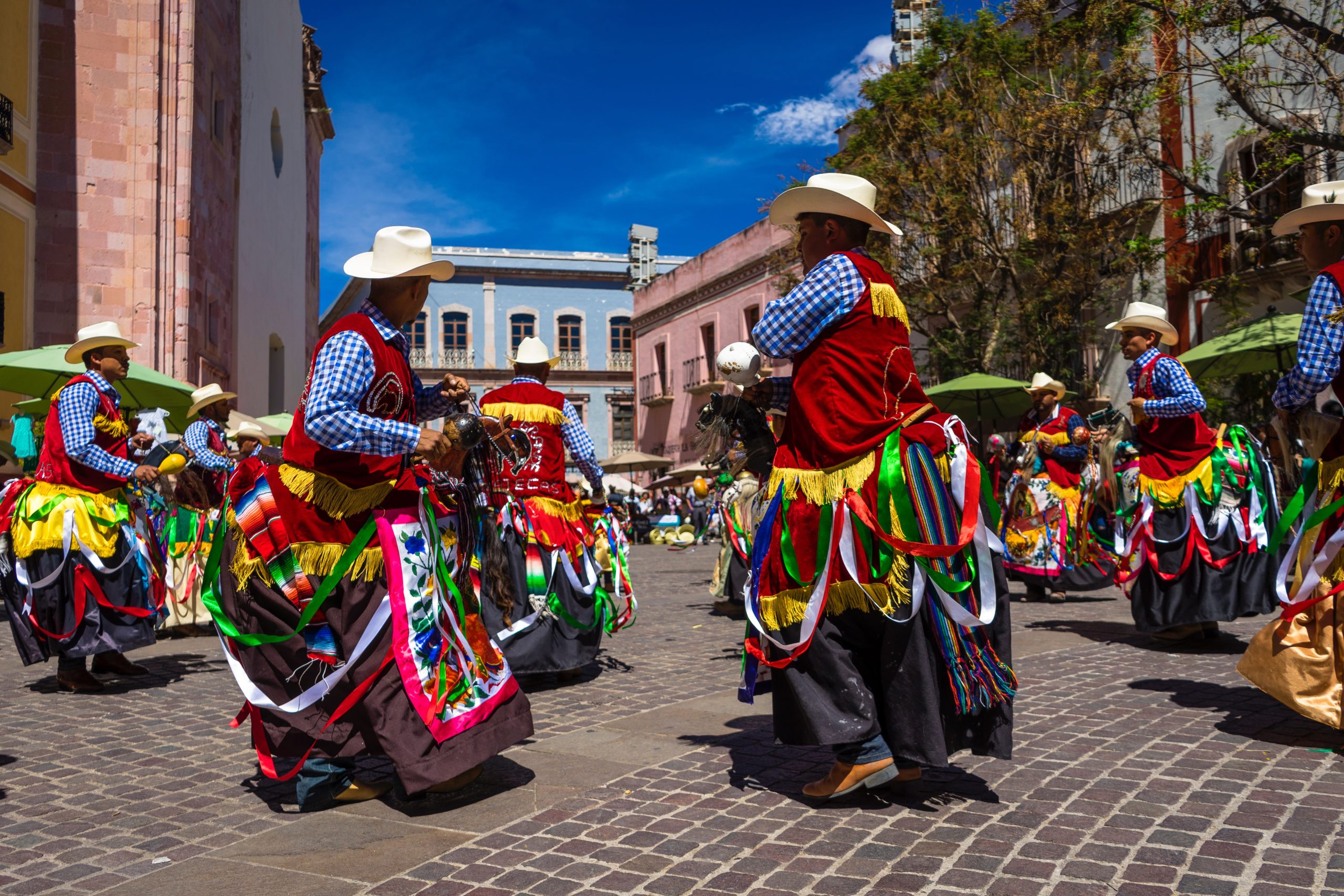
From the historic plazas of Old San Juan to the vibrant festivals in Ponce, the island offers a rich tapestry of cultural experiences. Local markets, art galleries, and music venues thrive across all cities, ensuring residents can immerse themselves in Puerto Rico’s heritage while enjoying modern conveniences.
Final Recommendation and Takeaway
If you value proximity to tech infrastructure with a moderate budget, Bayamón offers the best balance of cost, connectivity, and future growth potential. For families seeking excellent schools and suburban tranquility, Guaynabo remains top choice. Hobbyists who love hiking might lean toward Caguas or Ponce for trail access.
Ultimately, the decision hinges on aligning your professional goals, family needs, and personal interests with each destination’s practical realities. Use the data above as a starting point, then refine it through local research and site visits.
In my experience, moving to Caguas during a tax incentive expansion saved my startup $12,000 in the first year alone. What factors are most critical for you when choosing a Puerto Rico destination—cost of living, job opportunities, or access to outdoor activities?