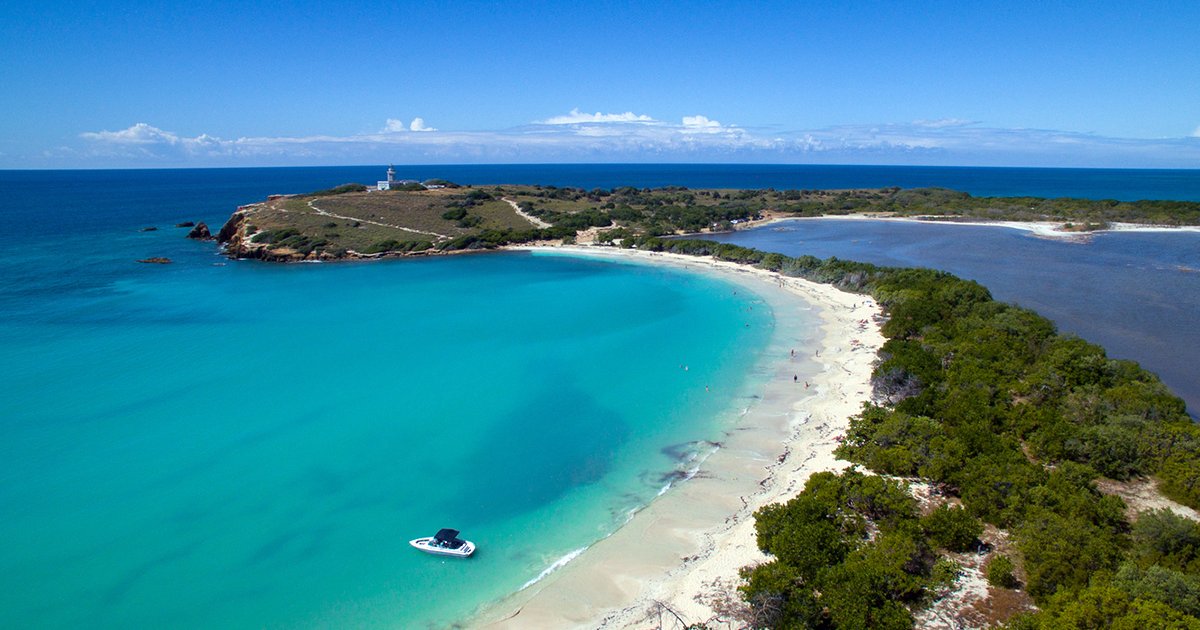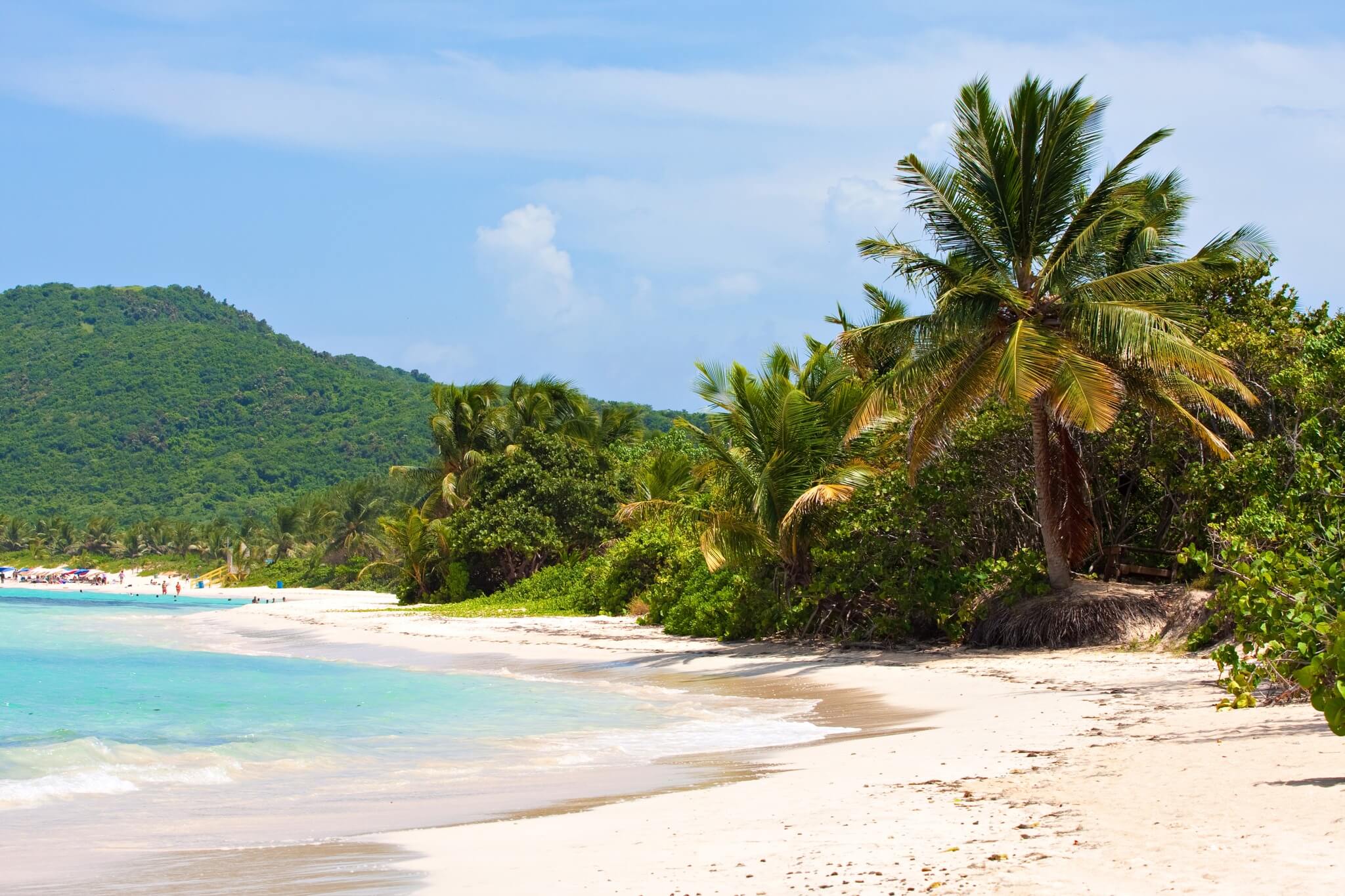
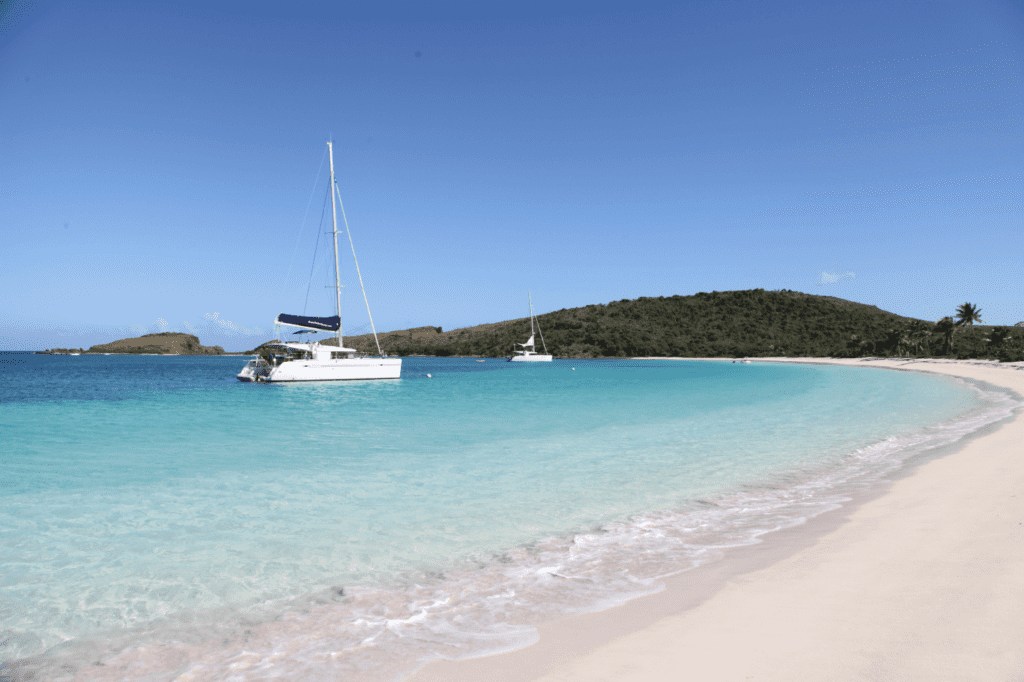
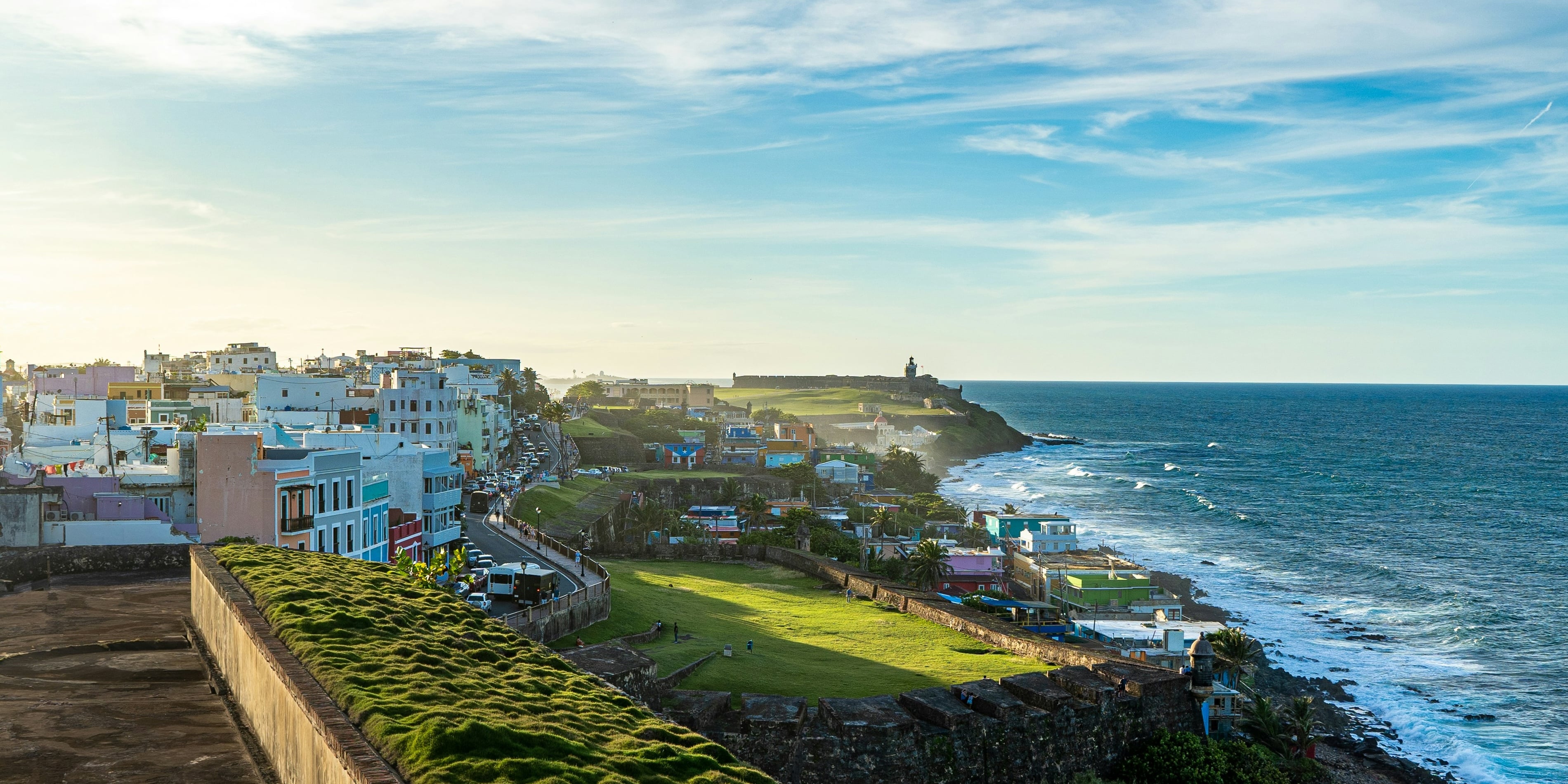
Isla de Mona is one of Puerto Rico’s most remote and remarkable island destinations, known for wildlife, cliffs, caves, marine life, natural preservation, and rugged Caribbean scenery. Located in the Mona Passage between Puerto Rico and the Dominican Republic, the island is often described as one of the most unique natural areas connected to Puerto Rico. It is not a casual beach stop or a typical resort destination. Instead, Isla de Mona is a protected, adventure-oriented place that appeals to experienced travelers, researchers, divers, nature lovers, and visitors interested in rare ecosystems and remote landscapes.
The island’s isolation is one of the main reasons it feels so special. Far from Puerto Rico’s cities, towns, and developed tourism areas, Isla de Mona offers a raw and preserved environment shaped by limestone cliffs, coastal waters, caves, dry forest, wildlife habitats, and powerful ocean surroundings. Visiting requires planning, permits, and respect for the island’s protected status, but for those who are able to experience it responsibly, Isla de Mona offers one of the most extraordinary nature experiences in the Caribbean.
A Remote Island in the Mona Passage
Isla de Mona sits in the Mona Passage, the stretch of water between western Puerto Rico and the eastern coast of the Dominican Republic. Its location gives the island a strong sense of separation from the mainland. The journey itself is part of the experience, since reaching the island typically requires authorized boat travel and careful planning around weather, sea conditions, regulations, and access rules.
This remote setting makes Isla de Mona very different from Puerto Rico’s more accessible island destinations. It is not like Culebra, Vieques, Caja de Muertos, or nearby coastal cays where visitors may find more regular transportation or visitor services. Mona is more rugged, more restricted, and more focused on preservation. That makes it especially important for visitors to understand the island’s conditions before planning a trip.
Wildlife and Protected Habitats
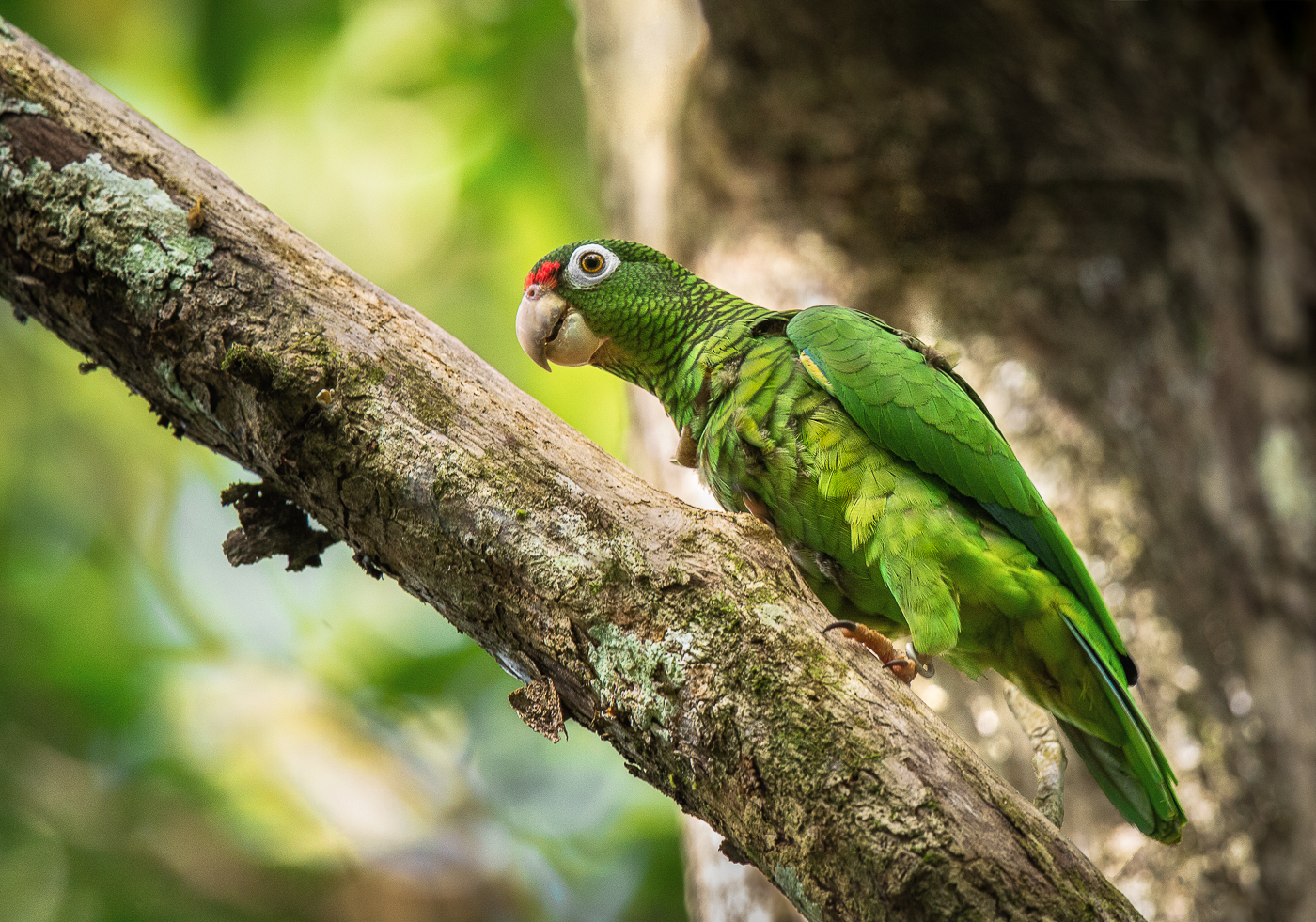
Wildlife is one of Isla de Mona’s greatest treasures. The island is known for unique species, nesting birds, reptiles, marine life, and protected habitats that make it ecologically important. Its isolation has helped support ecosystems that are different from those found on the main island of Puerto Rico. For nature-focused travelers, this makes Mona a fascinating destination.
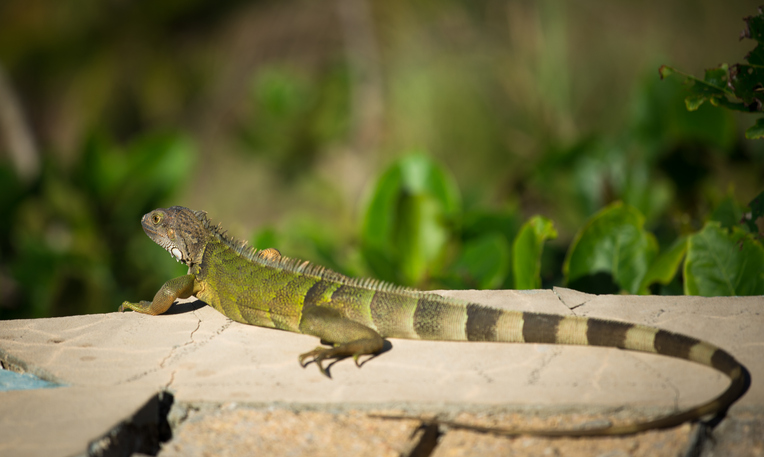
Visitors may encounter birds, iguanas, coastal wildlife, marine species, and plant communities adapted to the island’s dry and rugged environment. Because these habitats are sensitive, responsible behavior is essential. Travelers should avoid disturbing wildlife, stay within permitted areas, follow official guidance, and leave the island as undisturbed as possible.
Limestone Cliffs and Rugged Coastal Views
Isla de Mona is known for dramatic limestone cliffs and rugged coastal scenery. The island’s edges rise from the sea in striking formations, creating powerful views of rock, water, sky, and horizon. These cliffs are part of what gives Mona its wild and remote appearance.
The coastal views can be especially memorable for photographers, boaters, divers, and nature lovers. The surrounding water, rock formations, and open Caribbean setting create a landscape that feels far removed from everyday life. The cliffs also help define the island’s geography, access points, and natural character.
Caves and Geological Features
Caves are another important part of Isla de Mona’s identity. The island’s limestone geology has created cave systems, sinkholes, rock formations, and underground spaces that make it especially interesting for geology, archaeology, and nature exploration. These caves are part of the island’s scientific and cultural importance.
Some cave areas may contain sensitive natural or historical features, so access should only happen where permitted and with proper guidance. Visitors should never enter restricted spaces, damage formations, disturb wildlife, or remove anything from the island. The caves are part of Mona’s protected value and must be treated with care.
Natural Preservation and Conservation
Natural preservation is central to Isla de Mona’s identity. The island is protected because of its ecological, geological, wildlife, and cultural significance. Conservation efforts help preserve its habitats, species, cave systems, coastal areas, and marine environments for future generations.
Because of this protected status, Mona is not designed for mass tourism. Visitors should think of the island as a fragile natural reserve rather than a recreational destination. Proper permits, official rules, limited-impact travel, and respect for conservation are all essential parts of any visit.
Marine Life, Diving, and Clear Waters
The waters around Isla de Mona are known for marine life, underwater scenery, and clear Caribbean conditions when weather allows. Divers and experienced boaters may be especially interested in the area because of its remote marine environment, reefs, underwater visibility, and connection to the Mona Passage.
Marine conditions can be challenging, and the area is not suited for casual or unprepared visitors. Anyone planning water-based activities should work with qualified operators, understand safety requirements, and follow all regulations. The remote location means that preparation and caution are especially important.
Dry Forest Landscapes and Island Terrain
Much of Isla de Mona has a dry, rugged landscape shaped by sun, wind, limestone, salt air, and limited development. The terrain can include dry forest, scrub vegetation, rocky paths, cliffs, coastal plains, and uneven surfaces. This environment gives the island a distinctive appearance compared with Puerto Rico’s wetter mountain regions and more developed beach areas.
The dry forest habitat is part of Mona’s ecological importance. Plants and animals here are adapted to challenging conditions, and the landscape reflects the island’s isolation and exposure. Visitors should be prepared for heat, sun, limited shade, and physically demanding conditions depending on the activity and access area.
Planning, Permits, and Responsible Access
Visiting Isla de Mona requires more planning than most Puerto Rico destinations. Access is generally controlled, and visitors may need permits or authorization from the appropriate agencies. Transportation is limited, sea conditions can be rough, and services on the island are minimal or unavailable. This makes preparation essential.
Travelers should confirm current access requirements, transportation options, weather conditions, safety guidance, camping rules if applicable, and conservation regulations before planning a trip. Mona is not a place to visit spontaneously. It is best suited for people who understand remote travel and are prepared to follow official rules.
What to Bring for a Remote Island Visit
Because Isla de Mona is remote and undeveloped, visitors need to be self-sufficient. Important items may include plenty of water, food, sun protection, hats, protective clothing, sturdy shoes, first-aid supplies, navigation tools, insect protection, camping gear if permitted, and a plan for carrying out all trash. Visitors should also bring any required documents, permits, and safety equipment recommended by officials or tour operators.
Preparation is not only about comfort; it is about safety and environmental responsibility. Remote island conditions can change quickly, and help may not be close by. Travelers should avoid taking unnecessary risks and should respect the island’s protected status at every step.
Things to Do on Isla de Mona
Depending on permits, conditions, and authorized access, activities on Isla de Mona may include wildlife observation, photography, hiking, scientific or educational visits, cave exploration where permitted, camping where allowed, coastal viewing, diving, snorkeling, and nature study. The island is best suited for travelers who value preservation, solitude, and rugged outdoor experiences.
A visit to Mona is not about convenience or nightlife. It is about experiencing one of Puerto Rico’s most remote natural environments. The island rewards patience, preparation, and respect. Its beauty comes from its wildness, its isolation, and its ecological importance.
Why Visit Isla de Mona?
Isla de Mona is worth visiting because it offers one of the most unique natural experiences associated with Puerto Rico. It combines wildlife, cliffs, caves, dry forest, clear waters, marine life, and serious conservation value in a remote island setting. For the right visitor, it can be one of the most memorable and meaningful nature destinations in the Caribbean.
For travelers interested in wildlife, geology, caves, cliffs, marine environments, remote islands, conservation, and natural preservation, Isla de Mona is an extraordinary destination. It is not for every traveler, but for those prepared to visit responsibly, it offers a rare look at Puerto Rico’s wild and protected island landscapes.