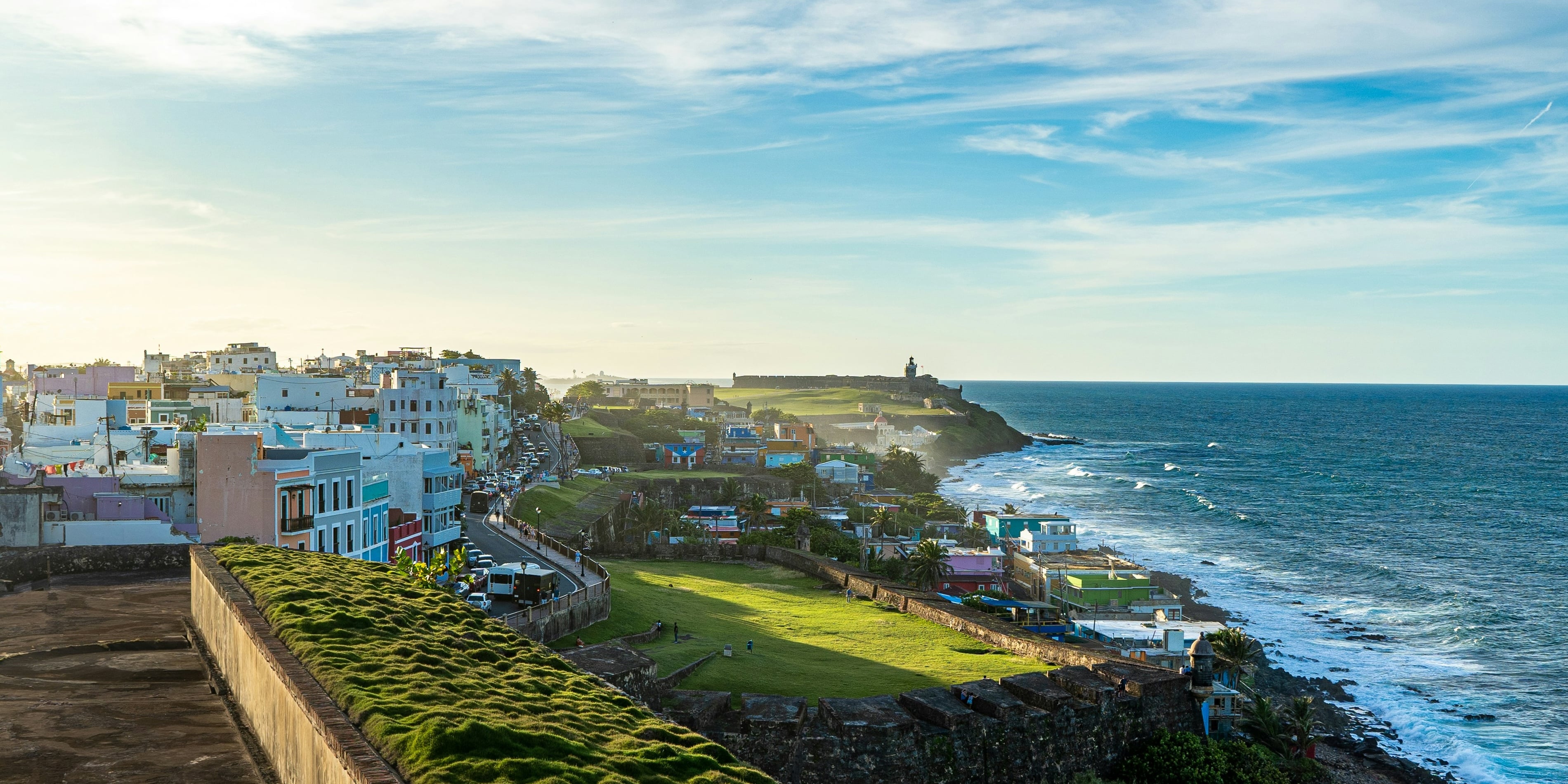
Juana Díaz is a southern Puerto Rico municipality known for traditions, local culture, agriculture, historic community life, and its important connection to Puerto Rico’s Three Kings celebrations. Located near Ponce and other southern towns, Juana Díaz offers visitors a meaningful look at the island’s cultural heritage, rural roots, religious customs, family traditions, and everyday Puerto Rican life. It is a destination where community identity, faith, agriculture, and celebration come together in a way that feels deeply connected to the island’s history.
For travelers who want to experience Puerto Rico beyond beaches and major tourist districts, Juana Díaz provides a quieter but culturally rich stop. The municipality is especially important for visitors interested in local traditions, town plazas, religious celebrations, agriculture, food, and southern Puerto Rico’s regional character. It may not be as large as nearby Ponce, but it has a strong identity that makes it worth exploring.
Three Kings Traditions and Cultural Importance
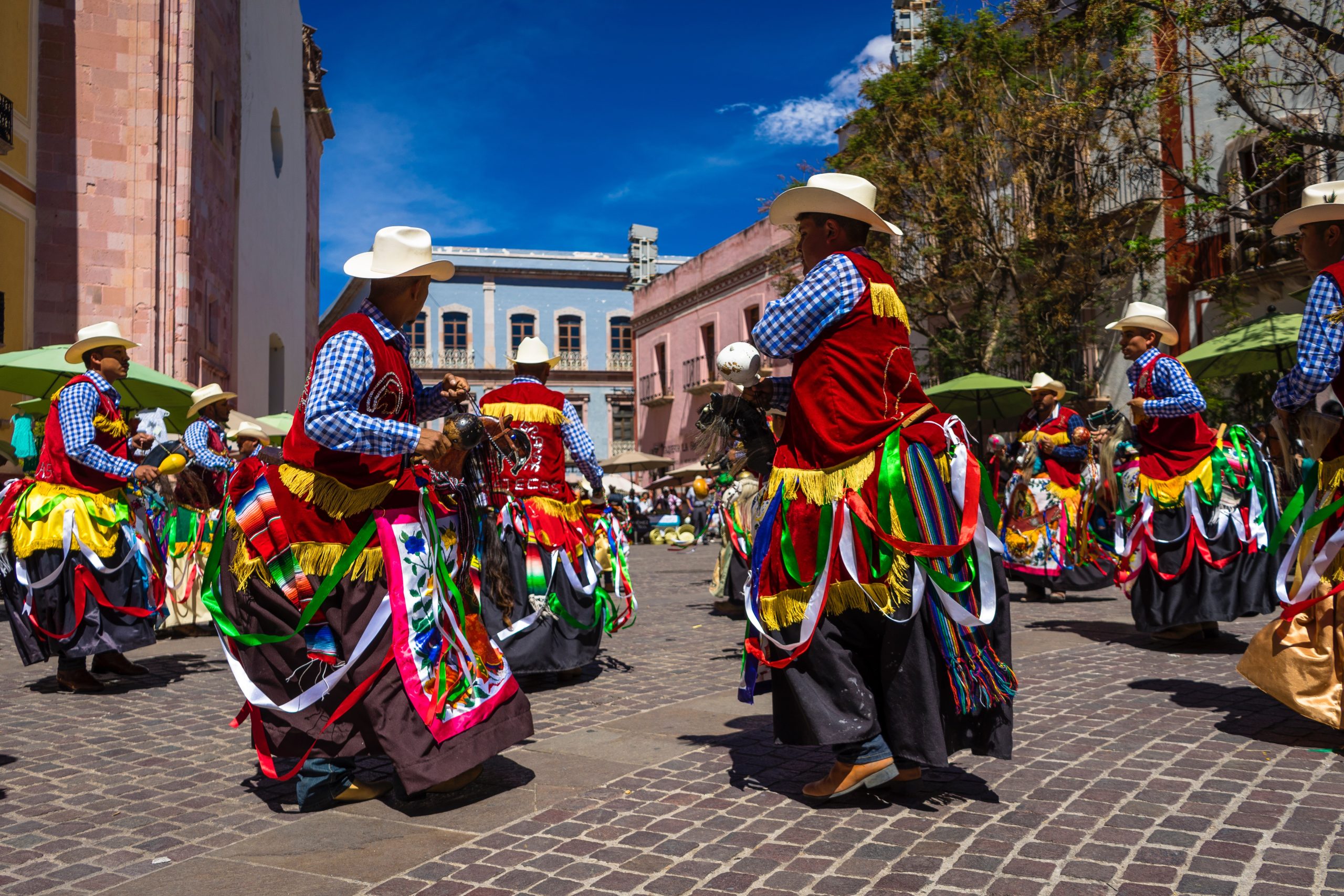
Juana Díaz is strongly associated with Puerto Rico’s Three Kings celebrations, one of the island’s most beloved holiday traditions. The celebration of the Three Kings, or Los Reyes Magos, is deeply meaningful in Puerto Rican culture and is connected to faith, family, music, parades, gifts, community gatherings, and religious devotion. Juana Díaz is one of the places most closely tied to this tradition, making it an important cultural destination during the holiday season.
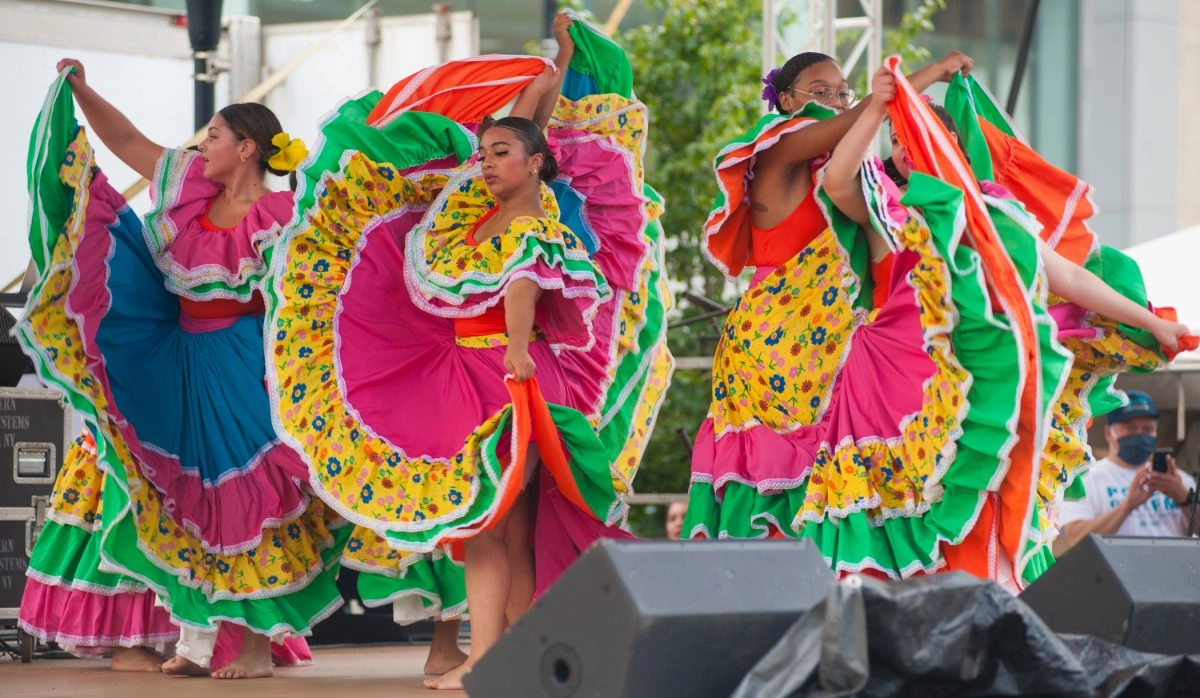
The Three Kings tradition reflects the importance of family and faith in Puerto Rican life. In Juana Díaz, the celebration is more than a seasonal event; it is part of the municipality’s identity. Visitors who experience the town during this time can see how local pride, religious heritage, music, costumes, and community participation help preserve one of Puerto Rico’s most cherished customs.
Local Culture and Community Identity
Juana Díaz has a strong local culture shaped by generations of residents, families, farmers, churches, schools, small businesses, and community organizations. The town’s identity is rooted in tradition and everyday life rather than large-scale tourism. This gives visitors an authentic view of southern Puerto Rico and a chance to experience a municipality that values heritage, family, and community connection.
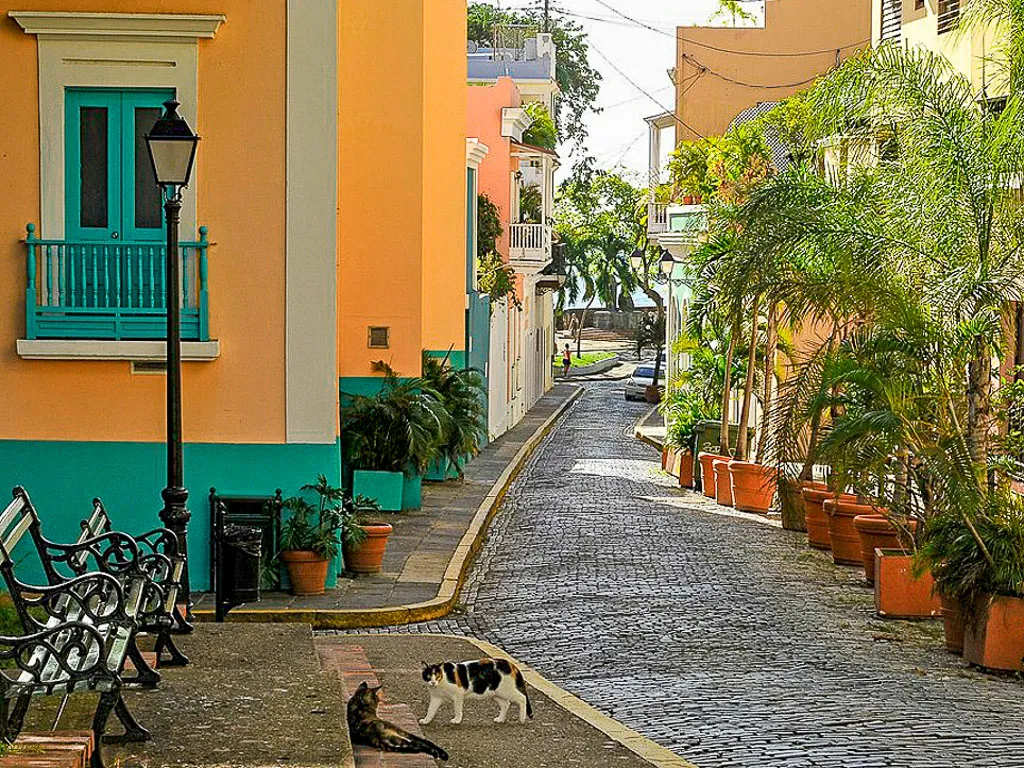
Visitors can experience this culture through the town center, local restaurants, bakeries, plazas, churches, festivals, and neighborhood life. The atmosphere is relaxed and community-centered, making Juana Díaz especially rewarding for travelers who enjoy slower exploration and meaningful local experiences.
Agriculture and Rural Heritage
Agriculture is an important part of Juana Díaz’s history and character. The surrounding region includes farmland, rural landscapes, agricultural activity, and traditional connections to the land. These rural roots help shape the municipality’s economy, culture, food traditions, and sense of place.
For visitors, Juana Díaz offers a reminder that Puerto Rico’s identity is not only coastal or urban. The island’s agricultural communities have played a major role in shaping its food, work, traditions, and family life. Exploring areas connected to farming and rural heritage can give travelers a deeper appreciation for southern Puerto Rico’s landscape and history.
Historic Town Center and Plazas
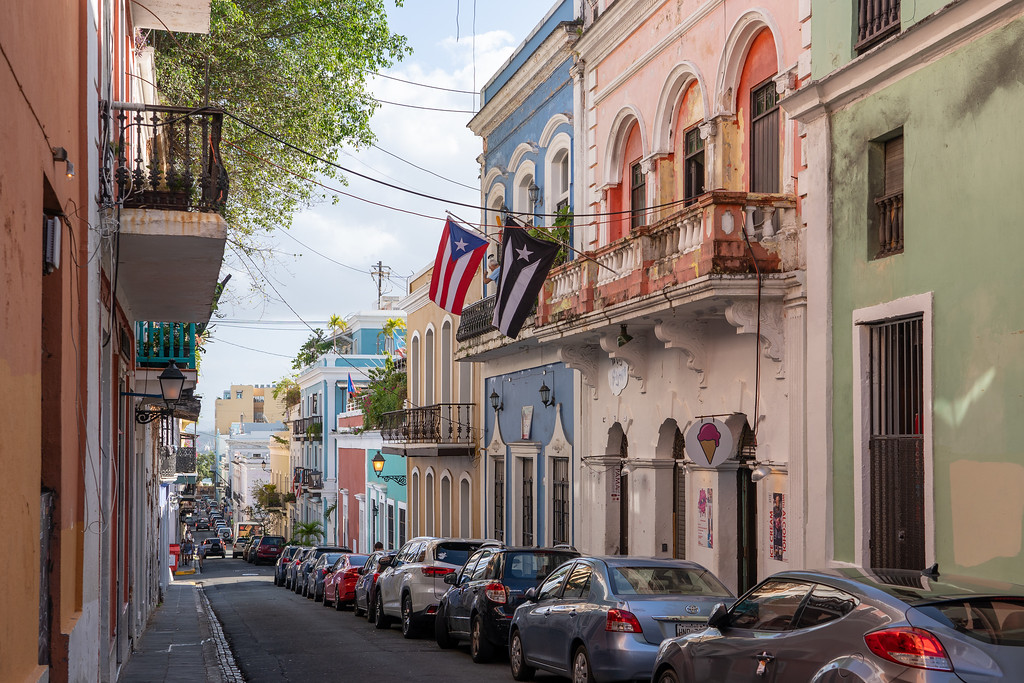
The town center of Juana Díaz provides a good starting point for exploring the municipality. Like many Puerto Rican towns, the central area includes public spaces, churches, civic buildings, small businesses, restaurants, and gathering places that reflect traditional town life. These spaces help connect residents and visitors to the municipality’s history and community rhythm.
Walking around the town center allows visitors to appreciate the slower pace of Juana Díaz. The plaza area can be a place to pause, take photos, visit nearby shops, stop for coffee, or simply observe daily life. This traditional layout gives the town a familiar Puerto Rican character and makes it easy to experience the community at a human scale.
Food, Bakeries, and Local Flavor
Food is an enjoyable part of visiting Juana Díaz. The municipality and surrounding area include Puerto Rican restaurants, bakeries, cafes, roadside food, casual dining, and family-style meals. Visitors can enjoy traditional dishes such as rice and beans, roasted meats, mofongo, fried snacks, plantains, pastries, coffee, sandwiches, soups, and local desserts.
Bakeries and casual restaurants are especially useful for experiencing everyday Puerto Rican flavor. A simple stop for coffee and pastries, lunch near the town center, or a relaxed dinner can become part of the cultural experience. The food in Juana Díaz reflects the warmth, practicality, and family-centered traditions of southern Puerto Rico.
Festivals, Faith, and Community Celebrations
Juana Díaz’s cultural life is closely connected to festivals, religious observances, music, family gatherings, and community events. These celebrations help preserve local traditions and bring residents together throughout the year. The Three Kings celebration is the most famous example, but the town’s cultural calendar also reflects broader Puerto Rican traditions and southern community life.
Visitors who attend local events can experience music, food, faith, public gathering, and local pride in an authentic setting. These celebrations show how culture in Juana Díaz is lived and shared, not simply displayed. They also help visitors understand the importance of community participation in Puerto Rican towns.
Southern Puerto Rico Location
Juana Díaz is well positioned for exploring southern Puerto Rico. Its location near Ponce, Coamo, Santa Isabel, Villalba, and other municipalities makes it easy to include in a regional itinerary. Travelers can combine Juana Díaz with historic architecture in Ponce, coastal scenery in nearby southern towns, mountain routes, local restaurants, and cultural stops throughout the region.
This location makes Juana Díaz a practical stop for visitors who want to understand the south beyond one major city. The municipality provides a quieter cultural experience that pairs well with larger attractions nearby.
Scenic Surroundings and Local Routes
The surrounding area includes rural roads, agricultural landscapes, mountain views in the distance, and southern Puerto Rico scenery. Visitors who enjoy road trips can appreciate the transition between town center, countryside, and nearby communities. The landscape reflects the municipality’s connection to agriculture and regional heritage.
Driving through and around Juana Díaz can give travelers a sense of the area’s pace and character. It is a place where the land, traditions, and community remain closely connected. This makes even a simple route through the municipality feel meaningful for visitors who enjoy observing local life.
Things to Do in Juana Díaz
A visit to Juana Díaz can include exploring the town center, learning about Three Kings traditions, visiting local churches or public spaces, enjoying coffee and pastries, eating at a local restaurant, attending a festival when available, taking scenic drives through nearby agricultural areas, and including the town as part of a southern Puerto Rico itinerary.
The municipality is best experienced at a slower pace. Rather than rushing through, visitors can take time to appreciate its traditions, local businesses, community atmosphere, and connection to Puerto Rican heritage. Juana Díaz is especially appealing for travelers who value culture, faith traditions, food, and authentic town life.
Why Visit Juana Díaz?
Juana Díaz is worth visiting because it offers a meaningful connection to Puerto Rico’s traditions, agriculture, local culture, and Three Kings celebrations. It gives travelers a deeper understanding of the island’s southern region and shows how faith, family, community, and heritage continue to shape Puerto Rican life.
For visitors interested in traditions, local culture, agriculture, religious celebrations, town plazas, Puerto Rican food, and southern heritage, Juana Díaz is a rewarding destination. It provides a calm, authentic, and culturally important experience that highlights one of Puerto Rico’s most cherished community traditions.